dailynewsnblog
An overhaul of the General Medical Council is expected to lead to more doctors that face accusations of racism and antisemitism on social media being struck off.
The Department of Health and Social Care (DHSC) has launched a consultation on changes to the legislation governing the regulation of doctors, saying the move will lead to the biggest reform of the medical regulator, the GMC, in four decades.
However, the line when it comes to the expression of anti-Zionist and pro-Palestinian views is expected to be a continuing point of contention.
Doctors facing disciplinary proceedings over wearing symbols and over social media posts have been bringing lawsuits against hospital trusts over the last year, arguing that their beliefs are protected under the Equality Act 2010.
The DHSC says there have been “too many” recent examples of doctors using racist and antisemitic language, particularly on social media, without swift action.
Recommendations from the Labour peer John Mann, who was commissioned to perform a rapid review of antisemitism and other forms of racism in the health service in November, are expected to follow imminently.
Mann has described the current system as “too slow and too cumbersome”.
Ministers plan to consult on the first recommendations from the review, including giving the GMC new powers to challenge interim decisions of the Medical Practitioners Tribunal Service (MPTS), which makes decisions on the cases the GMC prosecutes.
Meanwhile, the Professional Standards Authority, the body that oversees all health regulators, will also be given greater powers to scrutinise and challenge decisions.
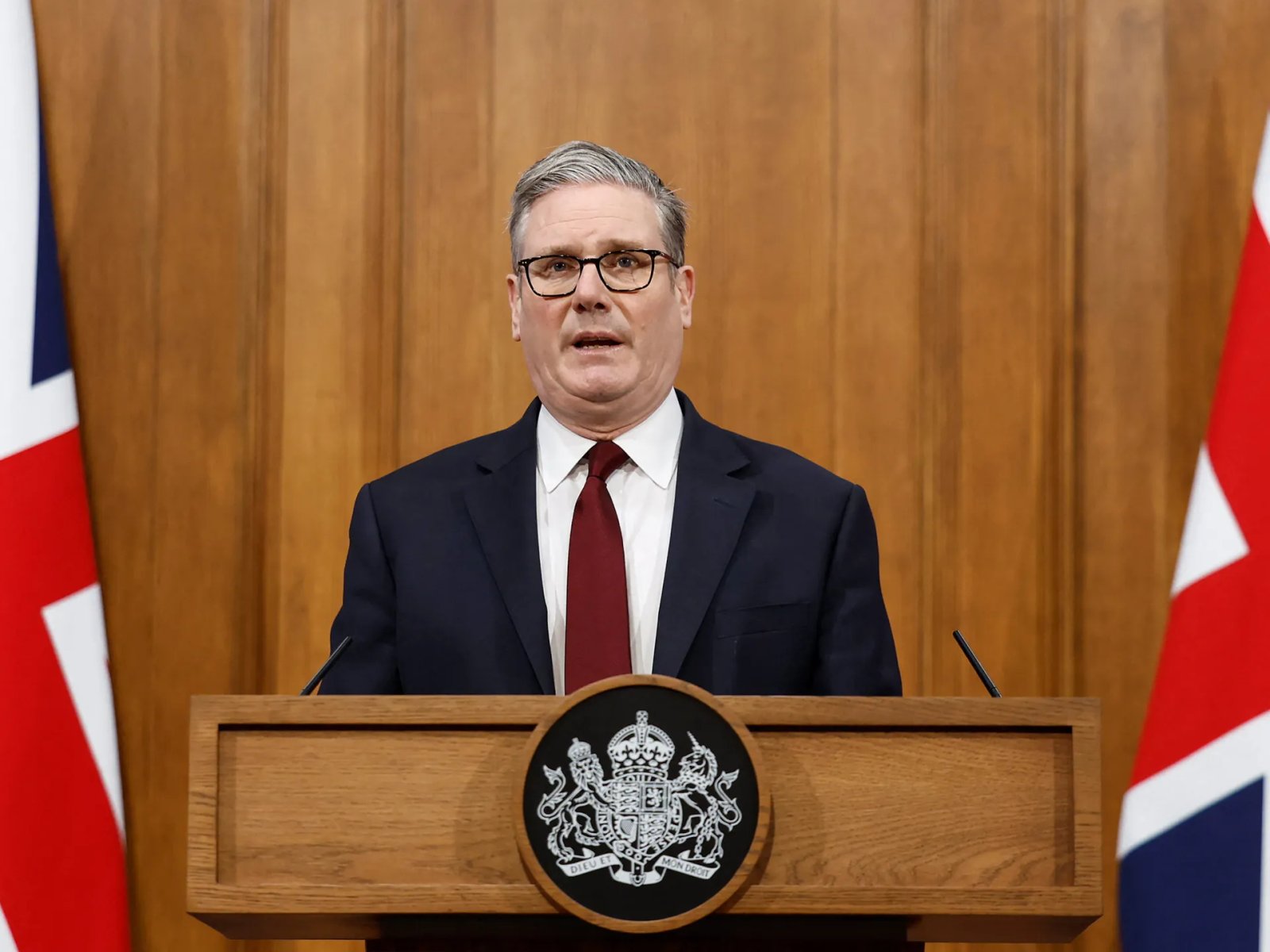
The health secretary, Wes Streeting, said: “The NHS is a universal health service, which means that everyone, regardless of race, religion or belief should feel safe seeking its care.
“It is unacceptable that this is not the current reality for many patients and staff, and I will not allow it to continue.”
Mann said: “Racism, including anti-Jewish racism, has no place in the health sector or our NHS, and those who engage in it should face swift and meaningful consequences.”
The GMC’s chief executive and registrar, Charlie Massey, said: “These proposed reforms will allow us to respond more quickly and flexibly when patient safety is at risk.
“They will also allow us to further improve our efficiency and effectiveness, while at the same time enabling us to help patients navigate the complaints and concerns process more easily.
“This is an important and long-awaited step towards a more responsive and compassionate approach to healthcare regulation.”