dailynewsnblog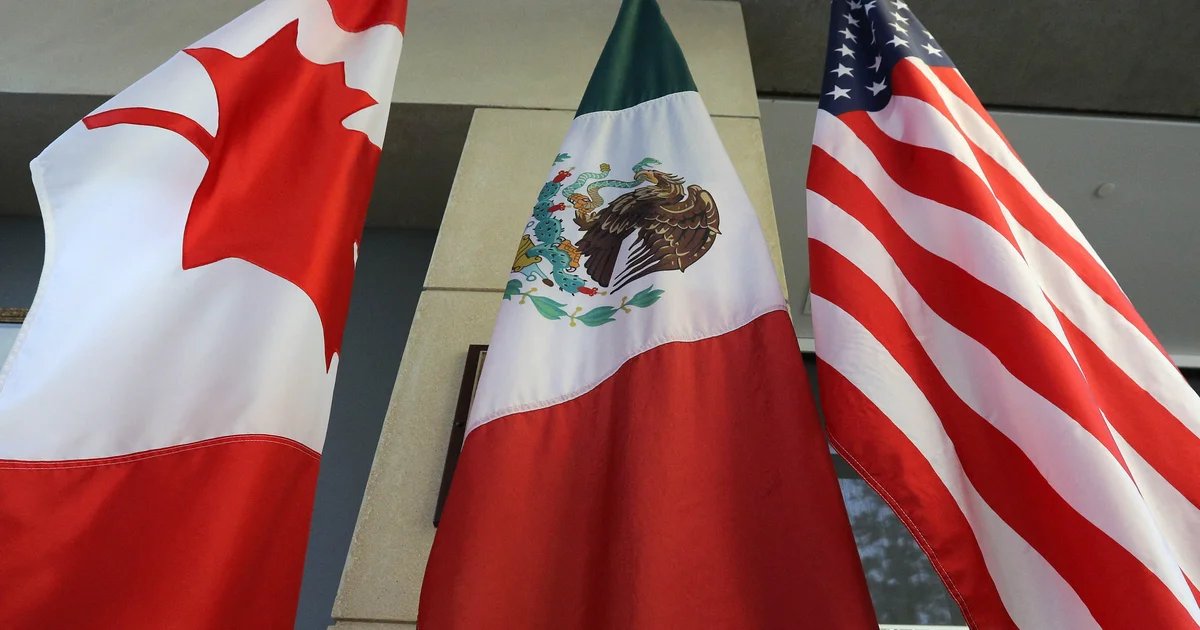
The U.S. has decided not to extend a key trade pact with Canada and Mexico, according to the Office of the United States Trade Representative.
July 1 was the deadline for the three countries to decide whether to extend the United States-Mexico-Canada Agreement, or USMCA, until 2042. The Trump administration’s decision means the USMCA remains in effect and subject to annual reviews for 10 years, until it expires in 2036, unless another agreement is reached to extend it.
“The United States will continue to engage with Mexico and Canada to address the agreement’s shortcomings and our trade deficits with these countries,” U.S. Trade Representative Jamieson Greer said in a statement. “However, the agreement remains in force pending resolution of these issues or until the agreement’s termination.”
President Trump signed the USMCA into law in 2020, replacing the 1994 North American Free Trade Agreement.
The USMCA lowered trade barriers among the U.S., Mexico and Canada, aiming to create jobs for American workers and energize the country’s manufacturing sector.
At an event in Michigan in 2020, Mr. Trump described the pact as the “fairest, most balanced and beneficial trade agreement we have ever signed into law.” But he has since soured on the deal. Speaking to reporters in June, Mr. Trump said the U.S. would “do better as a country” without the agreement.
The Office of the U.S. Trade Representative said the U.S. is scheduled to meet with Mexico the week of July 20 for another round of bilateral negotiations.
The impact of a U.S. withdrawal from the USMCA would depend on whether any bilateral trade agreements replaced the pact, according to trade experts.
“Absent bilateral deals, growth would slow in both Canada and Mexico as the tariff exemption which has kept both countries’ external sectors afloat over the past year was removed,” economists with investment advisory firm Capital Economics said in a report.
“But given the average tariff rate would only rise to 10%, rather than the much higher rates previously threatened under IEEPA, recessions could be avoided,” they added, referring to the International Emergency Economic Powers Act.