dailynewsnblog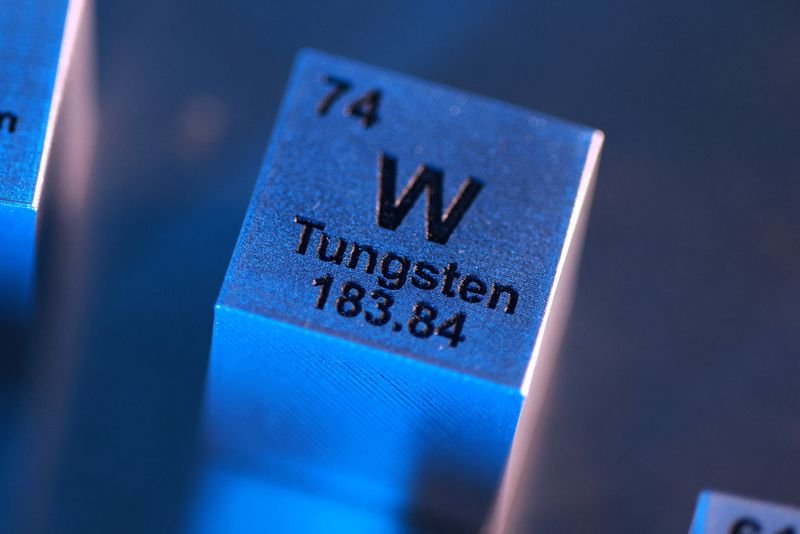
By Anushree Mukherjee
May 18 (Reuters) – U.S. drill bit manufacturers are shifting to steel-based products to cut costs as tungsten prices surge due to trade restrictions and tighter supplies.
North American producers are expected to ramp up drilling as disruptions to Middle Eastern oil supplies keep crude above $100 a barrel. But higher drill bit and equipment costs are raising the price of new wells, potentially slowing output growth at a time when global markets are counting on more U.S. supply.
Drill bits, the cutting tools used to bore oil and gas wells, come in several types. Polycrystalline diamond compact (PDC) bits are typically made with either steel bodies or tungsten-heavy designs suited to tougher conditions. Tungsten is more durable and can account for up to 75% of materials in some oilfield drill bits.
Prices for tungsten have jumped to about $3,000 per metric ton from around $600 in October following Chinese export curbs, supply tightening and stronger military demand. In response, manufacturers are increasing production of steel-body drill bits to contain costs.
“Drill bits account for a small share of total well costs, but it’s very critical for drilling the well,” said Richard Spears, vice president at Spears & Associates.
Oil and gas companies spent roughly $3.4 billion on drill bits last year, and rising tungsten costs could add about $1 billion to industry spending this year, Spears said.
“Drill bit prices could fall by roughly 25% if manufacturers were able to shift more production from tungsten-heavy matrix-body PDC bits to steel-body designs,” Spears added.
Average-sized, tungsten-heavy PDC drill bits have risen 20% to 38% over the past seven months, said Jayme Sperring, chief commercial officer at Varel Energy Solutions.
Varel has shifted about 15% to 20% of its global production toward steel-body designs in recent months to limit inflationary pressures for customers, Sperring said.
At Ulterra Drilling Technologies, overall manufacturing costs for drill bits have climbed 45% to 50% over the past year, said Brian Hilburn, vice president of supply chain at Ulterra. Production has moved from a roughly even split between steel and tungsten-heavy bits to about 65% to 70% steel, he added.
TRADEOFFS
The shift has limits. Steel-body drill bits use less tungsten, but tungsten-heavy bits are generally more durable and perform better in harder, more abrasive conditions.
“There are going to be tradeoffs between durability and cost,” said Mark Chapman, principal analyst at Enverus Intelligence Research.