dailynewsnblog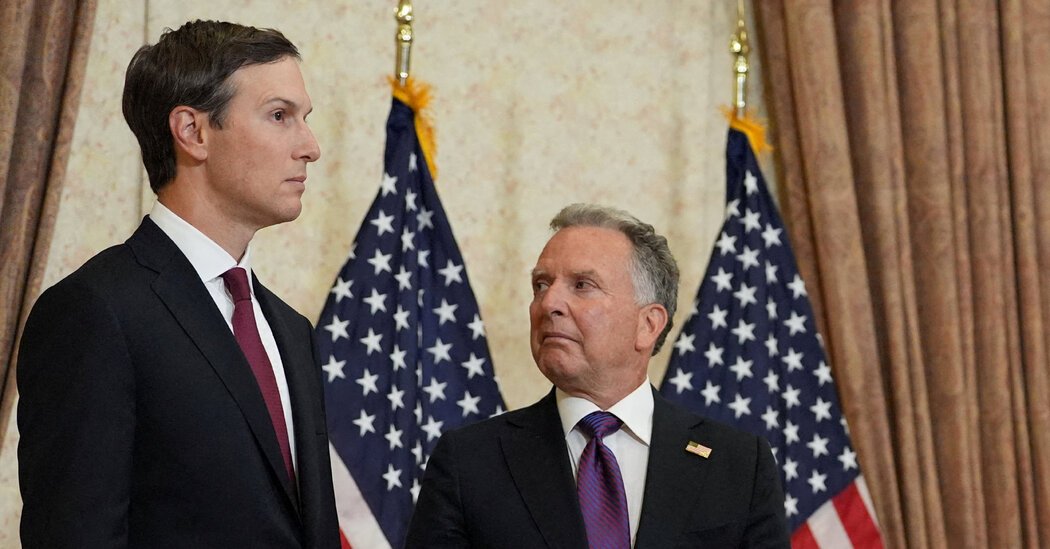
After Iran and the United States traded a series of attacks across the Persian Gulf over the past week, the two sides appear to be turning back to diplomacy to try to stave off further escalation.
Attention has now shifted to Doha, the Qatari capital, where American and Iranian negotiators are set to hold indirect talks via mediators on Wednesday. Oil prices have fallen and ship traffic has risen in the Strait of Hormuz, a critical waterway for oil exports, on hopes that negotiations could lead to a more enduring cease-fire.
The recent upsurge of violence was the most serious test yet of a preliminary U.S.-Iran agreement signed last month, which halted the war but deferred discussions about many of the thorniest issues.
The deal, which gave the two countries 60 days to negotiate a comprehensive agreement, has left much unresolved, particularly around the Strait of Hormuz, where a standoff over commercial shipping rapidly escalated into the recent military confrontation.
Here’s what to know.
Diplomacy has resumed — but indirectly.
Direct talks between top U.S. and Iranian officials took place in Switzerland last week, but no face-to-face or high-level meetings are expected this week in Qatar. Instead, the two sides were expected to hold indirect talks via Pakistani and Qatari mediators on Wednesday, according to a U.S. official.
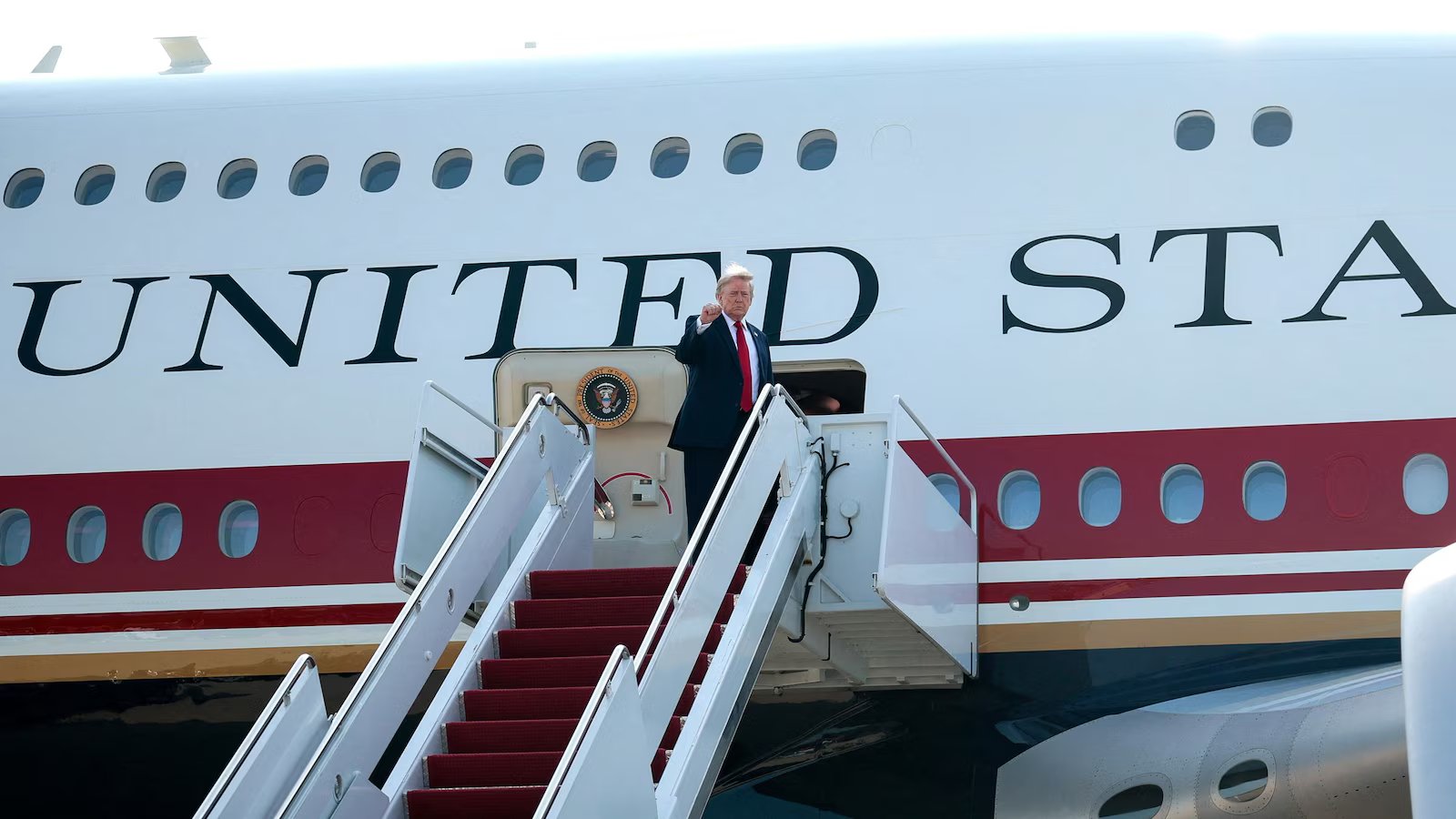
President Trump expressed optimism about the talks on Wednesday, though he offered no specifics. “They’ve had very good meetings, and we’ll see,” he told reporters at Joint Base Andrews in Maryland.
Iran’s deputy foreign minister, Kazem Gharibabadi, met Qatar’s prime minister, Sheikh Mohammed bin Abdulrahman Al Thani, on Wednesday, according to Iranian state media. Officials from Iran, Qatar and Pakistan then held a trilateral meeting to “review progress” in carrying out the U.S.-Iran agreement, according to IRNA, Iran’s state news agency.
Steve Witkoff and Jared Kushner, two of Mr. Trump’s closest advisers, met Sheikh Mohammed on Tuesday, as well as Qatar’s emir, Sheikh Tamim bin Hamad Al Thani, on Wednesday. According to Qatari statements, the meetings focused on the preliminary U.S.-Iran agreement, progress in the negotiating process and broader efforts to promote regional security.
The Iranian Foreign Ministry said this week that its delegation’s meeting with mediators in Qatar would focus on carrying out the terms of the preliminary agreement, including the release of frozen Iranian assets held overseas. Tehran has insisted that no meeting with American officials had been scheduled “at any level.”
The lack of face-to-face talks underscores the distrust that remains between the two sides, and their conflicting interpretations of what was agreed to last month.
Tensions remain over the Strait of Hormuz.
Traffic through the strait has rebounded in recent days, but the dispute that set off the fighting is not resolved, leaving shipping vulnerable to another flare-up.
The United States says the preliminary agreement should restore unrestricted commercial navigation through the waterway. Iran, however, claims it has authority over how ships move through it, including which routes they use, and it has threatened vessels that do not follow its instructions.
Iran and Oman are also moving forward with plans to collect payment for ships transiting the Strait of Hormuz, despite public American objections, according to an Iranian official and four diplomats with knowledge of the matter.
Since the preliminary agreement was reached, the estimated flow of oil being shipped through the strait has risen to nearly 80 percent of the typical prewar volume, according to Goldman Sachs. But only 34 ships passed through on Tuesday, according to Kpler, a maritime tracking firm, still well below the prewar average of more than 100 ships per day.
Oil prices have eased, but the shock lingers.
Brent crude, the global benchmark for oil, fell roughly 1 percent on Wednesday to about $72 a barrel, close to where it was before the war.
The effects of the energy shock can still be felt, however, with the average price of gasoline in the United States at $3.85 a gallon on Wednesday, according to the AAA motor club, nearly 30 percent higher than before the war.
Stocks slipped.
The S&P 500 fell 0.5 percent at the start of trading on Wednesday, the day after the index closed out its strongest quarterly return in six years. In Europe, the Stoxx 600 index fell 0.6 percent.
Markets have largely shrugged off the sporadic strikes between Iran and the United States in recent weeks, with investors instead buoyed by robust corporate earnings driven by the build-out of artificial intelligence infrastructure.
Jenny Gross, Joe Rennison and Ismaeel Naar contributed reporting.