dailynewsnblog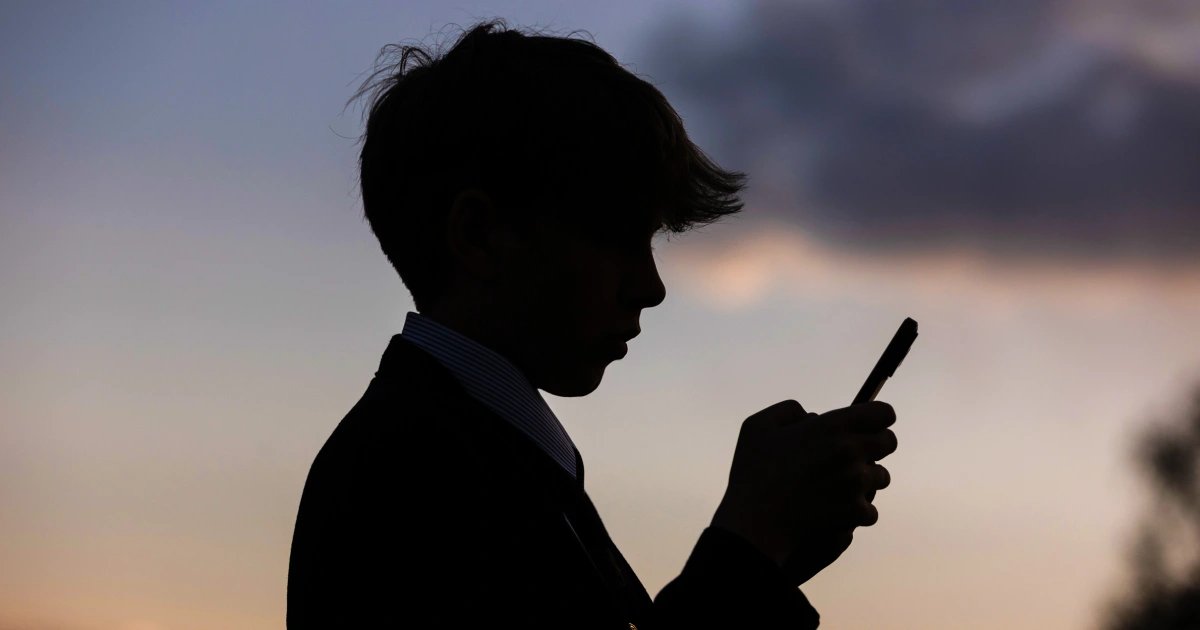
A sweeping social media ban for kids under 16 in the United Kingdom is drawing concern from privacy advocates who say such measures will chill free speech online.
Subscribe to read this story ad-free
Get unlimited access to ad-free articles and exclusive content.

The ban, announced Monday and expected to take full effect next spring, will require all users — not just the minors targeted — to go through age checks in order to access social media sites.
These requirements, carried out via government IDs, credit cards or face scans, will apply to social platforms like Snapchat, TikTok, YouTube, Instagram, Facebook and X, but not messaging services like WhatsApp and Signal.
The measure is part of a growing wave of legislation seeking to protect children from harmful content and possible child predators online. The push in the U.K. gained momentum after Australia became the first country to implement a law barring children under 16 from accessing major social media platforms.
“Social media is making our children unhappy and unsafe,” Prime Minister Keir Starmer said in a video shared Monday on social media. “And as a parent as much as a prime minister, I just can’t let that go on anymore, because our children deserve better.”
News of the ban has faced the expected backlash from social media companies and tech moguls, who now face additional pressure to figure out how to restrict their products from kids. X owner Elon Musk was quick to call the law “a wolf in sheep’s clothing.”
“The real goal is to enable the UK government to track everyone,” Musk wrote on X Monday.
YouTube, one of the biggest online platforms used by kids, told NBC News in a statement that a blanket social media restriction could “push kids out of such curated, supervised, beneficial experiences and towards anonymous, less-safe services.”
But everyday internet users, as well as digital rights and free speech advocates, have also expressed concern, saying that such legislation will erode privacy and anonymity for more than just children on the internet.
00:28
U.K. announces social media ban for under-16s
00:0000:00
“yeah so this is a social media ban for everyone in the uk btw,” one social media user posted in response to the news. “unless you want to hand a copy of your personal identification to the company behind every app you use.”
As other countries around the world, including Canada and France, pursue similar legislation to ban social media for children, some are growing increasingly suspicious of their intent.
Glenn Greenwald, co-founder of the nonprofit news organization The Intercept and a former constitutional lawyer, called age-gating laws “manipulative.”
“The defense of these laws is emotionally powerful by appealing to child protection,” Greenwald wrote on X, “but the real goal is online surveillance, an end to anonymity, and control over political content that young people can access.”
Rather than genuinely protecting children, some social media users argue that such measures would more likely “force you to tie your passport to your social media so that they can arrest you for mean tweets.”
In order for the ban to be implemented, all users must prove their age, many pointed out. Mandatory age verification, which requires websites and apps to confirm or estimate users’ ages before they grant access to certain content, has been gaining global traction in recent years.
In the United States, a bipartisan bill called Kids Internet and Digital Safety Act, introduced in March, would similarly require platforms to deploy age verification measures to identify minors in some cases.
Many states have already passed age verification laws for certain types of online content, and some U.S. politicians continue to push for more. Sen. Brian Schatz, D-Hawaii, who introduced a bill last year to prohibit kids under 13 from accessing social media platforms, called on federal lawmakers to pass his bipartisan Kids Off Social Media Act.
“The UK is the latest example of a country stepping up to protect kids online,” Schatz said in a statement. “More and more governments are recognizing that addictive social media platforms are causing real harm to kids. Parents are asking for help, and lawmakers should listen.”
And as hundreds of pending lawsuits accuse social platforms of failing to protect children from mental health harms and online predators, companies have faced increasing pressure to age-gate their products even in places that haven’t yet implemented any age assurance law.
But some digital rights advocacy groups also worry that such restrictions could suppress certain types of speech, including whistleblower reports, because internet users will worry their identities are tied to their accounts. Though many social platforms partner with companies that claim to delete user data after collection, some users find it hard to trust such claims in light of past data breaches that have indicated otherwise.
In the U.K., the civil liberties organization Big Brother Watch has been among the advocates vocally opposing Starmer’s new mandate.
“There’s no such thing as a social media ban for under-16s,” the group posted on social media Tuesday. “It means we will ALL face a ‘papers, please’ demand to get online.”