dailynewsnblog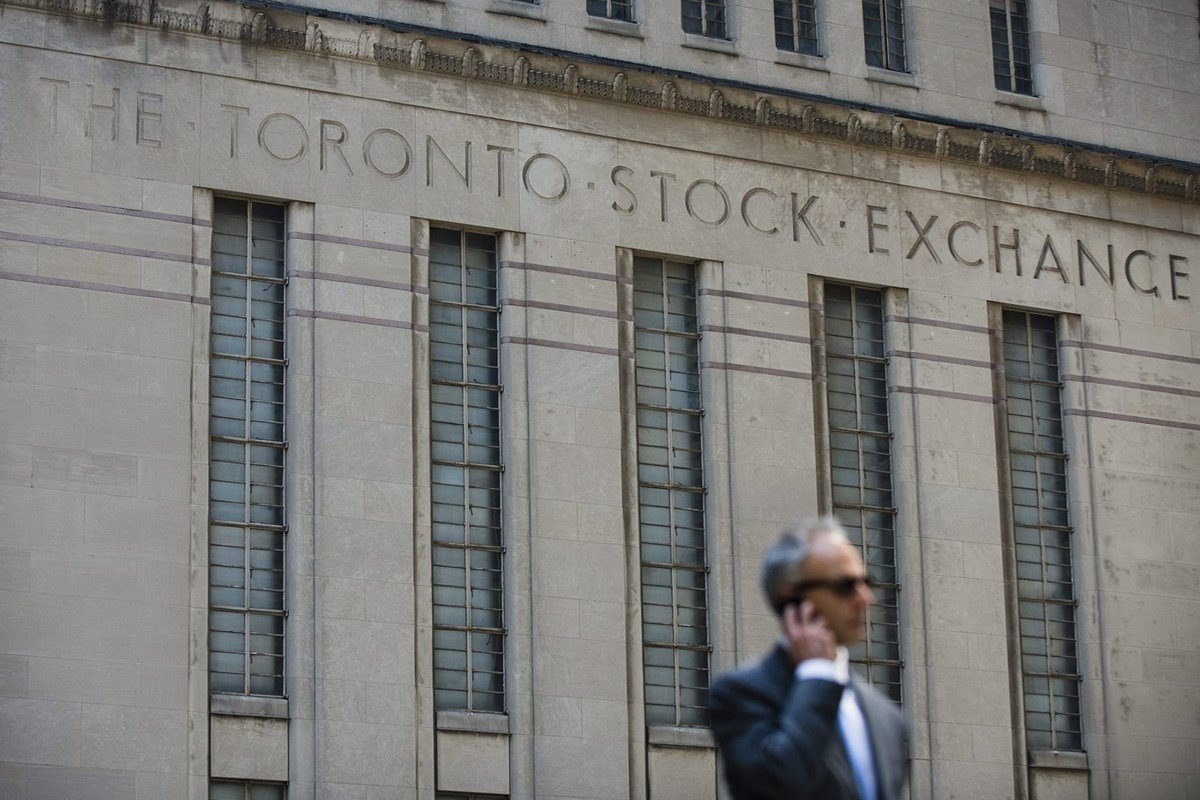

TORONTO — Commodities stocks weighed on Canada’s benchmark index, while tech stocks south of the border pulled Wall Street lower.
TORONTO — Commodities stocks weighed on Canada’s benchmark index, while tech stocks south of the border pulled Wall Street lower.
“It’s not any new concept to investors that the magnificent seven and the mega-cap tech stocks have really been big contributors toward return, both good and bad,” said Kim Inglis, senior portfolio manager at Raymond James.
She said the performance of that group of stocks often dictates the direction of the U.S. market, “and that’s just purely because of their overall concentration in the index.”
In New York, the Dow Jones industrial average was up 182.06 points at 51,848.90. The S&P 500 index was down 7.24 points at 7,358.22, while the Nasdaq composite was down 110.40 points at 25,476.64.
Declines for several influential tech heavyweights pulled the broader market lower even though most stocks in the S&P 500 gained ground.
A 2.3 per cent drop in Microsoft was the heaviest weight on the market. Oracle slumped 4.7 per cent.
Many large tech companies have been behind Wall Street’s record-setting run throughout the year, but analysts have warned their valuations may have become stretched.
Meanwhile, basic materials and energy stocks led the TSX lower on Wednesday. The S&P/TSX composite index was down 191.29 points at 34,736.09.
Similar to the U.S. market, which has a high concentration of technology stocks, Canada’s main stock index is also highly concentrated, but in different areas.
“While it might not be mega-cap tech stocks here, basically Canada is comprised of financials, energy and materials, so anything moving those is going to drive the TSX,” she said.
Oil prices continued slipping as the U.S. and Iran negotiate a possible end to their war. Brent crude, the international standard, fell 3.8 per cent to US$73.87 per barrel.
The August crude oil contract was down US$2.87 at US$70.34 per barrel.
Inglis said the situation in the Middle East is helping to bring oil prices “down to earth a bit more,” and that lower energy prices can help ease inflationary pressures for consumers.
The August gold contract was down US$140.60 at US$4,008.80 an ounce.
Gold was above US$5,000 an ounce earlier in the year. The precious metal is often seen as a barometer of the appetite for risk among investors, with more buying at times of increased anxiety and more selling as anxiety eases.
Inglis said generally that volatility in the markets shouldn’t be a surprise given the time of year.
“From a seasonal perspective, we do tend to see lower trading volumes happen during this time year … lower trading volumes can mean that we see a bit higher volatility,” she said.
The Canadian dollar traded for 70.25 cents US compared with 70.42 cents US on Tuesday.
This report by The Canadian Press was first published June 24, 2026.
— With files from The Associated Press
Companies in this story: (TSX:GSPTSE, TSX:CADUSD)
Daniel Johnson, The Canadian Press