dailynewsnblog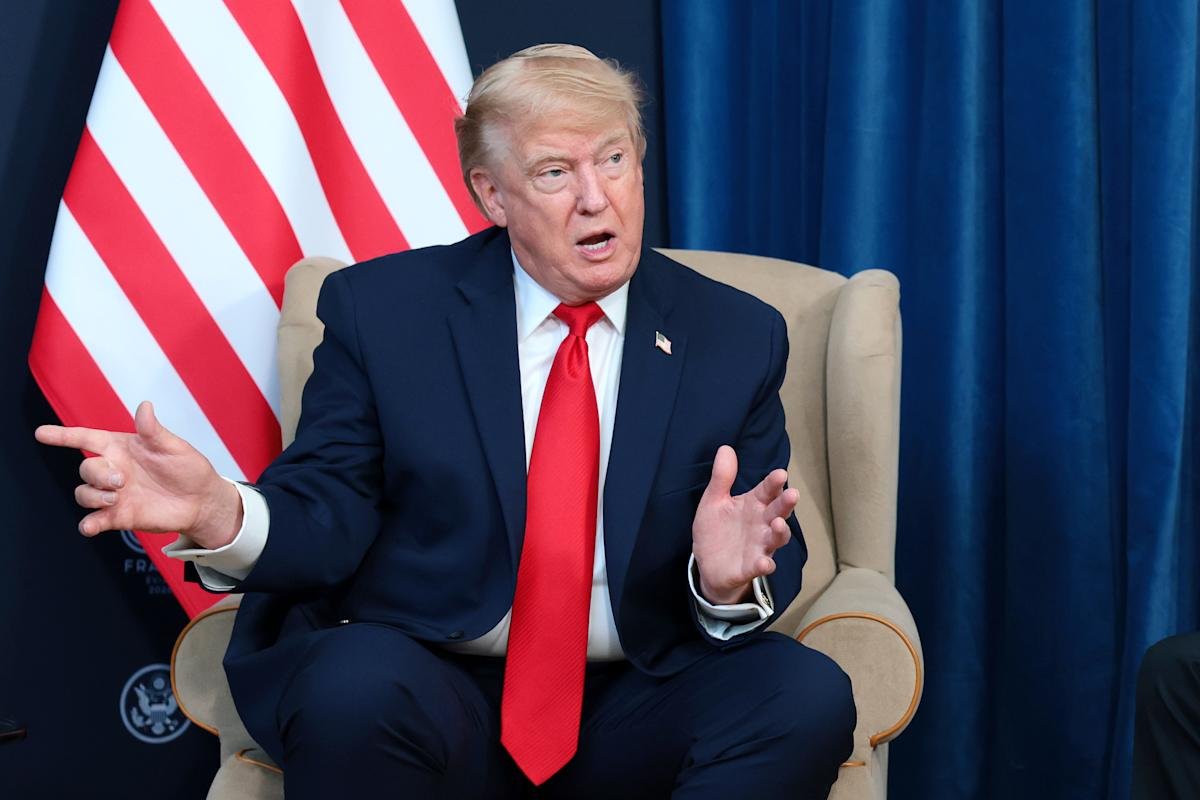
President Trump and his team have offered optimistic assessments of when the Strait of Hormuz — scheduled to be demined and fully reopened by Friday — will return to prewar levels of shipping traffic.
“The strait is already partially opened,” the president even said on Monday in France, adding on Tuesday that “ships are starting to move.” A senior US official also said this week that a return to prewar traffic will return “definitely within 30 days.”
But many shipping analysts expect shipping traffic to resume at a much slower pace and question whether any surge will be durable.

Trade data firm Kpler offered in a research note on Monday that shipping traffic is likely to reach about 40% of prewar levels within a month, “held back by unresolved questions on mining, Iranian control of passage.”
The group doesn’t expect full normalization until “well into 2027.”
The group’s analysts expect to see 40 or so ships making passage per day in about four weeks’ time, in contrast to about 100 daily transits before the war began on Feb. 28. About one-fifth of the globe’s oil passed through the strait before the war.
“We’re not looking at an immediate return to normal,” added Mona Yacoubian of the Center for Strategic and International Studies in an appearance this week on Yahoo Finance. “We are in a new normal.”
Read more: How oil price shocks ripple through your wallet, from gas to groceries
Questions about durability
The Kpler analysis also raised questions about the sustainability of traffic, describing the initial moves likely to be made by ships that have been trapped for months.
Those vessels are likely to “flush out,” assessed the 12 Kpler analysts who authored the report, “without lifting underlying throughput.”
Niels Rasmussen, chief shipping analyst at international shipping association BIMCO, said in a statement Monday that about 600 ships remain trapped.
“We expect it will take several weeks for all ships to leave the Persian Gulf,” he said.

The key question is whether a significant number of ships will then seek to enter the Persian Gulf, given that the current deal between the US and Iran expires after 60 days and Iran has promised to charge tolls at that time.
The Trump team has rejected the idea and said they are aiming for the strait to be permanently toll-free, but acknowledged that it will be part of the negotiations to come.
“A reopening will probably result in tankers still trapped in the Gulf exiting the Strait as soon as possible,” analysts at Capital Economics wrote on Monday. “But it is unclear how quickly tankers will enter the Strait of Hormuz to collect oil and [liquid natural gas].”