dailynewsnblog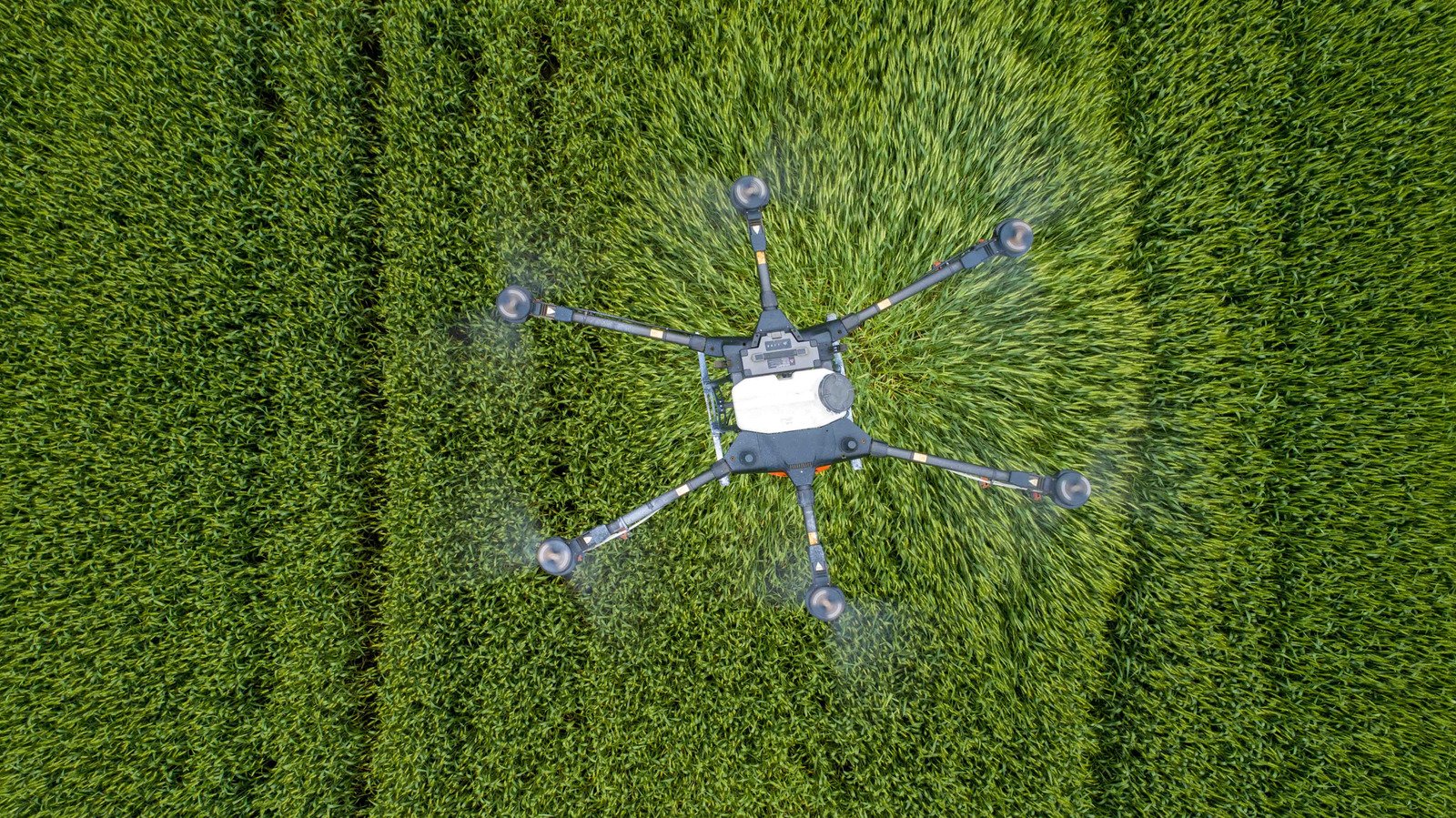
The move will force operators to find other suppliers or settle for models with lesser capabilities.
President Trump has imposed tariffs up to 100 percent on drones that are “particularly sensitive” for national security, the White House announced. The move will force operators to find other suppliers or settle for models with lesser capabilities than the Chinese drones that dominate the market in the US.
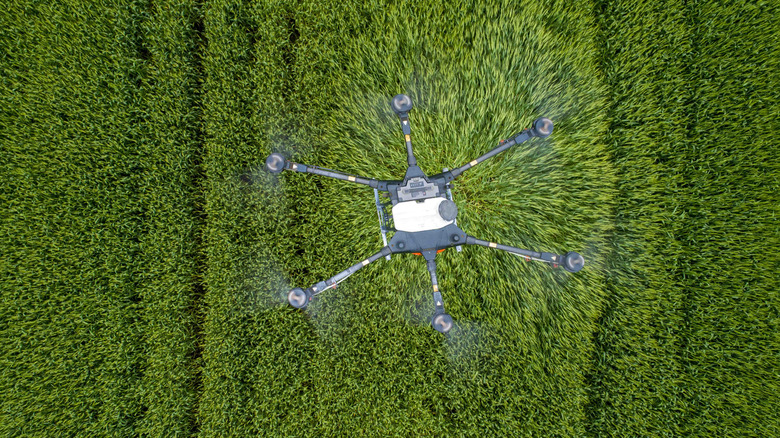
The White House will impose a 100 percent tariff on drones over 25kg (55 pounds), or those equipped with docking stations or thermal imaging capabilities. Those include commercial models from DJI and others used for operations like power line inspection, crop spraying and search and rescue. Drones under 25kg will be hit with a 25 percent tariff, and a 15 percent levy will be applied to models from the EU, Japan, Korea, Switzerland and Taiwan, provided their components are primarily made in those countries. UK drones will see a 10 percent tariff hit.
The aim with the tariffs, the White House stated, was to strengthen national security and encourage “on-shoring” of drone components. To the latter end, the government is creating incentive programs for US companies that make new investments in the manufacturing drones and drone components. The move will also close a loophole that allowed companies to buy components from China and assemble them in the US, an expert told The Financial Post.
The new White House tariffs follow a recent FCC move to ban sales of LiDAR-equipped drones it had previously approved, including models from DJI currently available in the US. The new tariffs appear unrelated to a current US ban on new DJI drones, cameras, microphones and other consumer products.
As with the manufacturing of smartphones and other high-tech products, China is leaps ahead of the US and any other country when it comes to drones. DJI’s models, for example, are so technologically superior to any other brand that they’re virtually irreplaceable in the market. They can’t easily be built in the US for the same reason smartphones can’t: America lacks the localized supply chains, specialized factories, unique engineering knowledge and large-scale skilled labor pools found in China.