dailynewsnblog
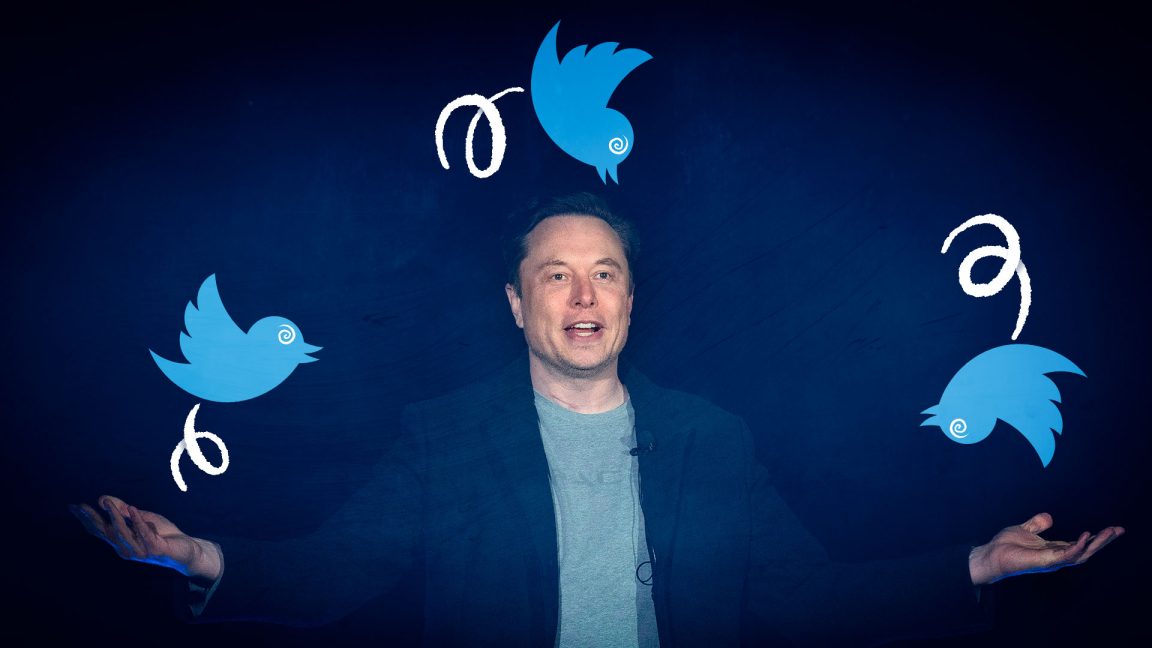
Under a proposed order filed by the SEC yesterday, the Elon Musk Revocable Trust would be “permanently restrained and enjoined from violating” Section 13(d), and the trust would be ordered to pay the fine to the SEC. The trust did not admit or deny the SEC’s allegations, court filings said.
Musk lawyer Alex Spiro “said in a written statement that regulators had only fined the trust while dismissing the claims against Musk personally,” according to The Wall Street Journal.
“Mr. Musk has now been cleared of all issues related to the late filing of forms in the Twitter acquisition, as we said from the outset he would be,” Spiro said. “A trust vehicle has agreed to a small fine for being late on one filing.”
Jury found Musk liable for false statements
US District Judge Sparkle Sooknanan rejected Musk’s motion to dismiss the case in February 2026.
“In his motion, Mr. Musk does not dispute that the Complaint adequately alleges that he disregarded the disclosure requirements of Section 13(d),” Sooknanan wrote. “Rather, he attacks the constitutionality of those requirements. He argues that Section 13(d) cannot be enforced against him because it burdens his constitutional rights under the First Amendment by forcing him to speak against his will; that Section 13(d) is unconstitutionally vague; that the SEC is selectively enforcing Section 13(d) against him; and that the SEC Commissioners are insulated by unconstitutional protections from removal. A straightforward application of the law reveals that none of these arguments warrant dismissal of this lawsuit.”
In a separate case related to Musk’s purchase of Twitter, a federal jury found that Musk is liable for making false statements about the number of bot and spam accounts on Twitter. Musk made the claims while trying to back out of his deal to buy the social network. The class action lawsuit alleged that Musk’s false statements caused them to sell at artificially low prices.
“Damages have yet to be calculated but Francis Bottini, a lawyer for the shareholders, estimated they could total about $2.5 billion,” Reuters wrote after the March 20 verdict.