dailynewsnblog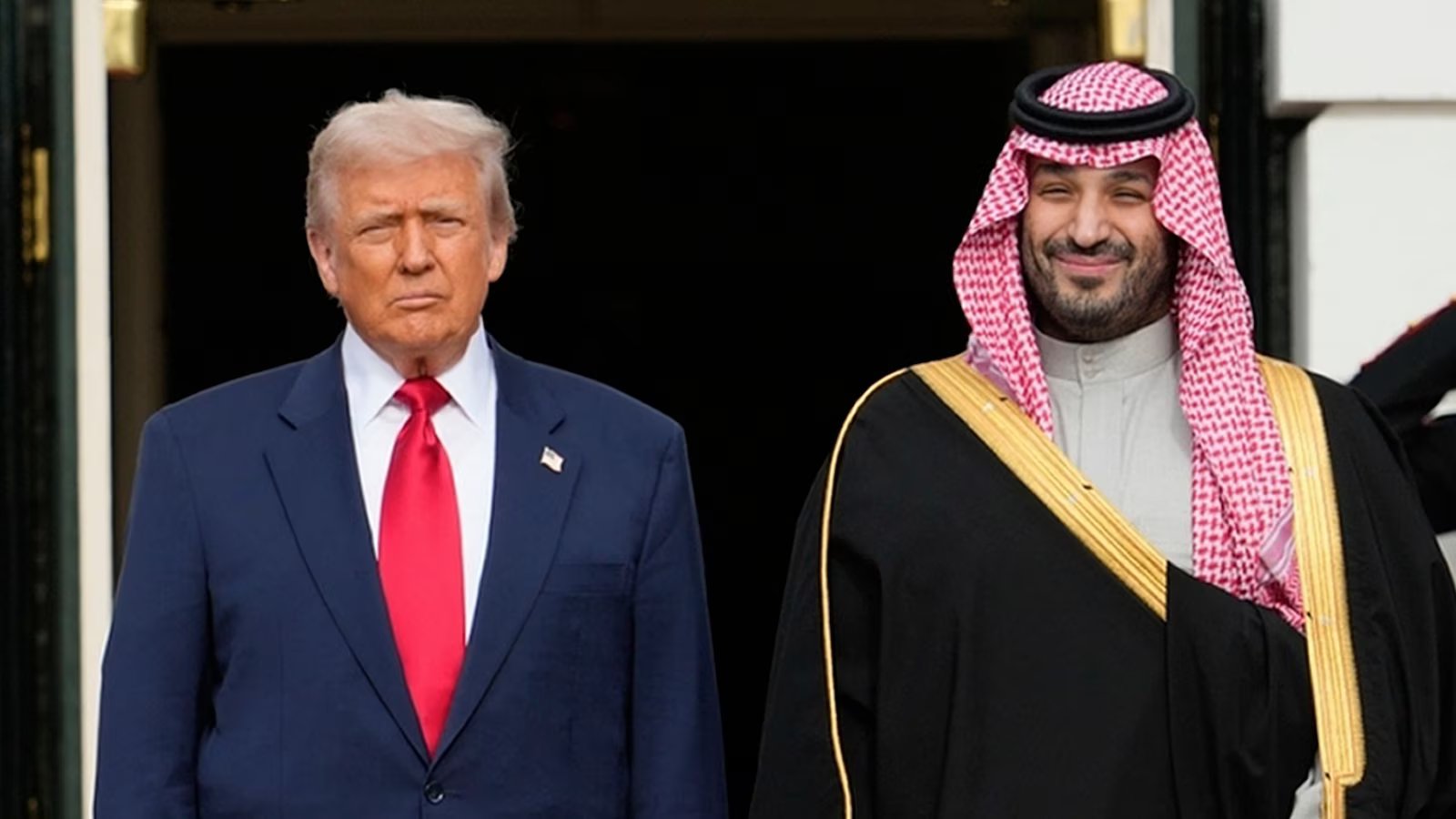
President Donald Trump’s proposed nuclear energy deal with Saudi Arabia was formally transmitted to Congress on Monday, though it still hinges on the Kingdom joining the Abraham Accords, a Trump administration official told ABC News.
Two sources familiar also confirm that the proposed deal was sent to Congress on Monday.
The landmark U.S.-Saudi nuclear agreement, which was finalized last month, was struck under Section 123 of the U.S. Atomic Energy Act. The Senate Foreign Relations Committee and House Foreign Affairs Committee have 90 days of continuous session to review the proposed agreement. However, the review clock can be stopped, which has been done in the past.

President Donald Trump stands with Saudi Arabia’s Crown Prince Mohammed bin Salman on his visit to the White House, Nov. 18, 2025, in Washington.
Mark Schiefelbein/AP Photo
The nuclear agreement was finalized on July 22 and signed by U.S. Energy Secretary Chris Wright and Saudi Minister of Energy Prince Abdulaziz bin Salman, according to the U.S. Energy Department.
The next day, Trump threw a last-minute wrinkle into the agreement, announcing that the deal was contingent upon Saudi Arabia joining the Abraham Accords, something that wasn’t in the original agreed-upon deal. Joining the Abraham Accords would cause Saudi Arabia to normalize relations with Israel, something it has been strongly against without the recognition of a Palestinian state.
On Tuesday, the administration official stressed that the president’s position remains unchanged, telling ABC the nuclear deal “will only move forward if Saudi Arabia joins the Abraham Accords.”
It is not immediately clear why the administration chose now to officially transmit the text of the proposed deal to Congress, given that the agreement was finalized over a month ago and Saudi Arabia has not made any public indication of joining the Accords.
The agreement allows the U.S. to partner on developing Saudi Arabia’s civil nuclear energy program. U.S. officials had previously told ABC that the deal leaves open the possibility for Saudi to enrich uranium domestically in the future, something that could raise concerns about nuclear weapons proliferation.
However, Trump has said that, under the deal, there would be no uranium enrichment.
“There will be no enrichment of material!” Trump wrote in a social media post last month.
The transmission of the agreement to Congress was first reported by the Wall Street Journal.