dailynewsnblog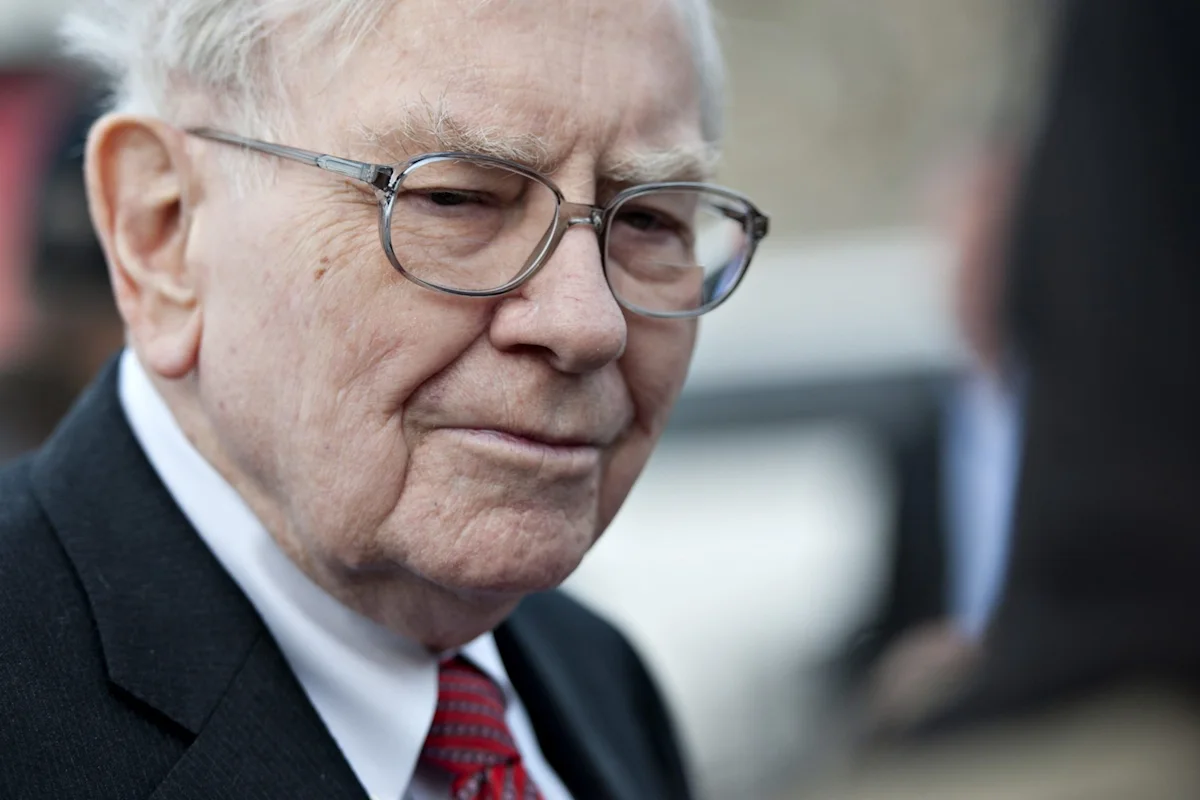
The Fourth of July marks the official launch of Trump Accounts, allowing parents to set up the new type of custodial individual retirement account for kids.
Any child with a Social Security number who’s under 18 by the end of the year when the account is created is eligible. And for children born between Jan. 1, 2025 and Dec. 31, 2028, who have a Social Security number and are U.S. citizens, the Treasury Department will kick start their Trump accounts with $1,000.
For those who don’t qualify for the $1,000, other contributions can come from a range of sources. Parents, relatives and friends can give up to $5,000 annually in after-tax dollars for years before the year the child turns 18. Employers that choose to participate could contribute up to $2,500.
Companies, nonprofits, the wealthy as well as state and local governments can chip in as well. In December, tech billionaire Michael Dell and his wife, Susan, announced plans to donate $6.25 billion, translating to $250 to 25 million children.
The Treasury Department announced Thursday that Trump Accounts can accept donations of public stock, saying it will help philanthropists contribute. Any such gifts would be given to the Treasury, which would transfer them “consistent with the donor’s instructions, applicable law, and Treasury guidance,” officials told the Washington Post.
Meanwhile, the Treasury Department also said that money contributed to Trump Accounts at launch will be put in the State Street SPDR Portfolio S&P 500 ETF (SPYM) as an “initial default investment.”
“The fund was selected to provide broad exposure to the U.S. stock market while maintaining expenses well below the statutory fee limitation,” the department said in a statement on Thursday.
Over the last 30 years, the S&P 500 has averaged annual returns of 10%-11%, though that includes big swings in individual years, such as a 37% crash in 2008 and a 29% surge in 2021.
Still, legendary investor Warren Buffett has long preached parking your money in an S&P 500 index fund, rather than trying to outsmart the market by picking individual stocks like he does.
In 2007, he famously made a $1 million bet that the index would outperform a collection of hedge funds over the course of 10 years—and won.

When it comes to his personal finances, Buffett also put his money where his mouth is. In his 2013 letter to Berkshire Hathaway shareholders, he laid out his simple advice to a trustee charged with managing his wealth for his wife upon his death.
“Put 10% of the cash in short-term government bonds and 90% in a very low-cost S&P 500 index fund. (I suggest Vanguard’s.) I believe the trust’s long-term results from this policy will be superior to those attained by most investors—whether pension funds, institutions or individuals—who employ high-fee managers,” Buffett wrote.