dailynewsnblog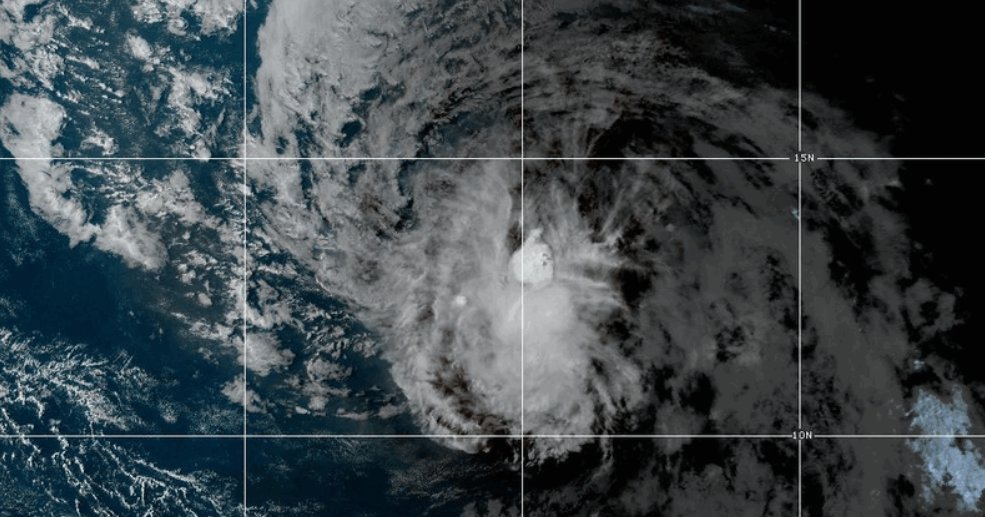
Tropical Storm Dolly formed in the Atlantic Ocean on Thursday, becoming the fourth named storm of the 2026 Atlantic hurricane season.
Dolly was still located far out at sea when it formed, according to the National Hurricane Center. The system could eventually bring rain to parts of the Leeward Islands over the weekend, although Dolly was expected to weaken to a tropical wave beforehand.
Dolly was packing maximum sustained winds of 40 mph on Thursday, which just clears the minimum strength required to be considered a tropical storm. The hurricane center said it was located about 1,425 miles east of the Leewards but traveling rapidly in their direction over the central Atlantic.
The storm’s strength was not expected to change much in the first 48 hours after it formed, the hurricane center said.
CBS News 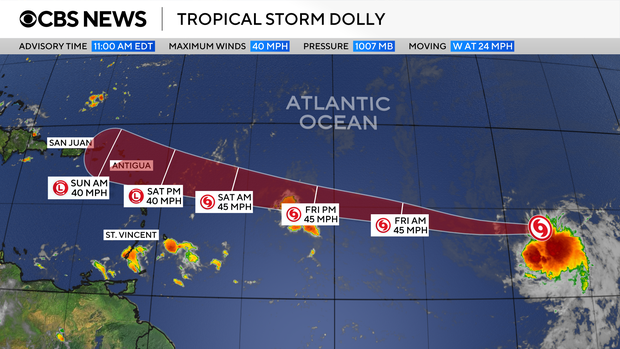
Dolly is forecast to “degenerate into a tropical wave before it reaches the Leeward Islands,” likely on Saturday, according to the hurricane center. Still, heavy rain from the system could cause flash flooding in sections of the island chain through Sunday. It could bring the same hazards to the Virgin Islands, Puerto Rico and Hispaniola through Monday.
Dolly is the fourth named Atlantic storm to develop so far this year, following Arthur, Bertha and Cristobal. The current Atlantic hurricane season, which runs from June through the end of November, has been quieter than usual, which meteorologists predicted due to the deepening El Niño in the Pacific.
NOAA 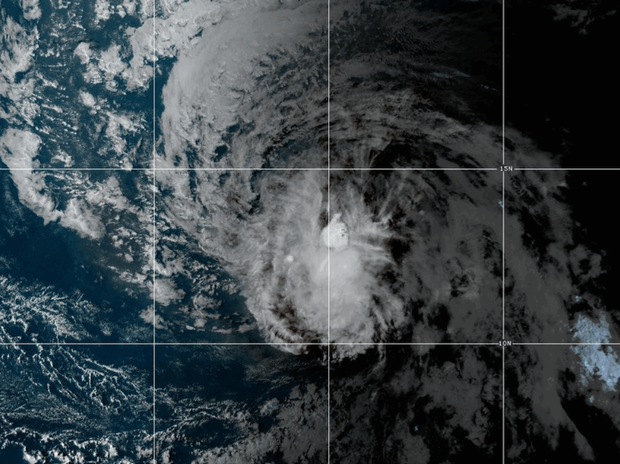
The latest tropical storm formed, coincidentally, just days after the death of country music star Dolly Parton at 80 years old.
A list of prepared names for Atlantic storms is used on a six-year rotation in a “strict procedure” arranged alphabetically by the World Meteorological Organization, according to the National Oceanic and Atmospheric Administration. For example, the 2026 list will be used again in 2032. Any storms strong enough to warrant names are given them in that order.