dailynewsnblog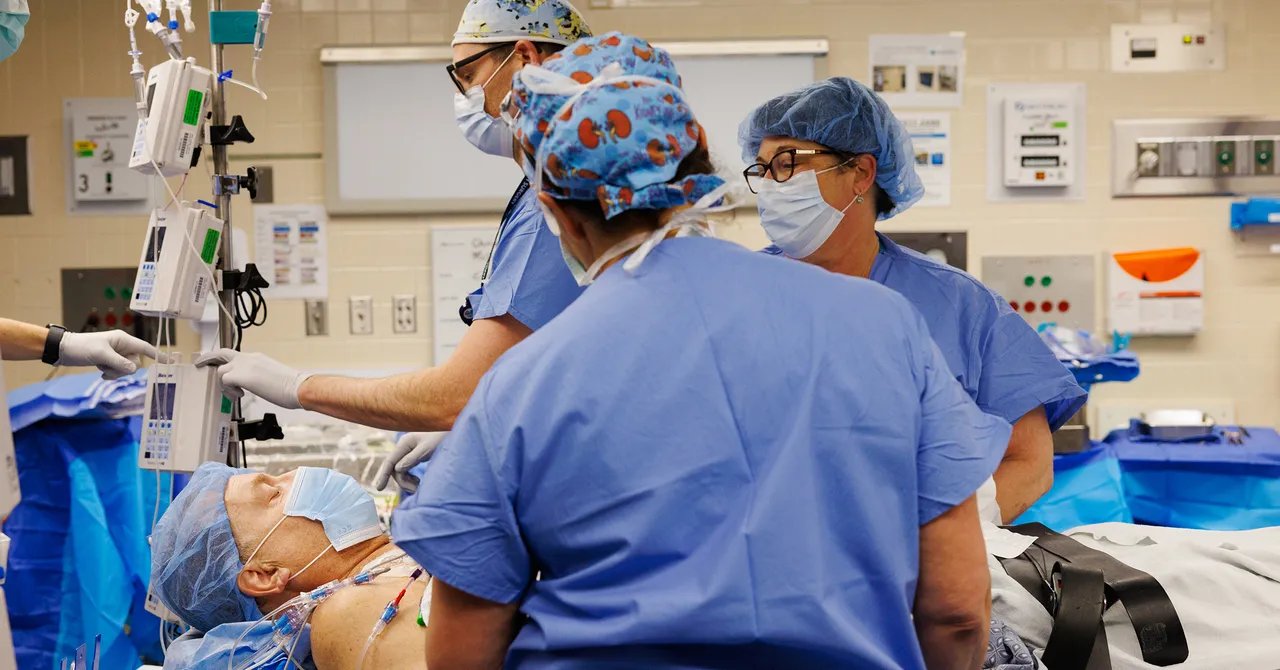
A woman has lived with a pig kidney for more than nine months without needing dialysis, a record-setting achievement.
The woman underwent the operation at Massachusetts General Hospital on November 22 last year. As of Thursday, the kidney has been functioning for 285 days, according to Cambridge, Massachusetts-based eGenesis, the biotech company that used Crispr gene editing to make the organ fit for human transplantation. Previously, the record for a person living with a transplanted pig kidney was 271 days, set by Tim Andrews.
Most people in need of a kidney transplant wait three to five years on average to receive one, though it can take longer depending on blood type and other factors. While they wait, patients often need dialysis, in which a person’s blood vessels are hooked up to a machine that removes excess fluid and waste from the bloodstream. Dialysis typically requires four-hour sessions three times a week and can damage blood vessels over time, making the procedure hard on the body.
Pig kidneys could offer an alternative until a human organ is available. Pig organs are similar in size and function to human organs and are being investigated as a way to ease the shortage of human donor organs. To make them more suitable for humans, scientists are genetically editing them to prevent immediate rejection and reduce the risk of pig viruses being passed on to transplant patients.
Patients’ health gets worse the longer they’re on dialysis, “and their odds of getting a human transplant aren’t rising fast enough to meet their declining health,” says Mike Curtis, CEO of eGenesis. The company used Crispr to remove certain pig genes that could cause an immune response and add a handful of human genes.
“What we saw with Mr. Andrews was a radical improvement in his overall health while he was on the pig kidney versus if he had stayed on chronic dialysis,” Curtis says.
The woman who has crossed the nine-month mark is the fifth person to receive an eGenesis kidney through a special regulatory pathway known as expanded access. The Food and Drug Administration allows patients with serious or life-threatening conditions to gain access to experimental treatments when there are no good alternatives.
Andrews’ case shows that pig kidneys may provide a temporary solution. He received a pig kidney in January 2025 and had it removed in October last year after a period of decreasing kidney function. He returned to dialysis but received a human kidney transplant in January this year. A second person has also successfully received a human transplant after having a pig kidney for eight months, according to eGenesis.
Curtis says the company is learning more with each transplant. In a paper published on Thursday in The Lancet medical journal, the surgical team that performed the transplants details Andrews’ experience. They determined that Andrews’ pig kidney eventually failed due to thrombotic microangiopathy, which means tiny blood clots formed in the transplanted organ.
The team is using that information to adjust the immunosuppressant medications that pig kidney recipients receive and how frequently they need to take those drugs. People who receive human organ transplants also need to take immunosuppressive drugs to prevent their body from rejecting the transplanted organ. Organ rejection can happen at any time following a transplant, ranging from minutes after the surgery to many years later.
Kidneys are the most-needed organ, with more than 95,000 people waiting to receive one in the US. But due to a shortage of donor organs, fewer than 28,000 kidney transplants were performed in the US in 2025.
The FDA has given eGenesis the green light to conduct a more formal trial in up to 33 patients with kidney failure who are between 50 and 70 years old and on the wait list for a human kidney. That trial will not happen until 2027, but eGenesis plans to perform additional transplants under the expanded access pathway in the meantime. Their next goal is to get a transplanted pig kidney to function for a year.