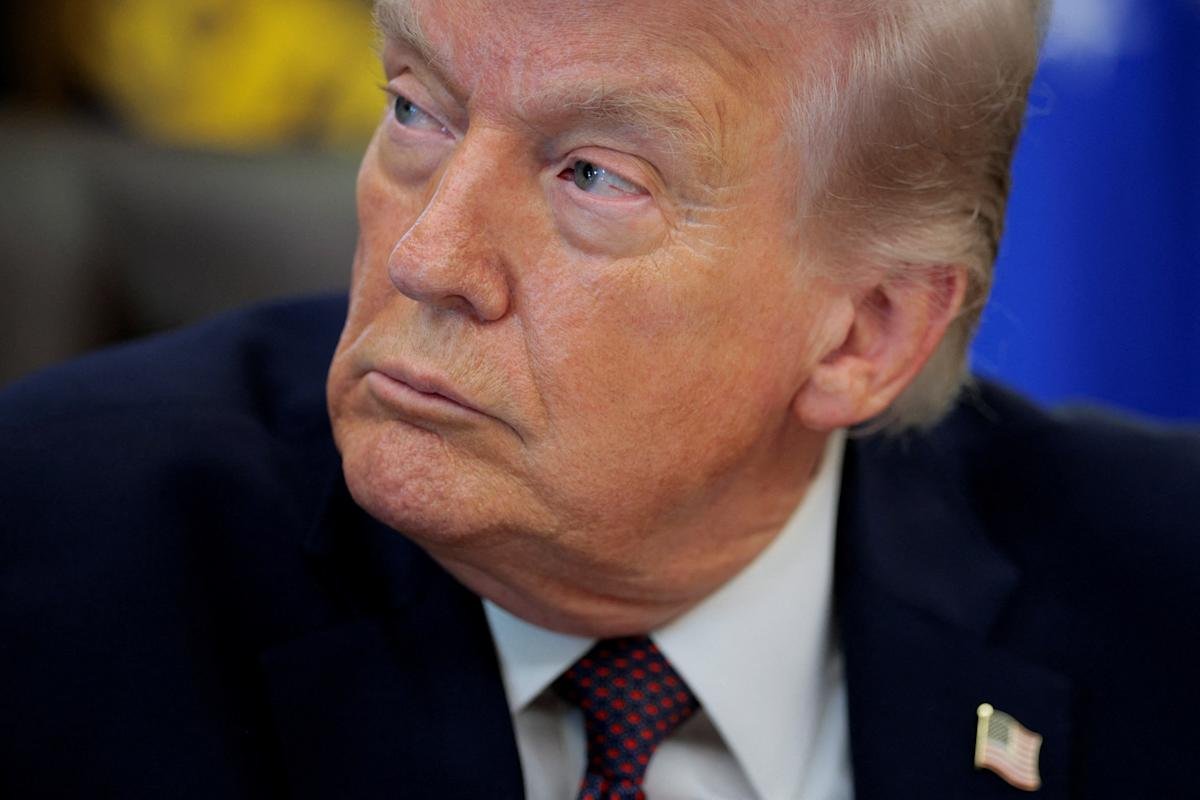
Trading open shadowed by Trump escalation threats


(Bloomberg) — US President Donald Trump’s warning that he may significantly escalate the war in Iran, potentially worsening an energy-price shock that’s already upending the global economic outlook, is shadowing stock, bond and oil markets before the start of the trading week.

In a profanity laced post early Sunday, Trump renewed threats to attack Iranian infrastructure if the key energy-shipping route through the Strait of Hormuz remains closed. He followed it later with another that said “Tuesday, 8:00 P.M. Eastern Time!” with no further explanation.

The president’s comments came as OPEC+ warned that damage to Mideast energy assets will have a prolonged impact on oil supply even after the conflict ends. Yet it’s showing little sign of progressing toward a ceasefire as attacks have continued to flare around the region, keeping key oil prices hovering around $110 a barrel.

“The prediction game remains quite tricky for investors,” said Homin Lee, a strategist at Lombard Odier. “Investors’ focus will squarely be on military actions on both sides of the Persian Gulf and whether or not Hormuz vessel crossings can improve further despite these attacks.”

The fallout from the war has rapidly darkened the economic outlook by threatening to cool growth and push up already elevated inflation, roiling bets on whether the Federal Reserve will resume cutting interest rates later this year.

The roughly $1 per gallon increase in US gasoline pump prices is estimated by economists to have driven the March consumer price index up 1%, the most since the post-pandemic inflation surge in 2022, in a report to be released Friday.

The S&P 500 is coming off its best weekly gain of the year, a 3.4% jump fueled by short covering and speculation early in the week that Trump was poised to begin wrapping up US military operations. The gains left the index just 5.7% below its January record.

But on Thursday, the last trading day of the holiday-shortened week, US stocks initially opened lower after Trump’s televised evening address dashed optimism he would layout a solid timeline for concluding the war. Equities later recovered the losses on reports that Iran was talking with Oman about ways to handle shipping traffic through Hormuz.

Even so, West Texas Intermediate crude ended above $110, rising 11% Thursday, while the global Brent benchmark settled near $109.

On Friday, US Treasuries fell after a stronger-than-forecast reading on March employment prompted traders to pare bets on interest-rate cuts. That marked a shift from much of last week, when bonds gained as the attention shifted from the inflation implications of the energy-price spike to speculation that rising costs to consumers and businesses will slow the pace of growth.

Yields on two-year Treasuries climbed 4 basis points to 3.84% and S&P 500 futures fell 0.3% in an abbreviated session after the release of the monthly labor report. The US added 178,000 jobs last month, higher than all estimates in a Bloomberg survey.

The continued hostilities have left oil prices only slightly below the $120 hit last month as key energy assets were attacked and the closure of Hormuz created what the International Energy Agency called the biggest supply disruption in the history of the market.

Recent events undercut the Trump administration’s claims that Iran’s military capabilities have been decimated. Military briefings cited by Israeli media this weekend indicate Iran still has more than 1,000 missiles capable of reaching the country, which joined the US in launching the attacks, while Hezbollah’s arsenal in Lebanon includes as many as 10,000 shorter-range rockets.

The downing of a US aircraft over Iran prompted a successful mission to rescue an airman. Meanwhile, the Islamic Republic’s continued attacks damaged Kuwait’s oil headquarters and shut down an Emirati petrochemicals plant.

The continued bombings — and the lack of any apparent progress toward negotiations that would end the conflict — have raised the specter that it could drag on even though Israel and the US insist their core objectives are being achieved.

Trump has previously dialed back his escalation threats, including two weeks ago before markets reopened for the week. Trump also said he plans to hold a news conference at 1 p.m. on Monday.

“Trump is probably serious in his expressed desire to step away after two or three more weeks,” said Lombard Odier’s Lee. “But the obvious path-dependency inherent in the conflict suggests that his attempt to carry out a final round of aggressive strikes can backfire significantly for the markets.”

More stories like this are available on bloomberg.com

©2026 Bloomberg L.P.


Source link

  • Related Posts

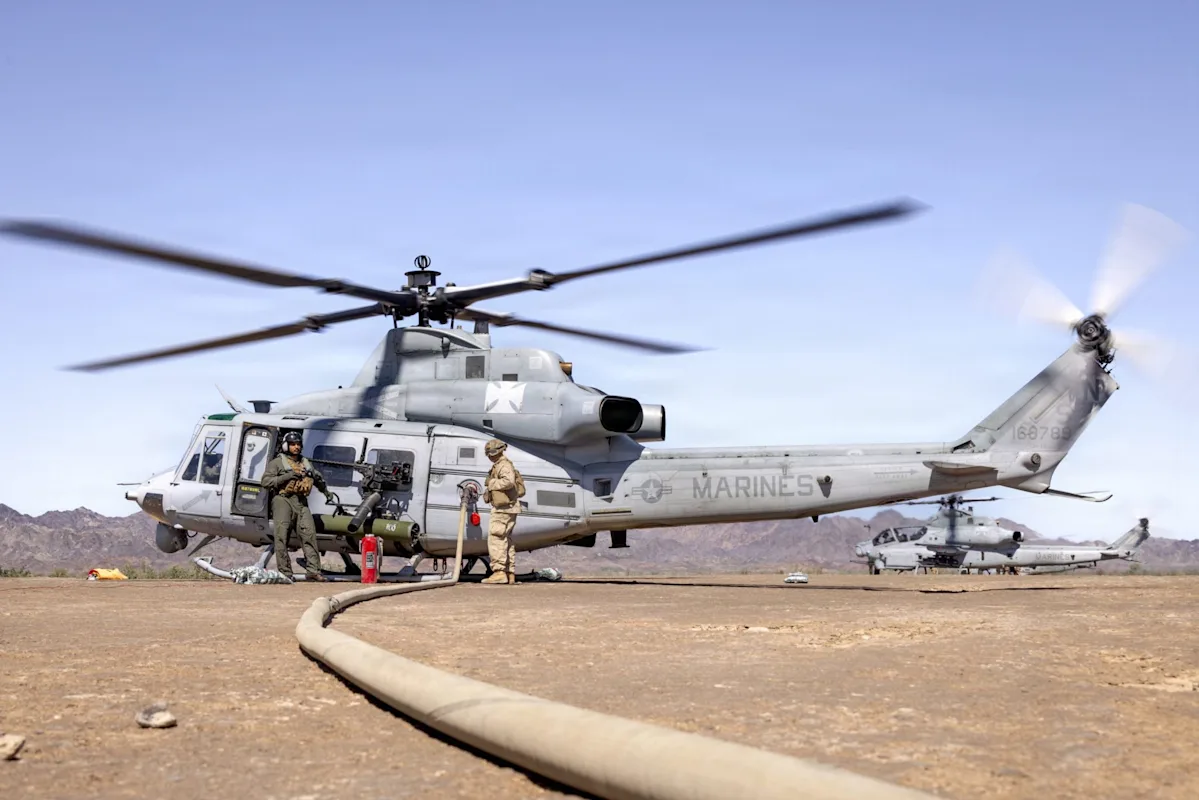
    The U.S. military set up an improvised airfield deep inside Iran to rescue the F-15 airman. Marines just practiced building one in the desert

    The dramatic rescue of the F-15 weapons system officer who was shot down over Iran required the U.S. military to set up an improvised airfield deep inside the country in…

    Texas mother accused of medical child abuse of 3-year-old son

    IE 11 is not supported. For an optimal experience visit our site on another browser. Now Playing Texas mother accused of medical child abuse of 3-year-old son 02:26 UP NEXT…

    Leave a Reply

    Your email address will not be published. Required fields are marked *

    You Missed

    Why The US Air Force Is Quietly Buying Up Lufthansa’s Boeing 747s In 2026

    Why The US Air Force Is Quietly Buying Up Lufthansa’s Boeing 747s In 2026

    Google's Quantum Warning: Crypto Threat Closer Than Expected video

    Google's Quantum Warning: Crypto Threat Closer Than Expected video

    Caroline Dubois drops and stops Terri Harper to become unified lightweight champion

    Caroline Dubois drops and stops Terri Harper to become unified lightweight champion

    The Best Deals Today: M5 MacBook Air, Sony WH-1000XM5, Splatoon 3, and More

    The Best Deals Today: M5 MacBook Air, Sony WH-1000XM5, Splatoon 3, and More

    A Looming Deadline

    Canada Gazette – Part I, June 17, 2024, volume 158, extra number 6