dailynewsnblog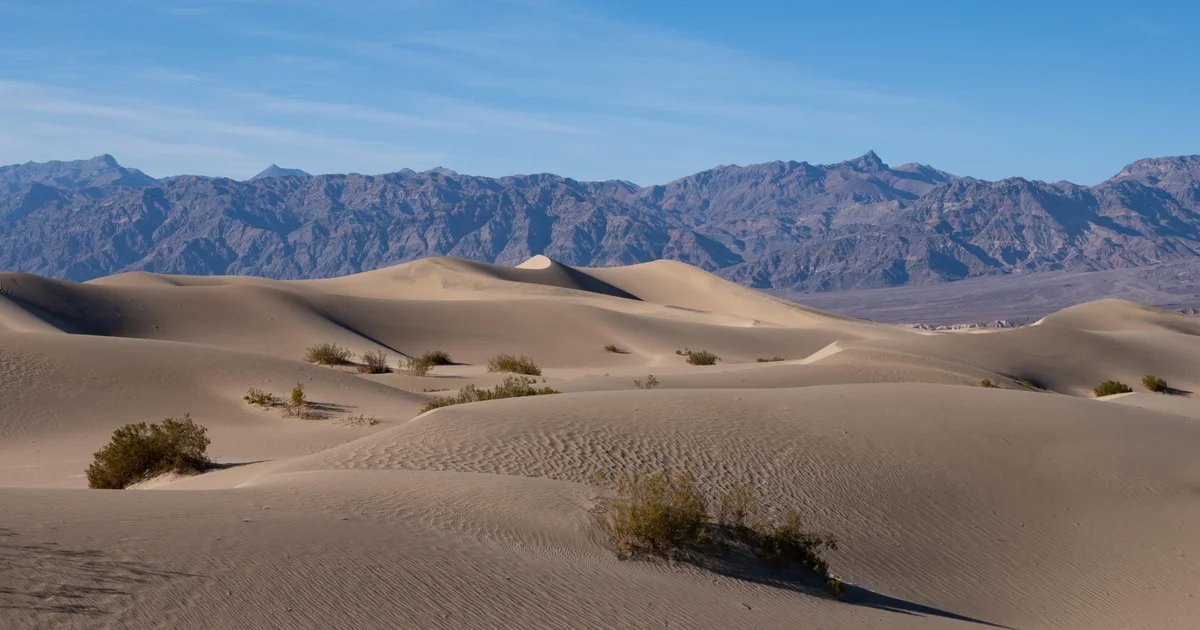
A 68-year-old tourist died in Death Valley National Park after his car became trapped in mud in soaring temperatures last week, officials said.
Pierre Michel Formosa was visiting Death Valley from France when he and a travel companion found themselves stranded on a road in a remote section of the California park on Aug. 17. He and the companion left the vehicle and began to walk across salt flats in hopes of finding help.
But, after traversing the area on foot for about 1.3 miles, without another person in sight, Formosa “was unable to continue,” according to the National Park Service. Temperatures had reached 116 degrees Fahrenheit that afternoon.
The companion continued walking on his own and eventually passed a driver, who reported the incident to park rangers from a visitor’s center in the area at around 2 p.m. local time. Rangers started to search for Formosa less than 15 minutes later. They were joined by a county deputy and California Highway Patrol helicopter.
They were ultimately able to locate Formosa later that afternoon. He was pronounced dead at the scene, the National Park Service said. The Inyo County coroner will determine his cause and manner of death, which have not yet been released publicly.
Mike Reynolds, the superintendent of the park, shared condolences with Formosa’s family and friends in a statement. He also warned of the hazards that can come with visiting Death Valley.
“This is a heartbreaking reminder of how quickly conditions here can turn dangerous,” Reynolds said. “Death Valley is an extraordinary place, but its heat, distances, and remoteness can be dangerous, regardless of experience. We’re grateful to everyone who took part in the search, and our thoughts are with his loved ones.”
Death Valley bills itself as the “hottest place on Earth,” with an all-time temperature of 134 degrees recorded in the park in July 1913. It’s also extremely dry.
Formosa’s death in triple-digit conditions came as parts of California and other states across the American West experience notably severe heat and drought over the last few months. In Southern California, the National Park Service said this upcoming week was expected to be the hottest of the summer so far.