dailynewsnblog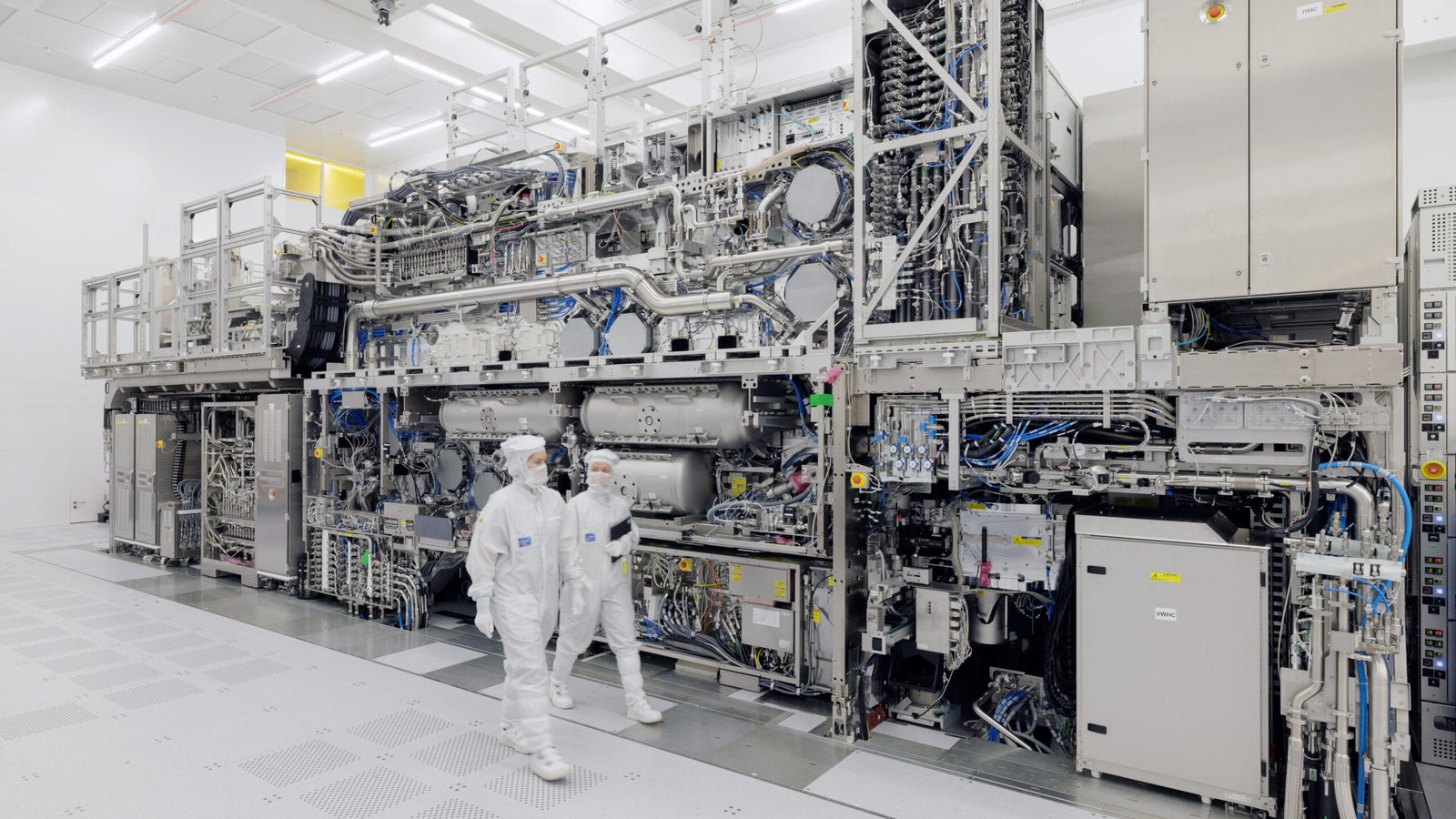
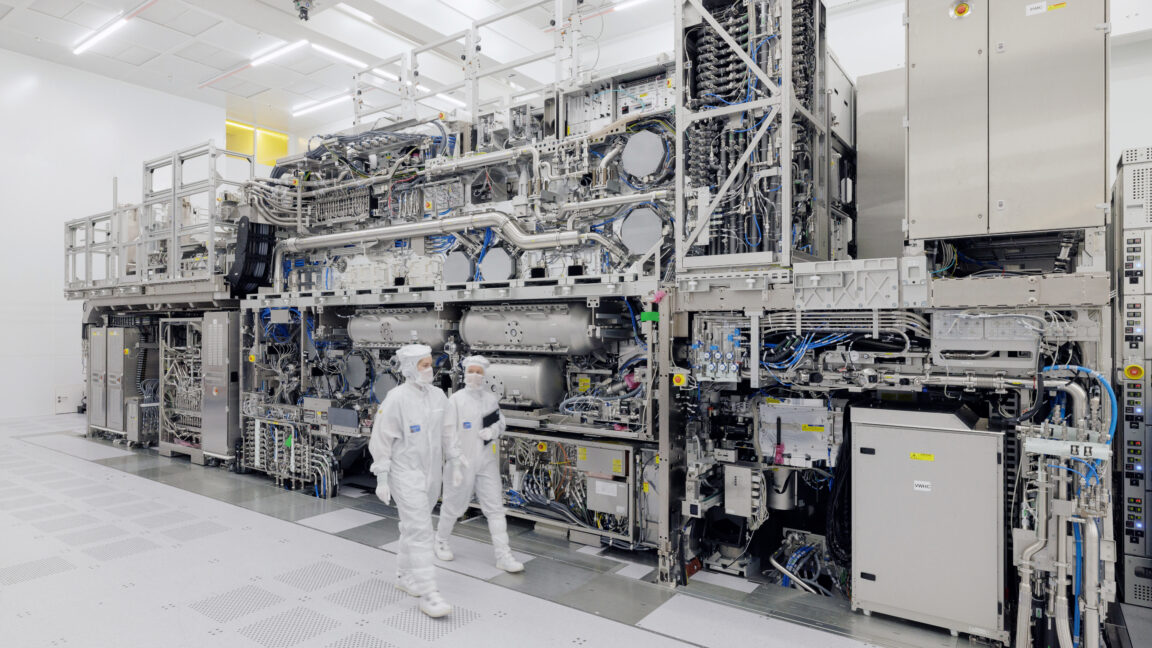
Intel has already begun adopting high-NA EUV machines in chip manufacturing. The US company has used the technology in high-volume manufacturing of Panther Lake processors for mobile computing devices starting in July 2026.
Industry moves on as China races to catch up
Samsung and TSMC are also now working with Intel and ASML to change the chipmaking standard for photomasks—the stencils that provide the intricate circuitry patterns imprinted onto silicon—from 6-inch photomasks to 12-inch photomasks. That shift could eventually improve the chipmaking productivity of high NA EUV machines by 40 percent, ASML chief technology officer Marco Pieters told Bloomberg.
The South Korean memory chipmaker SK Hynix is also considering joining the industry consortium overseeing the switch to the larger 12-inch photomasks, a spokesperson told Bloomberg. Like Samsung, SK Hynix is also aiming to start making memory chips using the high NA EUV technology starting in 2028.
Improved production of chips has become a business imperative for as long as the AI bubble continues to inflate. Tech companies’ rush to construct new AI data centers has also contributed to a global shortage of memory chips that has increased the prices of smartphones, laptops, and gaming machines.
Meanwhile, the importance of ASML machines for advanced chipmaking has also become a key issue in the ongoing tech competition between the United States and China. ASML still supplies Chinese companies like Semiconductor Manufacturing International Corporation (SMIC) with older-generation deep-ultraviolet lithography machines but has been blocked from exporting most of its chipmaking machines to China under Dutch government restrictions and US political pressure.
Despite unproven US government allegations that China managed to obtain one of ASML’s EUV lithography machines, Chinese companies face an uphill battle in developing a homegrown version of the technology and the supply chain necessary to support production of such machines. An executive at Germany’s Zeiss Group, the exclusive supplier of the mirrors and optical systems used in ASML machines, recently predicted that China would need 15 years to develop EUV lithography machines.
This story was updated on September 8, 2026, to correct the description of EUV technology in comparison with older technologies such as deep ultraviolet lithography.