dailynewsnblog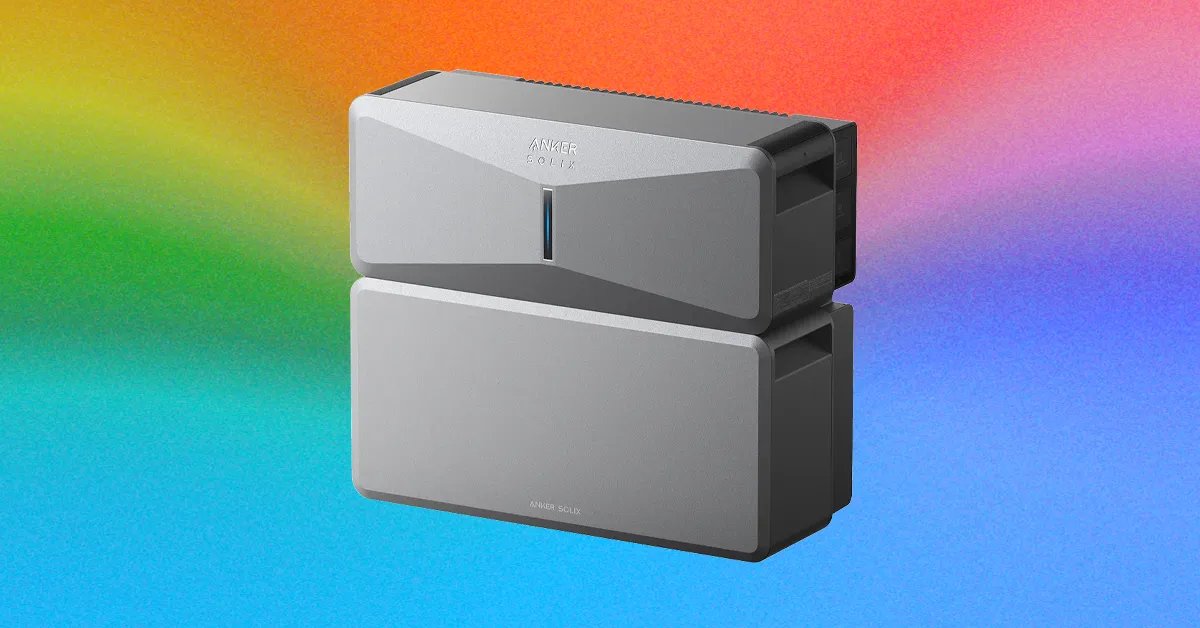
I like to keep my home at a cool and comfortable 68 degrees year-round. This preference would be fine if I lived near the Pacific Ocean, or in a small home, or in a newer home that’s insulated with modern mineral wool instead of tissue paper and horsehair.
I, however, live in a 2,000-plus-square-foot home built in 1906. It’s in Kansas City, which has a brutal, humid continental climate. Missouri winters are frigidly cold with ice storms that frequently cripple the city’s roads and burst pipes all over town. Summers are famously hot and humid with near-daily thunderstorms, as fronts crossing the continent collide in its pancake-flat center. Spring and fall are nice, but they last six to eight weeks combined, meaning we get a solid 20 days of open-window weather.
I moved into this house last August. It’s twice the size and 40 years older than my previous home. I knew my power bills will likely go up significantly. In September, my first full month in my new place, I decided to throw caution to the wind and set the thermostat to my preferred temperature and see what would happen. I ended up with a $372 electric bill. After considering the sale of some of my excess plasma, I spent the cooler winter months finding ways to avoid a hot and sticky summer.
The solution to my power problem, and one that I expect many will embrace in the near future is a smart whole home battery backup.
While whole home battery backups might seem reserved for solar enthusiasts, preppers, or those with specific medical needs, they are quickly becoming an essential appliance for many homeowners. Their value goes far beyond simply keeping the refrigerator running during a power outage.

Photograph: Martin Cizmar
To see if a whole home batter backup would work for my house, I tested the Anker Solix E10 system. The $7,200 setup, which includes two batteries and a power dock, is far cheaper than my alternative solution: moving to San Diego, though that path nets better burritos. While there are many variables, I estimate the system will pay for itself in about five years, though Anker states it will last for up to ten.
Company Time
Even though the weather in Kansas City offers as few comfortable days as pretty much anywhere in the United States, its power company capitalizes on my need to be in a climate-controlled home with an extremely aggressive time-of-use billing option. This is becoming more common, as utilities try to incentivize time-shifting to prevent stress on their grid and build out their infrastructure to offer favorable rates to preferred industrial customers and power-hungry data centers.
Along with Missouri’s two major metro areas, cities like Denver, Phoenix, and those across California also offer aggressive time-of-use discounts.