dailynewsnblog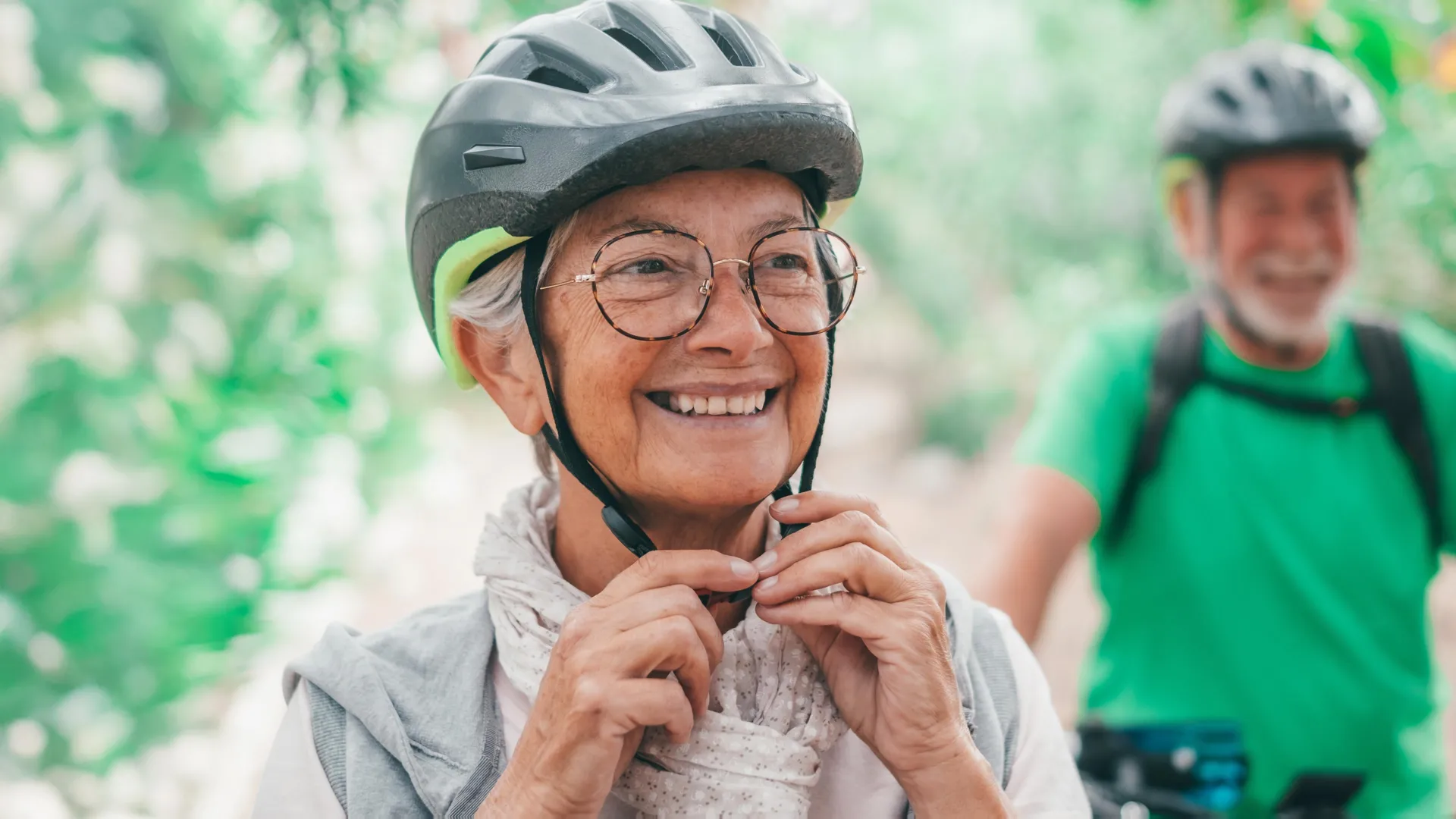
In Japan, many older adults rely on bicycles for daily transportation, far more than seniors in Europe or the United States. Earlier research has shown that people who cycle tend to be more physically active and socially engaged. While cycling has long been viewed as a habit that can reduce the need for long-term care and lower the risk of death, there has been little long-term evidence examining these benefits specifically in Japan.
To better understand these effects, researchers analyzed cycling habits among older adults across two main areas. First, they looked at how often participants rode bicycles in 2013 and tracked whether they later required long-term care or died over a 10-year period through 2023. Second, they evaluated changes in cycling behavior (nonuse, initiation, interruption, and continuation) between 2013 and 2017, and how these patterns related to later health outcomes. The analysis included all participants, as well as a focused look at individuals who did not drive.
Lower Risk of Death and Long-Term Care
The results showed clear benefits. Older adults who were cycling in 2013 had a lower risk of needing long-term care and a lower risk of death over the following decade compared with those who did not cycle. These protective effects were especially strong among nondrivers.
Continued Cycling Brings Lasting Benefits
The second part of the study found that seniors who kept cycling between 2013 and 2017 had a reduced risk of both long-term care needs and death in the years that followed. Among nondrivers, the benefits were even broader. Those who either continued cycling or started cycling during this period were less likely to require long-term care later on.
Cycling as a “Lifestyle Companion” for Seniors
Overall, the findings suggest that cycling can play an important role in supporting both physical and mental well-being in older adults, helping extend life and maintain independence. The researchers describe cycling as a “lifestyle companion” that supports healthier aging, particularly for those who no longer drive. This is especially relevant as more older adults in Japan give up their driver’s licenses. The study also highlights the need for greater social support to encourage cycling among seniors.
This study was supported by grants from JSPS KAKENHI Grant-in-Aid for Young Scientists (B) (26750348), KEIRIN JKA (2023P-380), JST (JPMJPF1234), Meiji Yasuda Life Foundation of Health and Welfare, and Japan Sport Association.