dailynewsnblog
Earlier this week, Valve announced a steep price increase for its Steam Deck OLED models. In the UK, would-be-buyers saw a rise of over £200 for the company’s chunkier 1TB Steam Deck OLED model, which increased from £569 to £779. Its lower-tier 512GB Steam Deck OLED model, meanwhile, increased by £170. Its price rose from £479 to £649.
Much like other companies which have similarly announced price increases for their own hardware such as Sony and Nintendo, Valve cited the rising cost of RAM and storage shortages as the reason for its decision. “These new prices reflect the current state of component costs and other global logistical challenges across the industry as a whole,” Valve said. The Steam Deck itself remains the same.
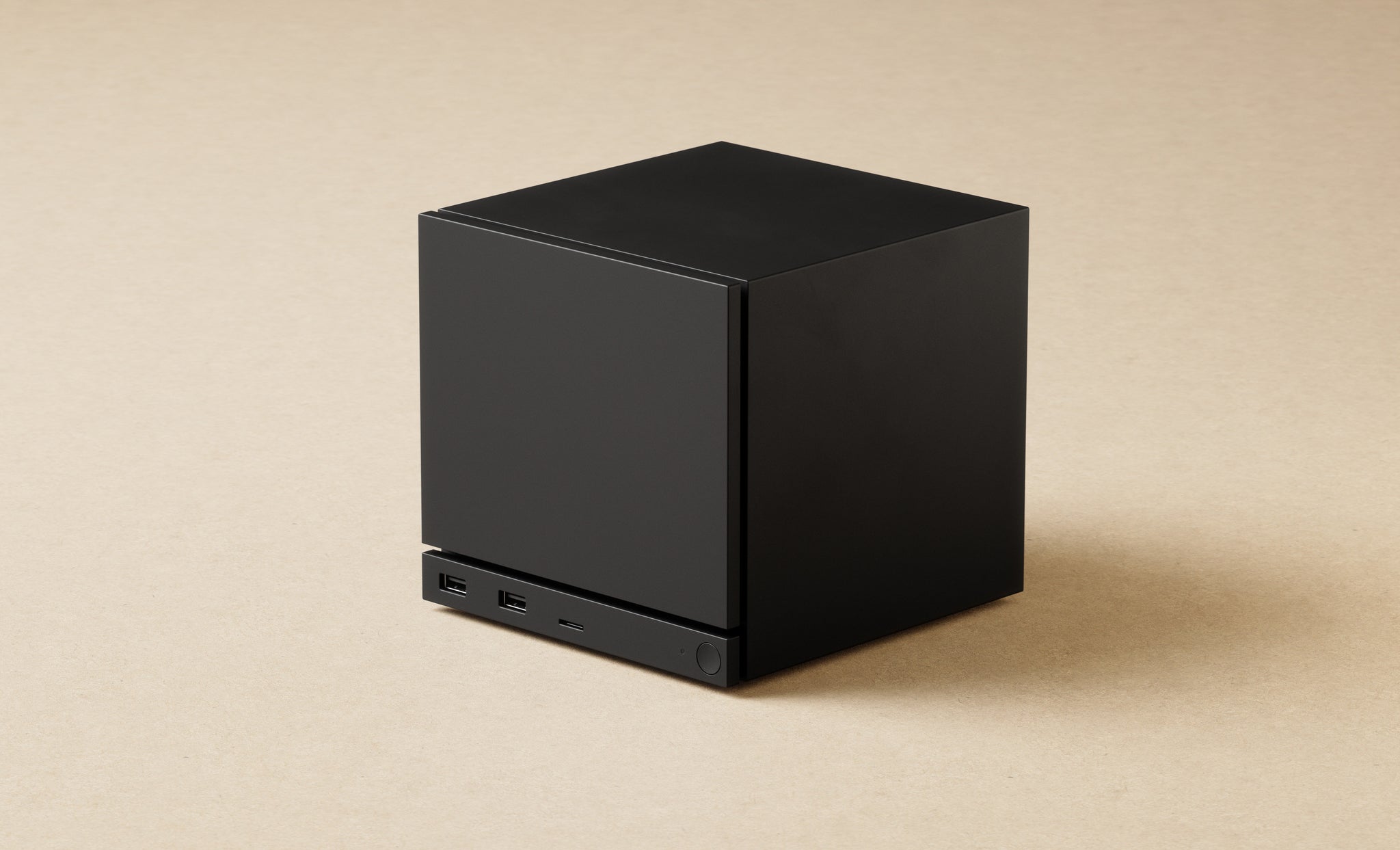
But what does this mean for the Steam Machine, Valve’s yet-to-be-released console/PC hybrid, which will be able to run PC games on a television or as a normal gaming computer. Valve still hasn’t put a price on the Steam Machine, though in November said it would be “more in line with what you might expect from [the] current PC market”. However, the PC market is getting more expensive, probably even as I write.
Speaking with Eurogamer, analyst Mat Piscatella noted that the pricing and availability issues surrounding component parts, particularly in RAM and storage, “are exceptionally fast moving at the moment”, so it would be hard to give a definitive answer on how much Valve could potentially sell the Steam Machine for. “My guess (and really, everything here is more or less a guess at the moment given how chaotically this market is moving) is that yesterday’s increase in Steam Deck prices signals that we’ll likely be seeing four digit pricing for the Steam Machines, when (or if, as the case may be) pricing and launch timing are announced,” Piscatella said. “However, my confidence in this estimate is not high. If forced, I’d say that I’m assuming a $1,200 US launch price for the base version of Steam Machine at the moment.”
That being said though, Piscatella added he “would not be surprised at all should the actual price be significantly higher or even somewhat lower” than that. “This market is not behaving normally, meaning that there are several external forces impacting it that do not allow for high confidence forecasting,” he continued. “We’re more in the area of prophecy when it comes to this kind of thing, and my crystal ball has not been working all that well all year.
“I don’t think the potential for price increases impacting video game hardware stops at Valve, of course. We could see other price rises across both PC and Console products, depending on what happens in the macro environment.”
Piscatella addressed the current cost of living crisis. “This is coming at a time with rising prices in everyday spending categories such as food and fuel,” he said in closing. “As consumers shift more of their spending power to those everyday essentials, less tends to be available for discretionary categories like video games. It’s quite the squeeze we are seeing, and it’s unlike anything we’ve seen before.”
Chris Dring of The Game Business similarly observed that the current component price crisis is “a real problem for the entire video game sector”, and neither PC or consoles are safe from the shortages, which means when it comes to Valve’s Steam Machine pricing, he isn’t feeling particularly positive.
“In an economy where families are squeezed, the price of these devices will likely impact the growth of the entire market and those operating within, certainly outside of mobile,” Dring told Eurogamer. “It could result in the extension of this generation as big companies wait out the situation. Another big issue is for those whose consoles or Steam Decks break down and need replacing. Will they be able to afford it?”
With some major video game releases still expected this year, namely Grand Theft Auto 6, this should be “a banner year” for consoles, Dring continued. “Although not relevant to the Steam Deck, GTA 6 is likely to attract an audience of new and lapsed players, and they’re in for a shock when they look at the price of the machines needed to play it,” he said.
“It’s possible this could provide a brief boost to game streaming as a means to access games without the upfront hardware cost. But even this sector isn’t immune to the cost increases.”
For more on this subject, be sure to check out Bertie’s feature: “It’s a perfect storm of unpreparedness, panic, and greed” – RAM prices are soaring, so what does it mean for gaming?