dailynewsnblog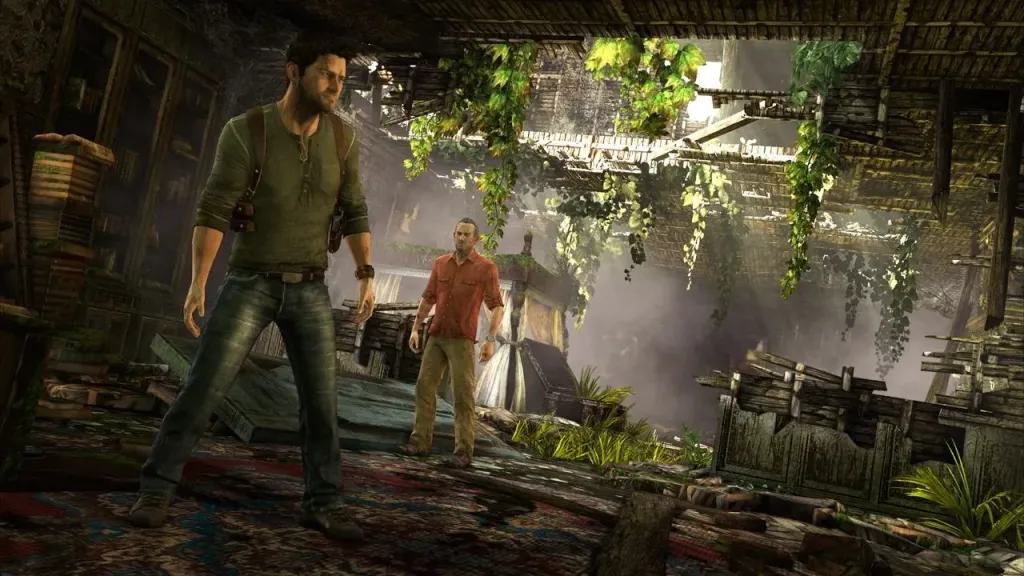
As monumental as Sony’s decision to abandon PlayStation discs by 2028 is, it isn’t surprising one bit. The move feels like the culmination of industry trends dating back over a decade, and it recalls one egregious business practice–one that took aim at the used-game market, whether companies would admit it or not–that caused a brief uproar before fading away into the depths of our collective memory.
There was a period at the end of the 2000s and start of the 2010s when big publishers including EA, Ubisoft, and, yes, PlayStation implemented an “online pass” for games that included a multiplayer component. The idea was that physical games would come with a paper slip containing a code, and redeeming that code on the console’s online store would grant you access to that game’s online functionality.
The implications were massive: Since these codes were single-use, anyone new who plays that same copy of the game, whether it’s someone who borrows that game or purchases it from a secondary market, won’t have authentication to play that game online–unless they buy the online pass separately.
It’s a practice that was attached to major titles like EA’s Battlefield 3, Dead Space 2, and Need for Speed: Hot Pursuit, and both Ubisoft and PlayStation eventually caught the bug for their core titles. Ubisoft’s version of the online pass was called the “Uplay Passport,” and I distinctly remember my copies of Resistance 3 and Uncharted 3 coming with a “PSN Pass.”
If you asked these publishers why they enacted these policies, they sidestepped talk about secondhand games and instead touted the “premium” value of their games’ online services. When attempting to justify the presence of an online pass for Tiger Woods PGA Tour 11 in 2010, then-EA Sports senior vice president (and current EA CEO) Andrew Wilson said that the company “made a significant investment” in its online services and that it wants to reserve those features for “people who pay EA to access them.”
Sony used similar reasoning when explaining its PSN Pass, with Uncharted 3 director Justin Richmond explaining in 2011 the need for server maintenance, adding that “at some point, you know, games have to make money.” It was a similar sentiment from a Battlefield 3 producer, who was a bit more explicit when stating: “We would rather have you buy a new game than a used game because buying a used game is only a cost to us; we don’t get a single dime from a used game, but we still need to create server space and everything for you.”

But consumer backlash was quick and brutal, and the practice was phased out by 2013. EA cited player feedback, while Ubisoft conceded that its Passport system was “no longer the best approach” for delivering its gaming experiences. Meanwhile, Sony was riding high by embracing the used game market for the PlayStation 4 and rejecting the online DRM policies that rival Microsoft was initially planning to implement for the Xbox One. PlayStation’s announcement that the PS4 would support used games was famously met with uproarious applause.
In a stark contrast to the enthusiastic auditorium from 13 years ago, Sony’s latest announcement was made up of three paragraphs on a blog post, with rather dry and detached business speak and bereft of any human emotion such as empathy for customers who will be affected by the phasing out of physical media.
In between then and now, publishers have found other means to monetize and keep consumers beholden to their ecosystem with battle passes and other microtransactions. And when it comes to digital sales, Sony now has the data from consumer trends to back up its practices. Digital purchasing didn’t have a stranglehold on the industry during the era of the online pass, and with the ratio of digital vs. physical purchases skewing heavily toward the former, Sony knows it can now “wait for the storm to pass” amidst the complaints and petitions that sprung up after the announcement. It doesn’t need to take a populist approach when sales–and improved margins–favor this approach, regardless of the backlash.
Current market trends now allow these gaming platforms to fulfill what they tried to start over a decade ago–just look at the reported disc-to-digital program that Xbox is apparently firing up, which greatly resembles what Microsoft tried to initiate with the Xbox One before pulling a 180. Compared to Sony’s
new policy of eschewing physical releases, the disc-to-digital concept now sounds like a relatively good compromise.
Whatever these corporations end up doing, these policies are a massive blow to the aftermarket of used video games. Even with the grandstanding in support of used games and rejection of online DRM in the PS4/Xbox One era, it feels like Sony and Microsoft have been waiting to pull the lever when the time is right–and that time is now.
We’re looking at a future where the platform holders have even tighter grips on their online ecosystems, and our ownership of our games is loosening. And now I’m nostalgic about a past when the only thing we had to complain about was a slip in the box.