dailynewsnblog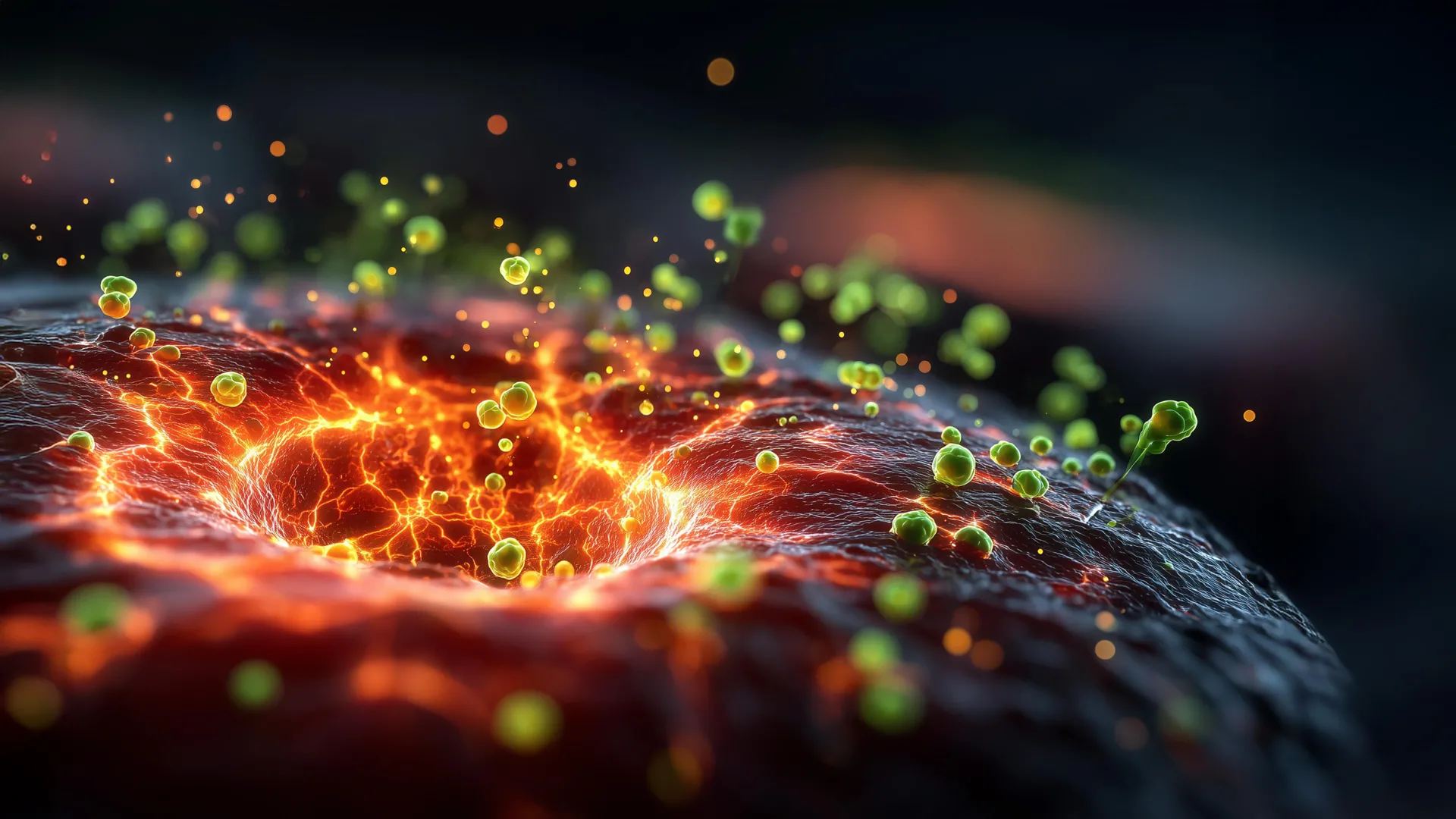
Scientists at the Japan Advanced Institute of Science and Technology (JAIST) have identified a naturally occurring bacterium from the intestines of Japanese tree frogs (Dryophytes japonicus) that demonstrated remarkable anticancer activity in mice. The findings, published in Gut Microbes, introduce a new approach to cancer treatment that uses living bacteria to directly target tumors rather than simply altering the gut microbiome.
Unlike many previous studies that focused on changing the composition of gut bacteria or using fecal microbiota transplants, this research isolated individual bacterial strains, grew them in the laboratory, and delivered them intravenously to attack tumors.
The team collected 45 bacterial strains from the intestines of Japanese tree frogs, Japanese fire belly newts (Cynops pyrrhogaster), and Japanese grass lizards (Takydromus tachydromoides). After screening the bacteria for anticancer activity, nine strains showed promise. Among them, Ewingella americana produced the strongest results.
Single Treatment Eliminated Tumors in Mice
In a mouse model of colorectal cancer, a single intravenous dose of E. americana completely eliminated tumors, producing a 100% complete response (CR) rate. According to the researchers, the treatment outperformed standard therapies used for comparison, including immune checkpoint inhibitors (anti-PD-L1 antibody) and the chemotherapy drug liposomal doxorubicin.
The researchers emphasize that these findings are limited to mice, but they believe the results provide an encouraging proof of concept for developing new bacterial cancer therapies.
Dual Attack on Cancer Cells
The bacterium appears to fight cancer through two complementary mechanisms.
First, E. americana directly attacks tumors. As a facultative anaerobic bacterium, it thrives in both oxygen rich and oxygen poor environments, allowing it to multiply inside the oxygen deprived regions commonly found within tumors. Once there, the bacterial population increased by roughly 3,000 fold within 24 hours after treatment, directly damaging cancer cells.
Second, the bacterium stimulates the immune system. Its presence attracted T cells, B cells, and neutrophils into tumors. These immune cells then released inflammatory signaling molecules, including TNF-α and IFN-γ, which strengthened the immune response and promoted cancer cell death.
Why the Bacteria Target Tumors
One of the most striking findings was that E. americana accumulated almost exclusively inside tumors and did not colonize healthy organs.
The researchers believe this tumor specificity results from several factors working together:
- The low oxygen environment inside tumors encourages bacterial growth.
- Cancer cells produce the CD47 protein, which suppresses local immune activity and creates conditions that allow the bacteria to survive.
- Tumor blood vessels are unusually leaky, making it easier for bacteria circulating in the bloodstream to enter tumor tissue.
- Tumor specific metabolic changes provide nutrients that support bacterial growth.
Together, these characteristics allow the bacteria to concentrate where tumors are located while avoiding normal tissues.
Favorable Safety Results
The research team also evaluated the treatment’s safety.
They found that the bacteria were rapidly cleared from the bloodstream, with a half life of approximately 1.2 hours, and became undetectable within 24 hours. No bacterial colonization was detected in healthy organs, including the liver, spleen, lungs, kidneys, or heart.
The treatment caused only mild, temporary inflammation that returned to normal within 72 hours. During a 60 day observation period, the researchers found no evidence of chronic toxicity.
Expanding to Other Types of Cancer
The study establishes proof of concept for using naturally occurring bacteria as a cancer therapy. Future research will examine whether the approach can be applied to additional solid tumors, including breast cancer, pancreatic cancer, and melanoma.
The team also plans to optimize treatment methods through approaches such as dose fractionation and direct injection into tumors. Researchers will also investigate whether E. americana works even better when combined with existing chemotherapy or immunotherapy.
The findings also highlight the potential value of exploring biodiversity as a source of future medical treatments, offering the possibility of new therapeutic options for patients with cancers that are difficult to treat.
Glossary
- Facultative Anaerobic Bacteria: Bacteria capable of growing in both oxygen rich and oxygen depleted environments, allowing them to selectively multiply in the low oxygen conditions found inside tumors.
- Complete Response (CR): Complete disappearance of detectable tumors following treatment.
- Immune Checkpoint Inhibitor: Drugs that remove the signals cancer cells use to suppress the immune system, allowing T cells to attack tumors more effectively.
- CD47: A protein on the surface of cells that sends a “don’t eat me” signal to the immune system. Many cancer cells produce large amounts of CD47 to avoid immune attack.
The research was supported by the Japan Society for the Promotion of Science (JSPS) KAKENHI Grant-in-Aid for Scientific Research (A) (Grant No. 23H00551), JSPS KAKENHI Grant-in-Aid for Challenging Research (Pioneering) (Grant No. 22K18440), the JSPS Program for Forming Japan’s Peak Research Universities(J-PEAKS) (Grant No. JPJS00420230006), the Japan Science and Technology Agency (JST) Program for Co-creating Startup Ecosystem (Grant No. JPMJSF2318), and JST SPRING (Grant No. JPMJSP2102).