dailynewsnblog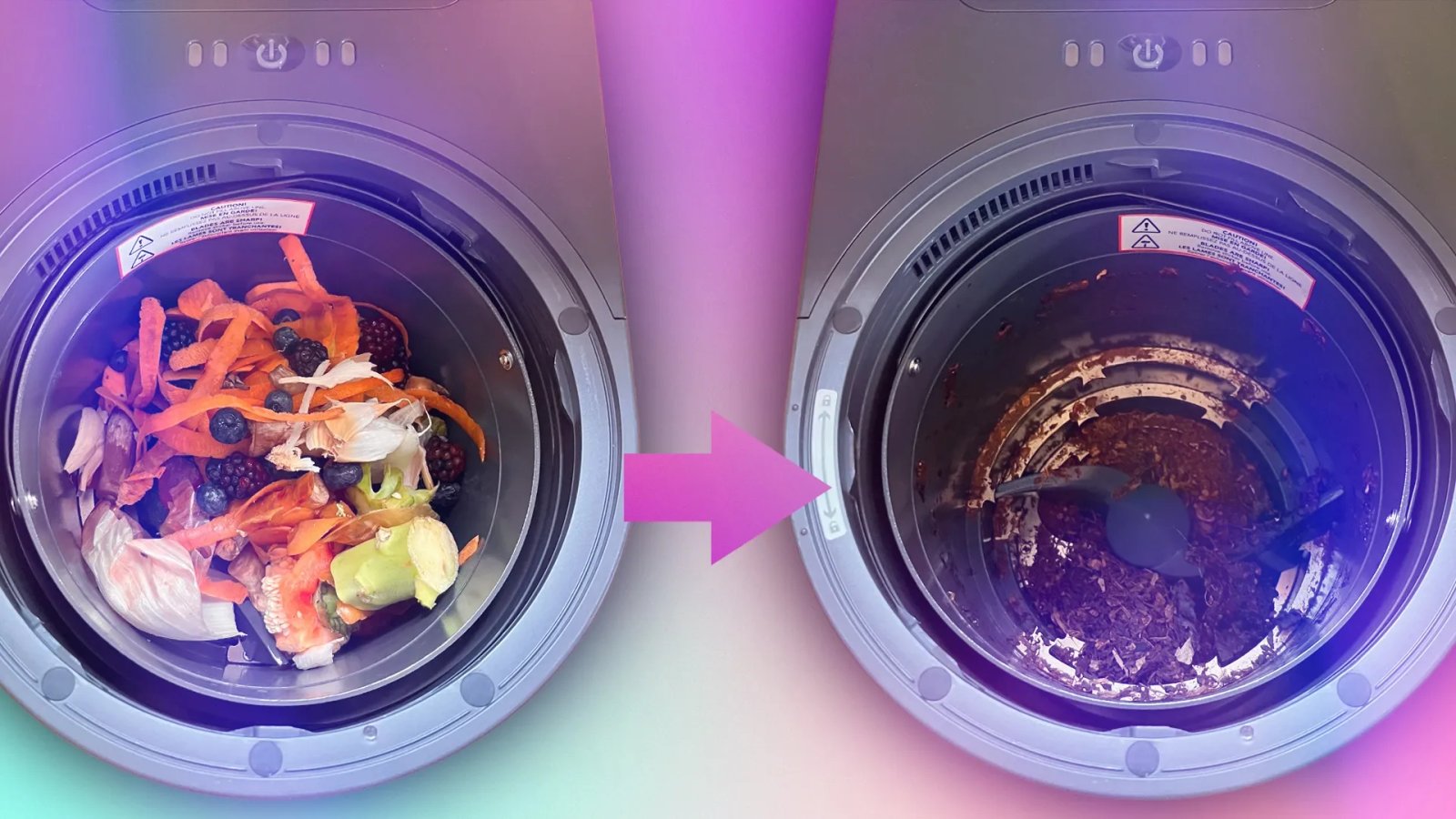
When I moved earlier this year, there was one change I wasn’t expecting: a lack of composting options. Over the previous several years, I’d gotten used to collecting all my food scraps, then tossing them into the compost bin outside my New York apartment. But now, I need a new solution to avoid throwing my food scraps directly into the trash. Enter: the FoodCycler Eco 3.
Although the Eco 3 is considered a food waste recycler rather than a composter (more on this distinction later), it still does exactly what I need it to: significantly reduce my food waste.
The company says the FoodCycler can reduce food waste by up to 90%, and, admittedly, I didn’t fully believe this claim until I tested it. I collected my food scraps for more than a week, then tossed them into the Eco 3 bucket and turned the machine on with the push of a button. After about five hours, the scraps were reduced to a couple of measly handfuls of dry material. I couldn’t wait to collect more.
Reducing food waste does much more than lighten your trash bag. It can also lighten the burden on the planet by keeping that waste out of landfills. According to the Natural Resources Defense Council, an international environmental nonprofit organization, household food scraps account for about 40% to 50% of total food waste in the US. I, for one, no longer want to contribute to that statistic.
How the Eco 3 works
The Eco 3, which is a smaller version of the 5-liter Eco 5, breaks down food waste in three steps. First, it heats the food scraps placed in the machine, then uses “Vortech,” the company’s patented grinding technology, to break down the food waste with internal blades. After it breaks them down, the machine cools the scraps before the cycle is complete.
During operation, I heard occasional thumps, but otherwise the machine was extremely quiet (most of the time I forgot it was running altogether). It took about five hours to break down the scraps I placed inside, which included broccoli stems, carrot shavings, garlic and onion peels and eggshells. When I opened the lid, I was amazed at how little was left. A nearly full 3.5-liter bucket of scraps was now only a couple of handfuls of dry material.
One of the best surprises was that when I opened the bin, there was no smell at all, thanks to the refillable carbon filter that absorbs any food smells.

What’s created during this relatively short process is something the company has dubbed foodilizer. It can be mixed in with soil, added to traditional compost piles, donated to local farmers or tossed into a yard waste bin. FoodCycler recommends adding two to three cups of foodilizer to every 30 gallons of compost.
The Eco 5 is also fairly modest in size, measuring 11 inches high and 9 inches wide with a depth of 13 inches. If I had a larger kitchen, I wouldn’t mind this machine sitting on the countertop, but since I don’t have any extra space at the moment, I have it tucked into the corner of my dining room where it blends in perfectly.
Compost versus “foodilizer”
Traditional compost takes several months, and sometimes even longer, to fully decompose, whereas foodilizer made by the FoodCycler is created the same day.
Because the Eco 3 dehydrates food scraps with heat, the foodilizer lacks the beneficial microorganisms found in traditional compost. This is why foodilizer doesn’t immediately improve soil the same way compost does.
Think of compost as a nutrient-rich soil addition that improves your soil and retains moisture, while foodilizer is simply dehydrated food waste. While foodilizer can be added to outdoor soil, it must decompose in natural soil (or in compost piles) before it’s as beneficial to plant roots as true compost.
Even if you don’t use it in your garden and simply toss your foodilizer into a yard waste bin, you’re still dramatically reducing your food waste every single time you run your FoodCycler.
But an investment like this doesn’t come cheap. The FoodCycler Eco 3 is $400 while the larger-capacity Eco 5 is $500. However, if you plan to use this machine to replace a paid composting service, it will easily pay for itself over time.

See full bio