dailynewsnblog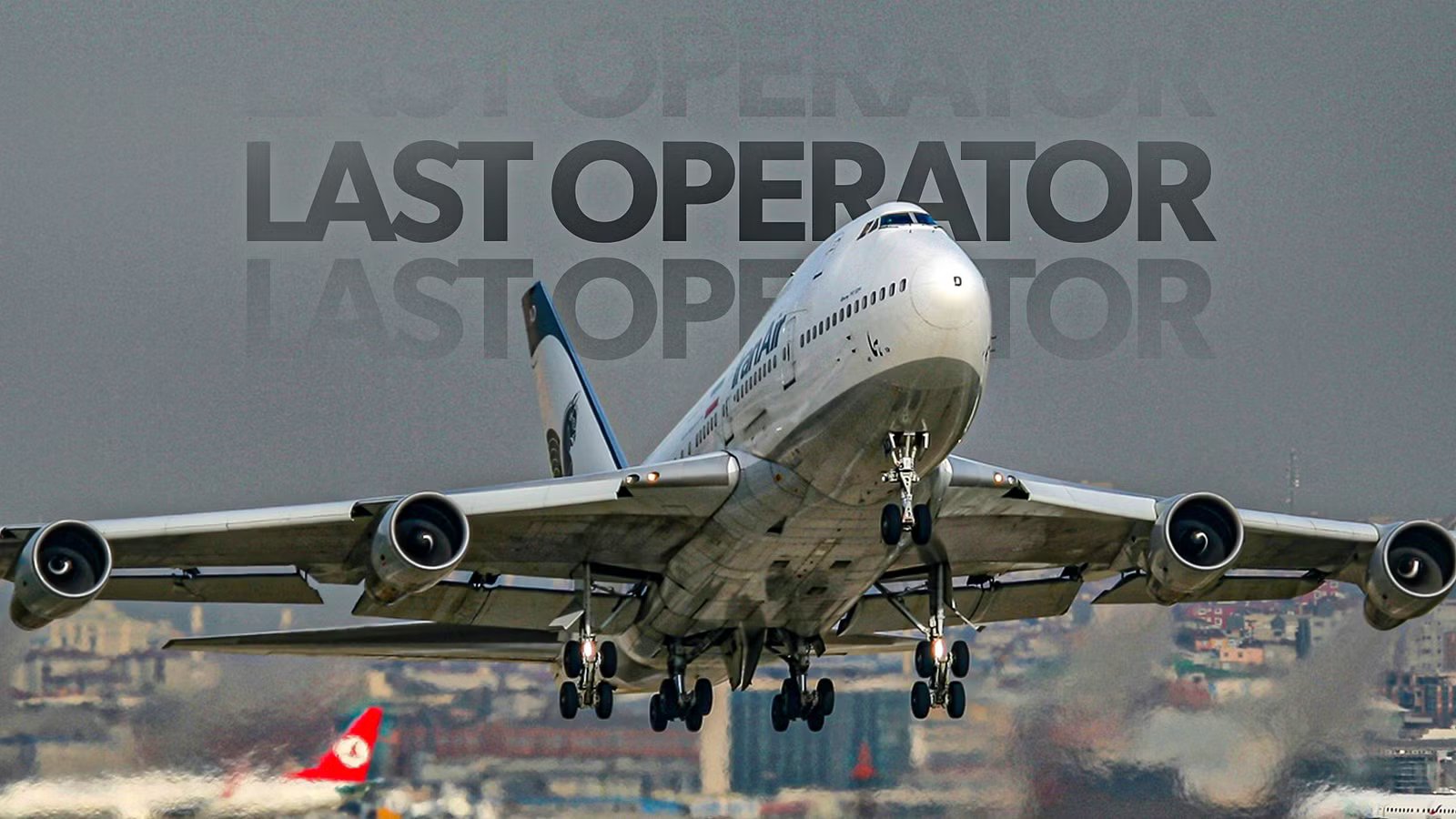
The history of commercial aviation is filled with iconic aircraft that defined eras, but few variants possess a legacy as specialized as the Boeing 747SP. Designed as a short-fuselage, ultra-long-range offshoot of the classic jumbo jet, this rare widebody found its final commercial stop with Iran Air. This guide explores the unique operational history of the type, detailing how a single airline maintained the world’s last active passenger fleet of these structural marvels.
Major international carriers rapidly phased out the variant in favor of highly efficient twin-engine aircraft by the turn of the century, with few staying around in global fleets. For Iran Air, however, international trade embargoes froze the Iranian aviation sector in time. Its isolation transformed what should have been an obsolete airframe into an indispensable lifeline for long-range operations. The survival of the aircraft serves as a remarkable testament to engineering resilience, illustrating how a fleet can endure decades past its expected retirement through sheer resourcefulness.
Cutting Material To Go Further

The creation of the Special Performance variant stemmed from a direct request by global airlines for an aircraft capable of conquering massive oceanic distances without refueling.  Boeing engineers approached this challenge not by building a completely new airframe from scratch, but by radically modifying their existing flagship design. Through shrinking the massive structure of the base 747 model, the manufacturing team intended to optimize the platform for long and thin routes where passenger capacity could be sacrificed for extended range.
To achieve the performance targets demanded by long-range routes, developers cut sections from both ahead of and behind the wing box. The aircraft is approximately 47 feet (14.3 meters) shorter than the standard 747-200, a modification that stripped away significant structural mass. The extensive redesign removed between 45,000 pounds (20,411.7 kg) and 50,000 pounds (22,679.6 kg) of empty weight, allowing the remaining airframe to utilize its massive fuel capacity purely for distance rather than lifting heavy fuselage sections. Additionally, the vertical stabilizer had to be heightened by five feet (1.5 meters) to compensate for the reduced aerodynamic leverage caused by the shorter tail cone, while the trailing-edge flaps were simplified to single-slotted designs to optimize high-altitude cruise efficiency.
These dramatic geometric modifications yielded an aircraft with performance capabilities that far outpaced contemporary widebodies. The specialized model boasted an operational service ceiling of 45,100 feet (13,746.5 meters), allowing it to fly well above the congested airways and turbulent weather systems that slowed down lower-altitude traffic. With a maximum range of approximately 5,830 nautical miles (10,797.2 km), it could also easily bridge distant continents that were previously unreachable without multiple refueling stops. Despite these impressive technical achievements, the niche nature of its design parameters meant that only 45 original airframes were ever constructed during the entire production run.
The Golden Era

Iran National Airlines Corporation, widely recognized by its legendary griffin emblem, became one of the original launch customers for the Special Performance variant in 1976. The carrier required an advanced aircraft that could reliably link the capital city of Tehran to important Western destinations without operational disruption. This historic fleet expansion aligned perfectly with the ambitions of the airline to scale up its international presence and offer elite travelers uncompromised transoceanic corridors.
The defining route for this shortened jumbo jet was the nonstop connection between Tehran and New York, an immense journey that pushed the limits of early commercial jet engines. Prior to the arrival of this specific model, transoceanic flights over such vast distances needed mandatory technical stops that prolonged travel times and escalated fuel costs. Iran Air used the lightweight design of the modified airframe to its advantage, successfully flying passengers directly over thousands of miles without stopping, and establishing an unprecedented benchmark for non-stop connectivity.
The strategic capability of the 747SP helped to elevate the airline into a dominant position within the global aviation landscape, providing a seamless long-haul travel option that competitive regional operators lacked. The spacious upper deck and unique main cabin arrangement quickly became highly sought after by international passengers who wished to completely avoid intermediate transit stops. At this time, it was undoubtedly a golden era of Iranian aviation, with the 747SP holding a reputation as an engineering masterpiece, long before shifting geopolitical realities altered its role.
Why The Boeing 747SP’s Ultra-Long-Range Fuselage Design Will Be Nearly Impossible To Replicate In 2026
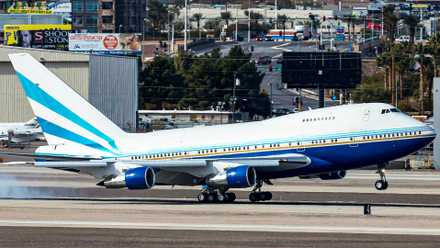
The Boeing 747SP remains one of the most unique aircraft in commercial aviation history.
Keeping Alive Well Past The Due Date

The introduction of sweeping international trade embargoes was what shaped the operational destiny of these specialized jumbo jets within the region. Instead of following the typical lifecycle of modern commercial aircraft, which usually involves retirement and replacement after two decades of active service, these airframes became vital lifelines. The resulting commercial isolation paused what would be considered traditional fleet progression, preventing the flag carrier from sourcing modern long-range equipment from traditional global suppliers.
The resulting economic freeze became permanent when a multi-billion-dollar agreement designed to modernize the aging commercial fleet was entirely suspended due to changing regulatory laws. The landmark commercial agreement with American aerospace manufacturers was valued at $16.5 billion and aimed to introduce 80 brand-new jetliners to replace older equipment. The abrupt cancellation of this massive order left the airline with no viable alternative but to continue flying its historical fleet, driving the average fleet age past 18 years even today.
Aircraft Model Group | Quantity Ordered | Intended Fleet Role |
Boeing 737 MAX 8 | 50 units | Short to medium haul domestic and regional routes |
Boeing 777-300ER | 15 units | High-capacity international long haul trunk routes |
Boeing 777-9 | 15 units | Next-generation ultra-long-range flagship operations |
Managing this extended operational timeline inevitably meant having incredible commitment to maintenance safety under severely limited operating environments. International airlines were routinely transitioning to highly efficient twin-engine composite aircraft, and technicians in Tehran were instead left with no choice but to master the art of keeping classic systems active with zero external factory support. Such a unique challenge turned local maintenance hangars into specialized engineering laboratories, setting the stage for a creative structural survival strategy.
Reuse & Recycle

Operating a vintage widebody fleet under strict embargoes led to an entirely new approach to maintenance logistics and inventory management. Without access to genuine spare parts from the original equipment manufacturer, engineers could no longer look to traditional supply chains to address routine mechanical wear. To ensure that at least a single airframe could safely maintain scheduled passenger service, the technical team implemented a rigorous system of recycling parts from within their existing asset base.
Iran Air’s preservation strategy focused intensely on keeping a final specific 747SP, registered under the tail number EP-IAC, fully airworthy for scheduled international flights. To successfully achieve this goal, ground crews harvested vital components and instruments from three retired sister ships: EP-IAA, EP-IAB, and EP-IAD. The process allowed mechanics to carefully exchange aging avionics, engine components, and landing gear parts to make sure the lone remaining flagship could continuously pass safety inspections.
Airframe Registration | Delivery Year | Final Operational Fate |
EP-IAA | 1976 | Retired and stored for components after decades of service |
EP-IAB | 1976 | Withdrawn from active service and scrapped for spare parts |
EP-IAC | 1977 | Operated as the world’s last active commercial passenger 747SP |
EP-IAD | 1979 | Permanently grounded and utilized as a primary maintenance donor |
Through the intense recycling exercises undertaken, the airline could stretch the mechanical lifecycle of the variant far beyond its initial design limits. Every successful flight completed by the surviving widebody was the direct result of thousands of hours of intense labor performed by specialists completely cut off from external technical assistance. While this resourceful approach successfully kept the classic silhouette of the jumbo jet in the skies, it also perfectly illustrated the deep operational challenges of managing a fleet under total isolation.
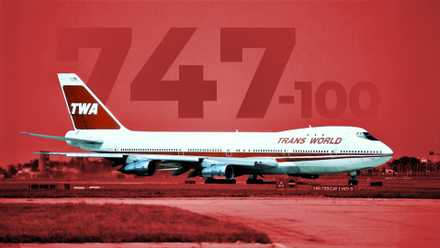
Are There Any Boeing 747-100s Still Flying?
Discover the fate of the first-generation jumbo jets.
Not Well Received

An aircraft of the 747SP’s credentials and capabilities was actually not overly popular amongst the carriers of the time. Outside of isolated markets, elite carriers like Pan Am, TWA, and Qantas, the latter of which relied on the type for operating out of short runways, began removing the shortened jumbo from their frontline networks within a decade of its introduction. The premature departure of the type from international hubs presents a classic case study in how rapidly changing aerospace economics can transform a specialized engineering triumph into a financial liability.
The main catalyst for this widespread abandonment was the rapid evolution of engine technology and the subsequent rise of high-efficiency twin-engine widebodies. The shortened design offered unparalleled range in the late 1970s, but it retained the high maintenance overhead and heavy fuel burn of four distinct Pratt & Whitney JT9D turbofans. As soon as manufacturers developed extended-range twin-engine aircraft capable of crossing oceans safely, the economic argument for operating a highly specialized four-engine jetliner evaporated. The niche model carried fewer passengers than a standard classic jumbo but burned nearly the same volume of fuel, causing its seat-mile costs to skyrocket.
Furthermore, the arrival of the advanced Boeing 747-400 in the late 1980s delivered the final blow to the commercial viability of the variant. This newer flagship combined a full-length passenger cabin with advanced aerodynamic winglets and upgraded powerplants, easily matching or exceeding the range of the older, shortened model without sacrificing payload capacity. Airlines no longer had to accept a severe capacity penalty to achieve non-stop transoceanic reach, dooming the specialized variant to a quiet retirement or a secondary life in government and VIP transport fleets.
The Final Trip

The service of this shortened jumbo jet in commercial passenger operations reached its absolute conclusion in May 2018. Its last passenger-carrying flight was in 2016, but the lone surviving active airframe, EP-IAC, performed a brief repositioning flight from Imam Khomeini International Airport to Mehrabad International Airport in Tehran, marking the official end of the type’s commercial passenger chronology. This final flight drew the curtain on over four decades of continuous service, moving the aircraft from an active international lifeline into the realm of aviation history.
Extending the survival of this fleet highlights just how geopolitical constraints can decouple an asset from standard market forces. In a normalized economic landscape, an aircraft is retired the moment its operational costs surpass the revenue potential of newer, more efficient alternatives. Under total isolation, however, the primary metric of success shifts entirely from fuel efficiency to availability, demonstrating that mechanical resourcefulness can override traditional obsolescence.
Today, the legacy of the Special Performance variant lives on through a handful of non-commercial testbeds and state VIP transports that continue to utilize the unique airframe for specialized missions. While passengers can no longer experience the distinctive roar of its four classic engines from a commercial cabin, the structural innovations pioneered by the model laid the foundational groundwork for the ultra-long-range twin-jets that dominate international flight paths today. The stubby silhouette remains a highly celebrated milestone in the relentless pursuit of non-stop global connectivity.