dailynewsnblog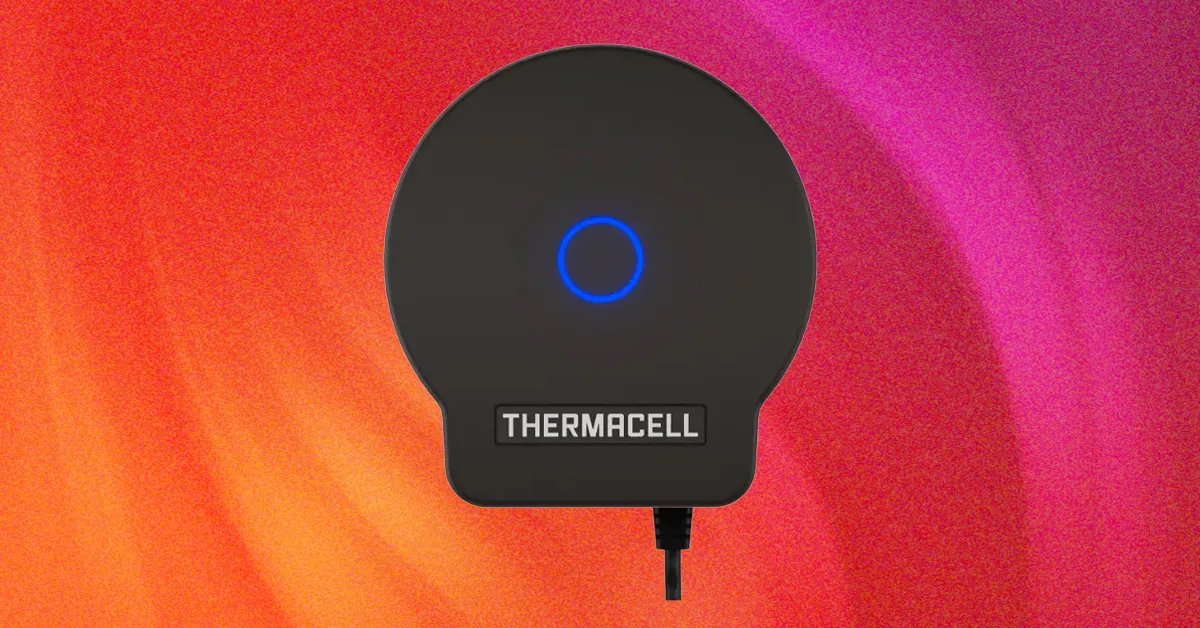
Four years ago, I moved back to Texas from California. After two weeks of living here, I realized we were going to have to do something about the mosquitoes. In the 25 years I’d been gone, they seemed to have grown larger, more intelligent, and much thirstier. My skin had become a bepoxed nightmare within days.
I immediately embarked on a mission to do something, anything, about the problem, quickly resorting to paying a local company to send a guy with a pesticide-blasting cannon strapped to his back to the house once every three weeks. The cannon, used to blast all the foliage on the property, was expensive—four figures yearly—and very effective at warding off bugs … for a mere 48 to 72 hours after each spraying, after which it would wear off and the mosquitoes would return with bloodthirsty vengeance.
It took two years for me to find something better, and I wrote about it extensively for WIRED. Thermacell is a leader in mosquito abatement, and its LIV Smart Mosquito Repellent System is the company’s top-tier product. While it produces various small-scale repellers designed for personal use, LIV is a different animal that is installed semi-permanently around the area you want to protect. You fire it up when you need it, then shut it down when you’re safely inside.
Now two years after that review, Thermacell has upgraded most of the LIV components (only the cabling remains the same) and dubbed the system LIV 2.0. The company recently provided me with all the new hardware so I could test whether and how the technology had improved.
Similar Story, Updated Look
Conceptually, you won’t find any big twists in LIV 2.0. The brains of the system include one or more Wi-Fi-connected control hubs. These plug into wall power and connect via lengths of cable to multiple pesticide-emitting repellers laid out in a daisy chain, which you arrange in a perimeter around the area you’re trying to protect (in my case, the swimming pool). Repellers can be placed up to 20 feet apart from each other, and each contains a replaceable vial of the chemical metofluthrin, which mosquitoes detest (though, take note, it doesn’t typically kill them). With the original LIV, I used two hubs and five repellers to ring my pool. This year I added a sixth repeller to enhance coverage in one corner where I worried mosquitoes were sneaking through a hole in the vaporous fence.

Photograph: Christopher Null