dailynewsnblog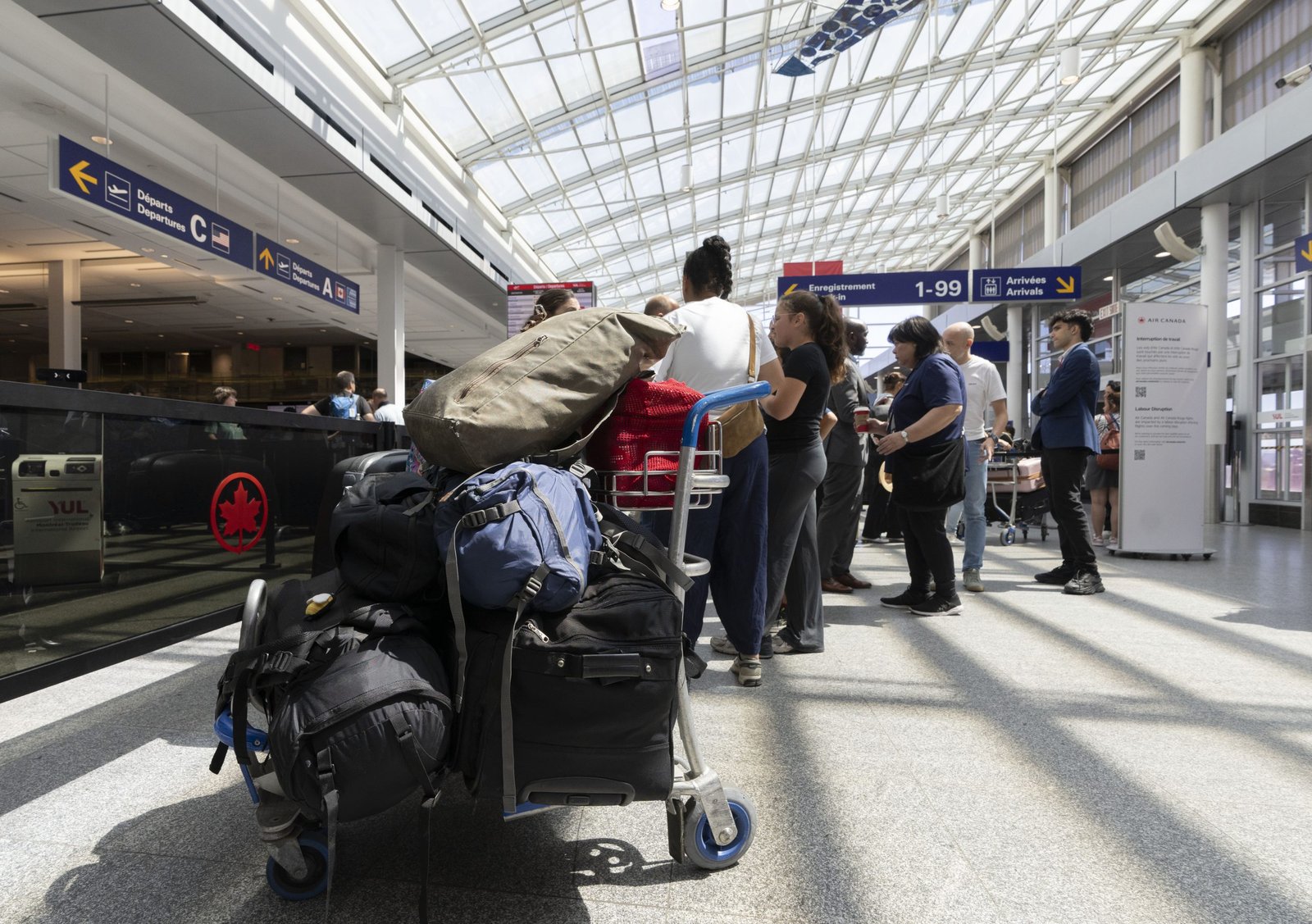
Private investors don’t put billions into airports unless they expect to make billions back. And that is the part of the equation Canadians should be looking at.
The federal government brought some of the world’s biggest investors to Toronto this week to make the case for investing in Canada. Now it is proposing to bring private investors into Canada’s major airports, potentially unlocking tens of billions of dollars for new infrastructure.
It sounds like a good deal. Keep the airports, get the money, build more.
But there is no free money in airport privatization.
Private investors don’t put billions into airports unless they expect to make billions back. And that is the part of the equation Canadians should be looking at.
We need investment in Canada. We need to build housing and infrastructure, strengthen public services, create good jobs, and make more of the things we need here at home.
Investment should leave us with more, not give private investors a claim on what we already have.
The government is proposing long-term concessions at Canada’s major airports. The underlying land and assets would remain publicly owned, while private investors would gain access to airport revenues over decades.
And the government is pointing to Australia as a model. Which is helpful, because Australia gives us a pretty good idea of what comes next.
In our new report, Public Runways, Private Profits, the Canadian Labour Congress looked at what happened there and what it could mean for Canada.
We estimate private investors would need Canada’s airports to generate 15 to 20 percent more revenue than under the current model to provide competitive returns.
In Australia, passengers and workers paid the price.
At Perth Airport, the amount collected from airlines for each passenger rose by more than 60 percent over a decade. At Sydney Airport, 40 percent of the workforce was cut once post-sale job protections expired. That same year, the airport reported a $376 million profit.
Canada hardly needs more pressure in either direction. Flying is already expensive. Airport workers already face outsourcing, unstable contracts, low wages, and chronic understaffing.
These are the people who keep our airports running, from moving bags and keeping terminals safe and clean, to helping millions of passengers get where they need to go.
We should be focused on making those jobs better, improving service, and bringing down the cost of travel for Canadians.
Privatization doesn’t solve the problems we already have. It adds another demand on the system.
Today, Canada’s airports operate on a not-for-profit basis. Revenues are reinvested in the airports, while airport rents return roughly $525 million a year to the federal government, or $7.3 billion since the current model began.
Private investors aren’t interested in our airports because they’re broken. They’re interested because they’re valuable.
That may be a financing strategy. It isn’t free money.
This is ultimately a question about what kind of investment Canada needs right now.
Trump’s trade war has exposed the cost of depending too heavily on others for the things we need. Canada has responded with a new determination to invest at home, strengthen our economy, and take greater control of our future.
That should mean building new housing and infrastructure, strengthening public services, supporting Canadian industries, and creating good union jobs.
Canada absolutely needs investment. But we won’t build a stronger, more secure country by selling pieces of it to the highest bidder.
Lily Chang is the secretary-treasurer of the Canadian Labour Congress.
The views, opinions and positions expressed by all iPolitics columnists and contributors are the author’s alone. They do not inherently or expressly reflect the views, opinions and/or positions of iPolitics.