dailynewsnblog
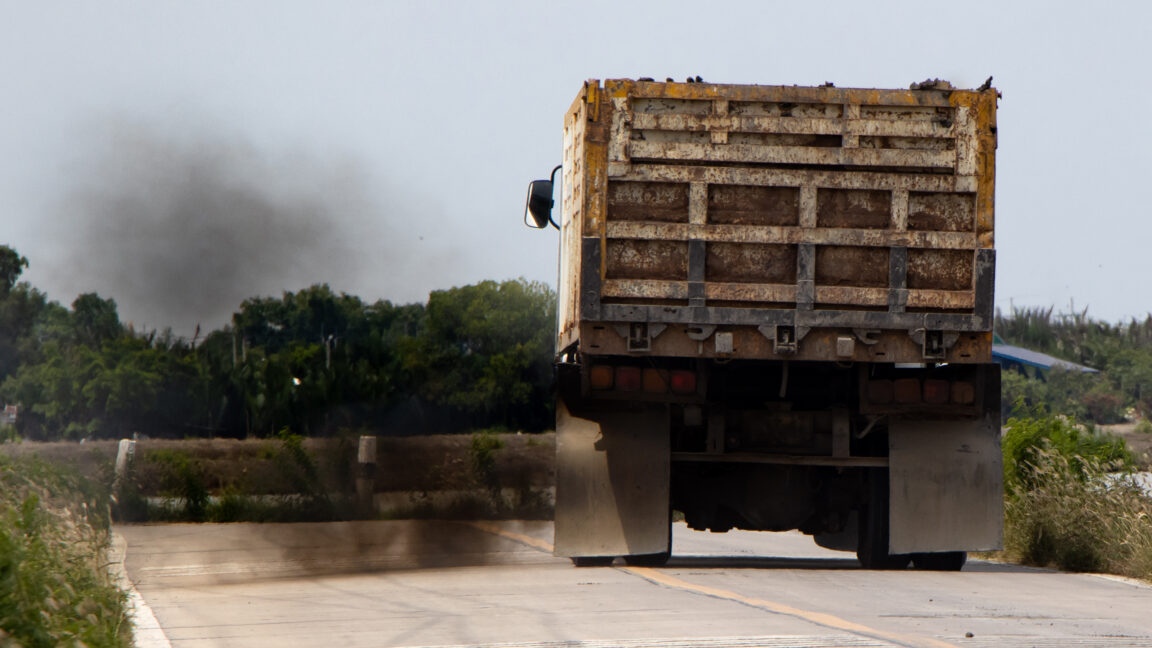
Although climate change is the primary motivation behind electric vehicle adoption, it isn’t the only consideration. Removing internal combustion engines from the road directly saves lives by reducing airborne pollutants that can cause and trigger asthma and other lung diseases.
Now, a report from the International Council on Clean Transportation has tried to quantify that effect, comparing various electrification scenarios over the next couple of decades. Currently, more than 41,800 premature deaths are attributable to air pollution from road transport, the ICCT says.
We’ve long known that living near a busy road is associated with worse health outcomes. Combustion products like nitrogen oxides (NOx), carbon monoxide (CO), particulates (PMs), and volatile organic compounds (VOCs) are all found around highways and busy intersections in concentrations high enough to cause health effects, and studies have repeatedly shown that living close to a major roadway is associated with increased mortality.
The ICCT worked with the FIA Foundation—yes, the road safety nonprofit is related to the same FIA that’s in charge of F1 and other global motorsport—to create a model to estimate road transport emissions through to 2050. The model included light-duty vehicles (passenger cars and trucks), heavy-duty vehicles (delivery trucks, buses, tractor-trailers, etc), and two- and three-wheel vehicles. It predicted levels of NOx, black carbon and organic carbon, sulfur oxides, ammonia, CO, and VOCs.
The study then calculated the heart impacts from conditions like asthma, chronic obstructive pulmonary disease (COPD), diabetes, ischemic heart disease, lung cancer, and stroke (all linked to PM2.5 exposure and ozone exposure), as well as pediatric asthma incidence caused by NOx and NOx-attributable premature mortality in adults.
Several scenarios were then run. The primary reference scenario uses August 2025 as the baseline, with a US government that’s openly hostile to the idea of clean energy. Another scenario considers what would happen if there is an ambitious effort to adopt EVs, assuming that 100 percent of all vehicles are zero-emissions by 2045, with some regions going all-EV for light vehicles by 2035 and for heavy vehicles by 2040.