dailynewsnblog
“This is not COVID. This is not influenza. It spreads very, very differently,” Maria Van Kerkhove, WHO’s acting director for epidemic and pandemic management, emphasized in a press briefing Thursday.
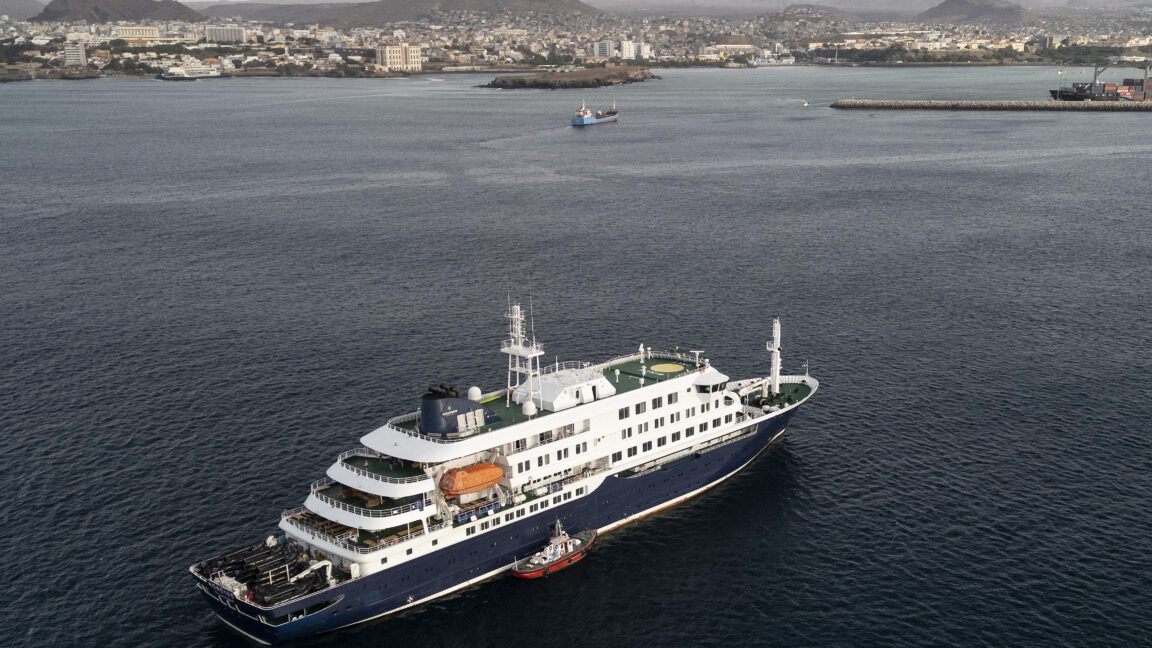
Given the nature of this virus and the precautions and monitoring already in place, “the risk of widespread transmission to the general public is extremely low,” Michael Marks, an infectious disease expert and professor at the London School of Hygiene & Tropical Medicine, said in a statement Thursday.
The comments echo a reassuring risk assessment on Wednesday from the European Centre for Disease Prevention and Control, which elaborated that even if there is disease spread from passengers evacuated from the ship, the virus “does not transmit easily so it is unlikely that it would cause many cases or a widespread outbreak in the community, if infection prevention and control measures are applied.”
The US Centers for Disease Control and Prevention also deemed the risk to the American public to be “extremely low” in a brief statement on Wednesday evening.
So why are infectious disease experts and health officials so confident this is not going to mushroom into another global health crisis?
Here’s what we know about this virus and the outbreak
Hantaviruses
The virus spreading on the ship is a member of the large hantavirus family, which is spread out worldwide. These are enveloped, negative-strand RNA viruses whose genomes consist of three segments.
So-called Old World hantaviruses (including Hantaan, Seoul, Puumala, and Dobrava-Belgrade) are found in Africa, Asia, and Europe, with hotspots of activity in China, Korea, Russia, and certain European countries. The first awareness of these viruses dates back to the 1950s, with disease in soldiers fighting in the Korean War. These viruses cause hemorrhagic fever with renal syndrome (HFRS), a disease marked by fever, bleeding, and kidney damage. Depending on the specific hantavirus virus involved, mortality rates are roughly between 1–15 percent.