dailynewsnblog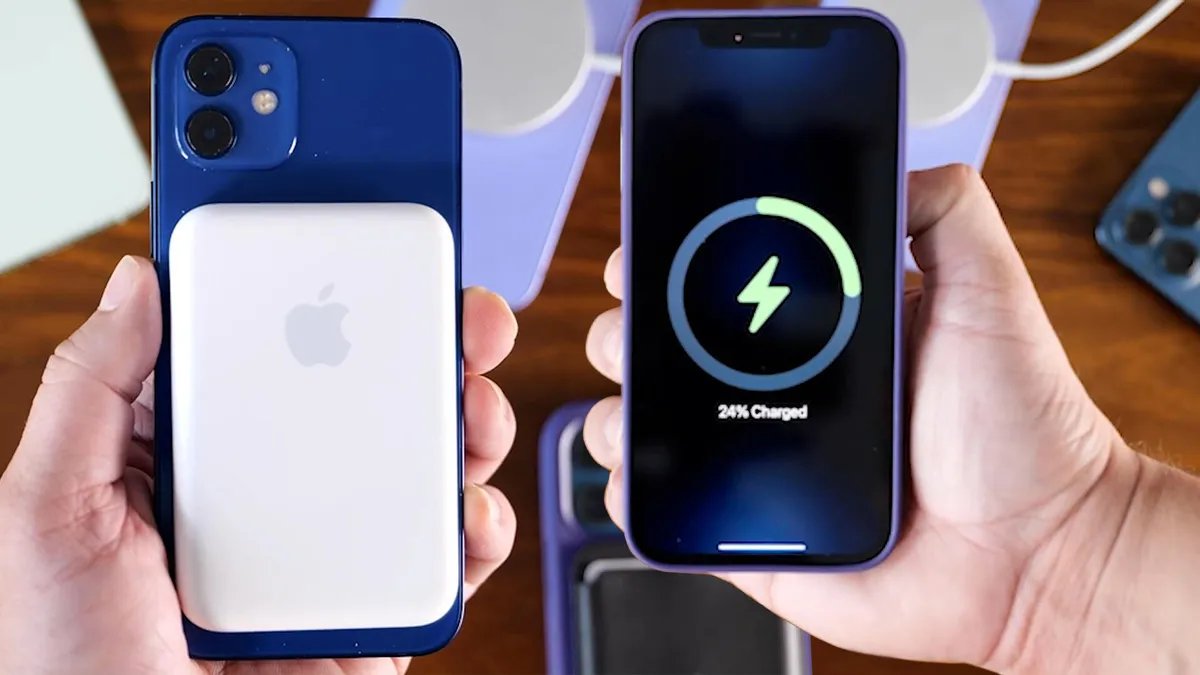
There’s something satisfying about waking up to a phone sitting at a full 100%, but that comfort is coming at a cost. Lithium-ion batteries, the ones inside virtually every modern phone, hate sitting at the extremes of their charge range, and parking yours at full power for hours every night is quietly putting it under constant stress. The end result is a battery that wears out noticeably faster than it has to, all in exchange for a habit you probably don’t even need.
Keeping a lithium-ion cell pinned at 100% creates voltage stress, and the heat generated from sitting on a charger could end up meaning the difference between keeping your current phone a little longer or having to buy a new one. So once and for all, does keeping your phone plugged in really hurt the battery? Here’s what the experts suggest.
It isn’t about immediate damage but rather how fast your battery ages over time. Understanding the difference between what will and won’t break your phone is key. Here is the truth about your charging habits.
The science behind battery wear
Battery health is not just about how many times you charge your phone. It is also about how it manages voltage, temperature and maintenance. Lithium-ion batteries age fastest when they are exposed to extreme levels: 0% and 100%.
Keeping these batteries near full charge for long stretches of time puts additional voltage stress on the cathode and electrolyte. This is why many devices use “trickle charging” or temporarily pause at 100%, topping up only when needed.
Still, the biggest threat is not overcharging, but heat. When your phone is plugged in and running demanding apps, it produces heat that accelerates chemical wear inside the battery. If you are gaming, streaming or charging on a hot day, that extra warmth does far more harm than leaving the cable plugged in overnight.
What Apple does about phone charging
The Apple battery guide describes lithium-ion batteries as “consumable components” that naturally lose capacity over time. To slow that decline, iPhones use Optimized Battery Charging, which learns your daily routine and pauses charging at about 80% until just before you typically unplug, reducing time spent at high voltage.
Apple also advises keeping devices between 0 and 35 degrees Celsius (32 and 95 degrees Fahrenheit) and removing certain cases while charging to improve heat dissipation. You can read more on the official Apple battery support page.
What Samsung (and other Android makers) do
Samsung offers a similar feature called Battery Protect, found in the One UI battery and device care settings. When enabled, it caps charging at 85%, which helps reduce stress during long charging sessions.
Other Android makers like Google, OnePlus and Xiaomi include comparable options — often called Adaptive Charging, Optimized Charging or Battery Care — that dynamically slow power delivery or limit charge based on your habits. These systems make it safe to leave your phone plugged in for extended periods without fear of overcharging.
When constant charging can hurt
Even with these safeguards, some conditions can accelerate battery wear. As mentioned before, the most common culprit is high temperatures. Even for a short period of time, leaving your phone charging in direct sunlight, in a car or under a pillow can push temperatures into unsafe zones.
Heavy use, such as gaming or 4K video editing, while charging can also cause temperature spikes which can degrade the battery faster. And cheap, uncertified cables or adapters may deliver unstable current that stresses cells. If your battery is already several years old, it will naturally be more sensitive to this kind of strain.
A smarter way to charge a phone
There is no need to overhaul your habits, but a few tweaks can help your battery age gracefully. Start by turning on the optimization tools on your phone: Optimized Battery Charging on iPhones, Battery Protect on Samsung devices and Adaptive Charging on Google Pixels. These systems learn your routine and adjust charging speed so your phone is not sitting at 100% all night.
Keep your phone cool while charging. According to Apple, phone batteries perform best between 62 and 72 degrees Fahrenheit (16 to 22 degrees Celsius). If your phone feels hot, remove its case or move it to a better ventilated or shaded spot. Avoid tossing your phone under a pillow or too close to other electronics, like your laptop. Skip wireless chargers that trap heat overnight. Use quality chargers and cables from your phone manufacturer or trusted brands. Those cheap “fast-charge” kits you find online often deliver inconsistent current, which can cause long-term issues.
Finally, try not to obsess over topping off the charge. It is perfectly fine to plug in your phone during the day for short bursts. Lithium-ion batteries actually prefer frequent, shallow charges rather than deep full cycles. There is no need to keep it between 20% and 80% all the time, but just avoid extremes when possible.
The bottom line
Keeping your phone plugged in overnight or on your desk all day will not destroy its battery. That is a leftover myth from a different era of tech. Modern phones are smart enough to protect themselves, and features such as Optimized Battery Charging or Battery Protect do most of the heavy lifting for you.
Still, no battery lasts forever. The best way to slow the inevitable is to manage heat, use quality chargers and let the software on your phone do its job. Think of it less as “babying” your battery and more as charging with intention. A few mindful habits today can keep your phone running strong for years to come.