dailynewsnblog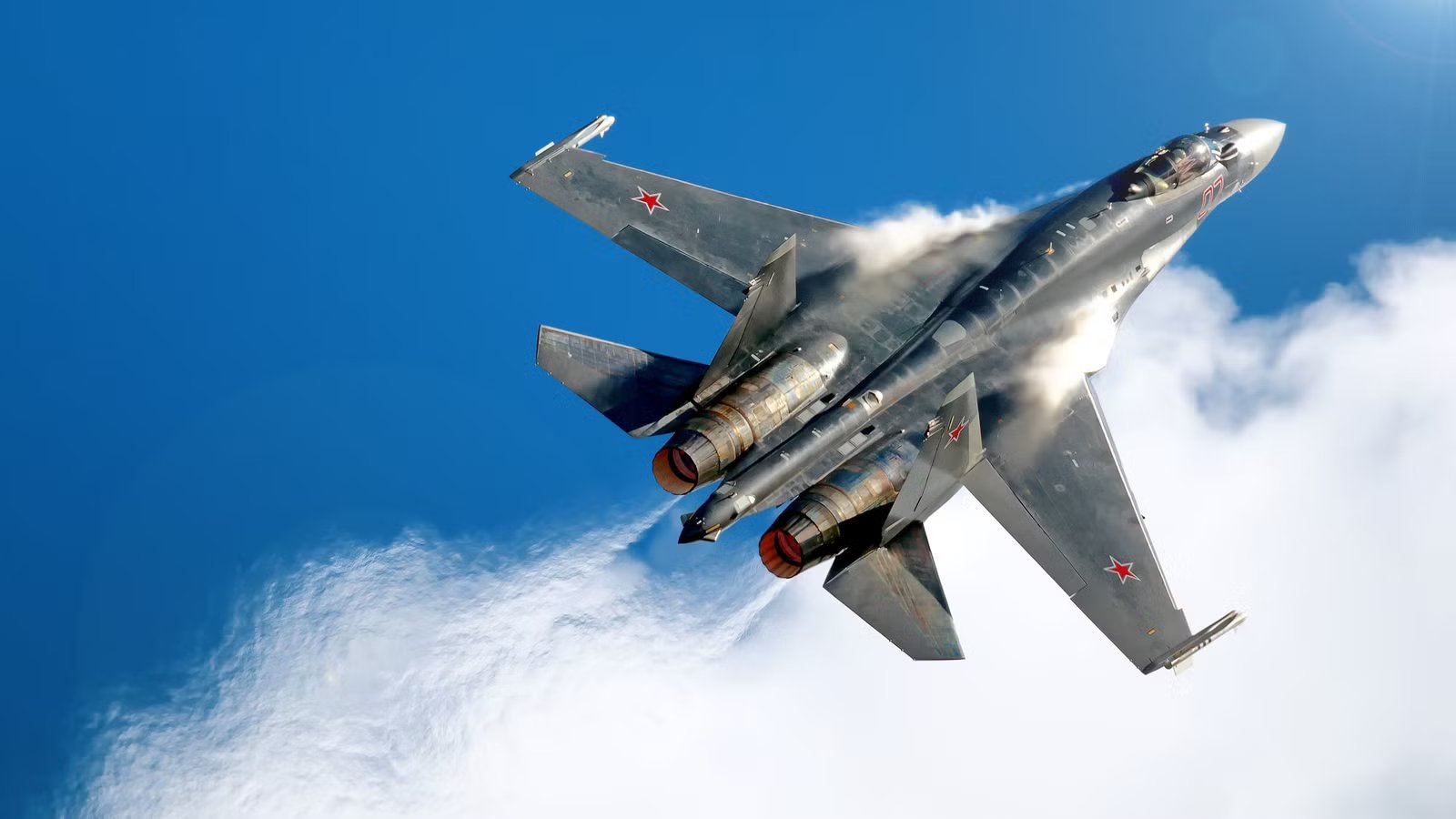
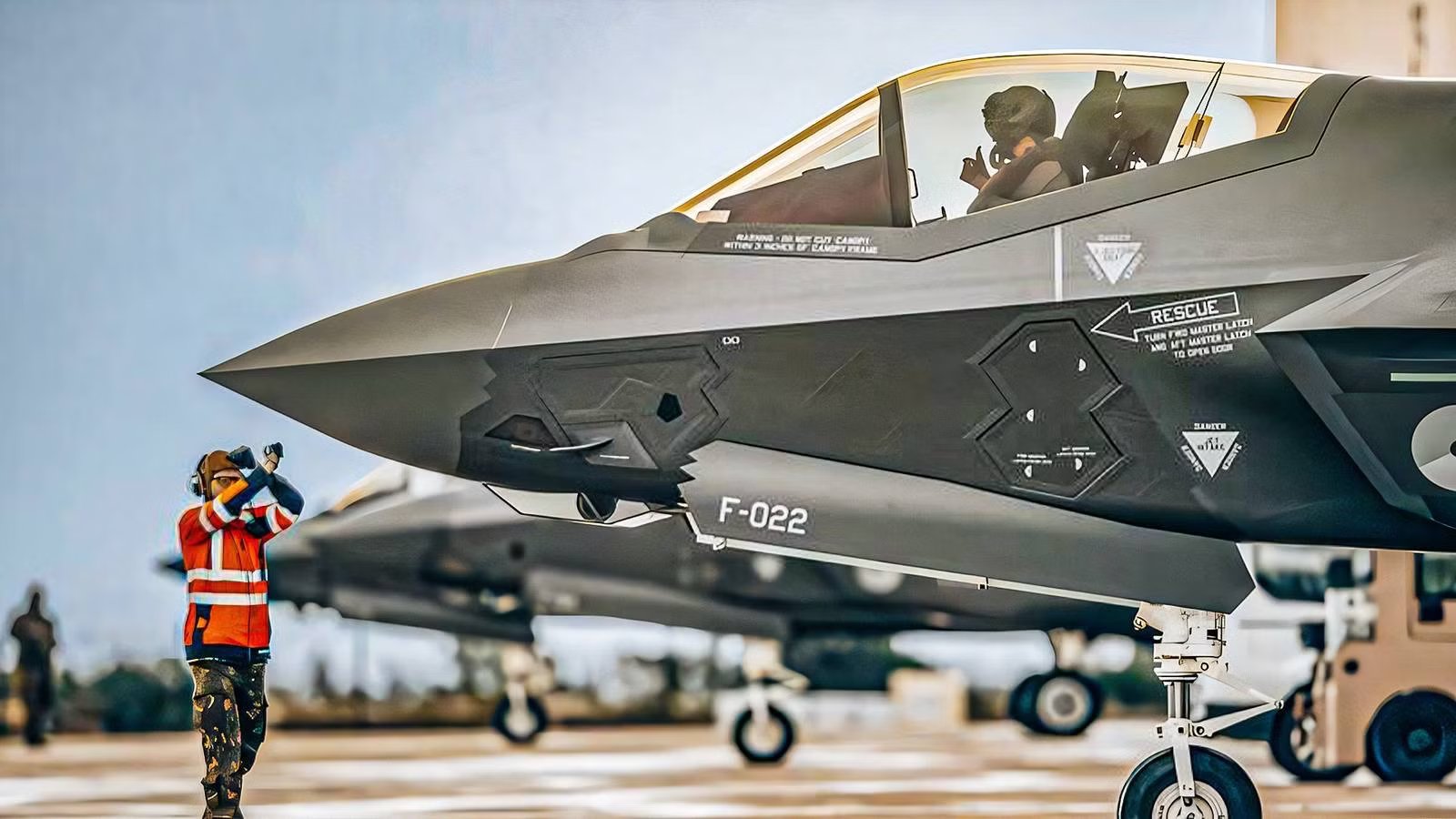
The move away from Soviet/Russian fighter jets has been unfolding since the end of the Cold War and has come in waves. There are many reasons why countries around the world are moving away from Russian fighter jets, with those reasons compounding over time. Today, Russia is left with a diminishing pool of loyal customers (e.g., Algeria, Kazakhstan, Belarus, Myanmar, Iran) that continue to purchase Russian jets, often for geopolitically influenced reasons.
One example of what is happening is Bangladesh. In 2021, Bangladesh ordered Russian-built Mi-171A2 helicopters for its police in 2021. However, after a change of government and that government learning about US sanctions, the country was reported in 2025 to be in a dilemma about what to do. If it accepts the helicopters, it risks US sanctions; if it doesn’t, it loses its deposit. Per the most recent reporting, the copters remain stuck in Russia. Another example (discussed below) is the debacle Colombia is experiencing with maintaining its Russian-built helicopters.
Waves Of Abandoning Russian Jets

The first major wave against Soviet/Russian fighter jets came in 1991 as the USSR collapsed. The collapse ended Soviet state-sponsoring of sales on extremely favorable terms to allies like Cuba and North Korea. Since then, neither country has purchased Russian jets. In 1991, Cuba had the largest air force in Latin America, and as of mid-2026, none of those legacy jets are thought to be operational.
After the Soviet collapse, the world became less polarized, and countries could have more flexibility in where they purchased their fighter jets from. Eastern European countries retained their Soviet-era fighters, but none (apart from Serbia and Belarus) purchased new ones. As those legacy jets age out, the era of Soviet/Russian jets ends in those countries. Another major factor was the rise of China’s domestic fighter jet base. China received its final Russian Su-35S in 2019, and now it produces its own more advanced fighter jets.
Another wave came in 2014, with the annexation of Crimea and sanctions on Russia. This was followed by the US passing the CAATSA Act in 2017, which imposed sanctions on countries purchasing Russian jets. Finally, there was the Russian invasion of Ukraine in 2022 that triggered a new bout of sanctions. Since 2022, the phase-out of Russian jets around the world has accelerated. Countries like India still produce licensed domestic variants of the Su-30MKI in small numbers (to replace mishaps), but it is pivoting to French Rafales and its own Tejas for its future fleet.
The Wave Of Post-CAATSA Cancelations

The US CAATSA Act explicitly targets third-party Russian arms deals with some nuances. The act also targets countries purchasing North Korean and Iranian advanced weapons, but not Chinese weapons. Washington debated adding China to the list, but decided not to. CAATSA is used somewhat selectively, targeting high-value Russian sales like fighter jets, helicopters, and S-400s, but not lower-level systems like ammunition or (seemingly) even Yak-130s.
It also gives Congress the ability to provide exemptions for countries on a case-by-case basis. For example, India’s acquisition of S-400s was exempted, but Turkey’s acquisition of S-400 saw it kicked out of the F-35 program and its deposit not refunded. Kazakhstan is typically seen as a special case and exempted, while Algeria is mostly ignored. The act has little impact on countries already sanctioned by the US, like Iran, North Korea, Cuba, or Venezuela (at least pre-2026 Venezuela).
Select countries phasing out Soviet/Russian fighter jets | Former Soviet/Russian aircraft | Replacement aircraft | Phase out date |
|---|---|---|---|
Poland | Su-22s, MiG-29s | F-35s, KA-50s | Around 2026 |
Slovakia | MiG-29s | F-16s | 2024 |
Bulgaria | MiG-27s, Su-25s | F-16s | 2027 |
Croatia | MiG-21s | Rafales | 2025 |
Serbia | MiG-29s | Rafales | Before 2030 |
Romania | MiG-21s | F-16s, F-35s | 2023 |
Ukraine | MiG-29s, Su-24s, Su-25s, Su-27s | Gripens, Rafales, F-16s, Mirages | Post-war |
Peru | Su-25s, MiG-29s | F-16s | Before 2030 |
Cuba | MiG-21s, MiG-23, MiG-29 | none | None operational |
Syria | MiG-21s, MiG-23s, MiG-29s, Su-24s | none | None operational |
Azerbaijan | MiG-29s | JF-17s | Partial phase out (Su-25s) |
The passage of the act triggered a wave of cancellations, with Indonesia cancelling its order for 11 Su-35S in 2019, Egypt cancelling its 20-strong Su-35S order in 2019, and the Philippines cancelling its order for Mi-171 helicopters in 2018. Countries early in their selection process (like Serbia) were expected to purchase Russian jets, but then purchased French Rafales. Vietnam’s purchase of Yak-130 trainers from Russia was overlooked, but the country has not purchased frontline fighter jets. Instead, it is considering US F-16s.
Analysis: Will Iran Get Its Su-35s From Russia?
Russia proposes to upgrade the Iran’s fighter jet fleet with the Su-35. But what’s the truth vs. the propaganda behind this story?
The 2014 & 2022 Sanctions

Besides the passage of CAATSA in 2017, waves of Western sanctions came in 2014 and 2022 following Russia’s invasions of Ukraine. Not only have these sanctions made it infeasible for many countries to purchase Russian fighters, but they have also made it much more difficult for countries to maintain the Russian-origin fighter jets that they have. This is accelerating the phase-out. Additionally, the deterioration of security after 2014 and 2022 is forcing countries (especially Eastern Europe) to modernize their air forces by replacing Soviet legacy jets with modern, mostly Western ones.
For the ground attack Su-25 Frogfoot, sanctions on Russia were just another maintenance issue. Russia bombed and destroyed the primary maintenance facility in Georgia in 2008 (where they were originally built). Belarus emerged as one of the main alternative places for Su-25 maintenance, but the 2022 sanctions made it infeasible. Prior to 2022, Ukraine was one of the main locations for maintaining Soviet-era equipment as an alternative to Russia.
This is why Azerbaijani MiG-29s and American Mi-17 helicopters (purchased for Afghanistan) were in Ukraine as hostilities broke out in 2022, undergoing maintenance. The US quickly said Ukraine could keep the Mi-17s, while some Azeri MiG-29s were destroyed in Russian strikes. It seems at least one Azeri MiG-29 was later restored and pressed into Ukrainian service. Ukraine’s post-2014 sanctions against Russia have had a dire effect on Russia’s ability to maintain its Antonov An-22, An-26, An-30, and An-72 transports. According to leaked documents provided by Dallas Analytics, Russia will be forced to retire most of the fleet soon with no replacements.
Why Some Countries Still Buy Old Military Aircraft
A closer look at the booming marketplace for used fighters around the world.
The Debacle Of Colombia’s Mi-17 Helicopters

In June 2026, the South American military aviation-watching OSINT account, SA Defensa, posted, “The @COL_EJERCITO ‘s Aviation Maintenance Battalion No. 3 completed the first Service Life Extension Program (SLEP) of a MIL Mi-17 helicopter utilizing domestic capabilities. The Mi-17 SLEP has been plagued by issues from sanctions on Russia.” Some background is needed to understand this post. Colombia’s National Army Aviation heavily relies on its fleet of roughly 20 Mi-17 helicopters for counterinsurgency and logistics operations. These were acquired between 1996 and 2009 and provide more capacity than Colombia’s smaller UH-60 Black Hawks.
By 2023/2024, the helicopters mostly reached their strict 2,000-hour flight limits, requiring a mandatory heavy overhaul. Colombia had existing maintenance contracts with Russian companies, but post-2022 sanctions mean Colombia was unable to legally transfer money to Russia to pay for the parts and service without violating sanctions. Russia suggested carrying out the maintenance in Colombia, but Colombia feared Western sanctions. The US then stepped in, offering $300 million to purchase the entire fleet, repair it, and send it to Ukraine.
Colombia refused and contracted US-based Vertical Aviation to overhaul them with Russian oversight. The refurbishment has been slow, plagued by corruption scandals and domestic issues. Eleven are intended to return to service, although in the interim, Colombia has lost most of its premier transport capability. In June 2026, the Colombian President posted that Colombia would purchase 46 new helicopters without specifying the type. Given the geopolitical realities, it seems likely none will be Russian and many may be Airbus helicopters.
Emergence Of Alternatives

Another reason why countries around the world are moving away from Russian fighter jets (and helicopters) is the emergence of alternatives. Purchasing fighter jets is an intensely political affair. In Latin American countries (and Spain), a common pattern is that ideologically right-wing governments are more comfortable purchasing US-built fighters and ideologically left-wing governments are less so. This dynamic is currently playing out in Peru (F-16 vs Gripen), Colombia (F-16 vs Gripen), and Spain (reports of F-35 vs Kaan discussions).
That said, other factors, like generous US financing and the offer of non-NATO Major Ally status to Peru in exchange for selecting the F-16, also play a part. With sanctions essentially closing Russian fighters off and with Chinese fighter jets also being problematic for geopolitical reasons, the French (Rafale), European (Eurofighter), Swedish (Gripen), Sino-Pakistani (JF-17), upcoming South Korean KF-21, and upcoming Turkish Kaan fighter jets are becoming popular. If successful, the KF-21 and possibly the Kaan promise considerable competition for Russian and European jets.
Ironically, the CAATSA Act didn’t boost US fighter jet sales in a major way. Instead, it appears the act provided a greater boost to France’s Rafale and possibly Pakistan’s JF-17 and Sweden’s Gripen. The Rafale is a higher-end alternative to the Su-57/Su-30/35 for countries like Indonesia, Serbia, Egypt, India, etc. Meanwhile, the low-end JF-17 offers countries an affordable fighter jet capability and as an alternative to low-end Russian fighters like the MiG-29 and its export-oriented MiG-35 update (which failed to attract a single order).
Other Pressures On Exported Russian Fighter Jets

Countries are often risk-averse when it comes to ordering fighter jets. There are other issues with countries ordering Russian fighter jets, including the loss of prestige following their lackluster performance in Ukraine. After four years, the Russian Air Force is wholly unable to establish air superiority over unoccupied Ukraine, even with overwhelming numbers.
Fighter jet contracts are analogous to a four-decade-long marriage contract between two states involving constant upgrades and maintenance. Since 2014, 2017, and 2022, the long-term confidence that many countries had in Russia has been shaken. For India, formerly one of Russia’s biggest customers, this means an imperative to diversify. India is also uneasy with Russia’s closer relationship with China, which happens to be its principal rival (along with Pakistan).
All this doesn’t mean that Russian fighter jets don’t have a current and future export market. They do. But it does mean that the market has contracted to countries whose geopolitical realities (e.g., Iran, Belarus, Kazakhstan) essentially leave them with little choice. Algeria has a complex geopolitical reality, although it appears to be one of the very few unsanctioned loyal Russian customers remaining.
According to SIPRI, Russia may not even place among the world’s five largest exporters of combat aircraft in 2026 when measured by export orders, including combat-capable advanced trainers. Current export backlogs among the ten largest arms suppliers include 936 US combat aircraft, more than 180 French aircraft, 90 Chinese aircraft, 88 South Korean aircraft, 69 Italian aircraft, just over 68 Russian aircraft, and 20 British aircraft. Pakistan may also have more export JF-17s on order than Russia has in total.