dailynewsnblog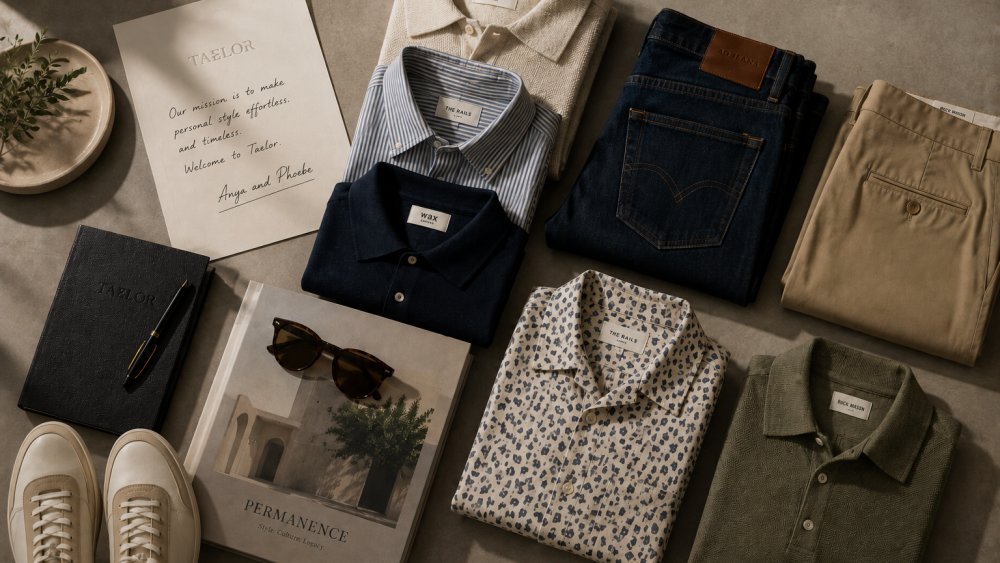
A startup has been quietly dressing men who have no interest in fashion since 2021. With a monthly subscription, these men receive a box with six items of clothing meticulously selected for them. They wear them for weeks for dates, meetings and casual dinners. They do not own any of these clothes, nor do they have to buy any of them. They’re just renting. A new box arrives next month. The cycle repeats.
Taelor, however, is not just a clothing rental service based in Silicon Valley. It’s also a tech firm, which uses AI to sort through 30,000 garments from over 100 premium brands such as Bonobos and Luchiano Visconti—all to curate a personalized wardrobe for each male subscriber.
It is not the first startup to put curated clothes in a box. For example, there is Nuuly, launched in 2019 by Urban Outfitters’ parent company URBN, which has become the industry leader in fashion rental with over half a million subscribers even though it only offers womenswear. Rent the Runway, also exclusive to women, which has nearly 160,000 subscribers since it started in 2009. Stitch Fix, which offers menswear and womenswear for purchase without requiring subscriptions, has over 2.3 million active users.
“Those companies haven’t designed for people who are not into fashion—like me,” Anya Cheng, Taelor co-founder and CEO, told Sourcing Journal. “I just want to get ready for my day and be successful.”
“It turns out there are a lot of busy men who think like me,” said Cheng, who, before launching her own startup, was a product lead at Meta.
In many ways, the business model is an arrangement designed for men’s comfort. It is a relationship that requires little commitment but comes with a lot of benefits. No shopping. No laundry. No shipping costs. They just give their feedback for each shipment so the next suits their style more.

Taelor Founders Anya Cheng (L) and Phoebe Tan (R)
Christopher C Lee
But Taelor has done more than find an untapped market for fashion in a group of people that have no interest in it. Over the course of three years, it amassed something that fashion brands unilaterally desire: aggregated customer intelligence based on data from a demographic that typically does not provide feedback.
“Most of the fashion industry use purchase data to predict what’s going to sell,” she said. The numbers, however, can only tell brands so much. What many companies don’t have, she said, is information on what people think “after they wear the clothes.” Still, there needs to be an incentive for customers to keep giving feedback. Otherwise, that data stream runs dry.
As it turns out, communication does wonders for men—and Taelor. Since they want to receive styles that are more suitable for them, they have an incentive to keep giving Taelor feedback every month on what works and what doesn’t. It’s practical information about the fit, like the sleeves being too long, for example, that adds up into information that brands can use to justify discontinuing or expanding a certain product line.
“These two combined”—”allow us to have very unique data that can solve industry biggest problem, which is inventory, and that’s why we start to monetize our insights, and we start to realize our suppliers are really eager to get those data,” she said. “The proprietary data is the gold.”