dailynewsnblog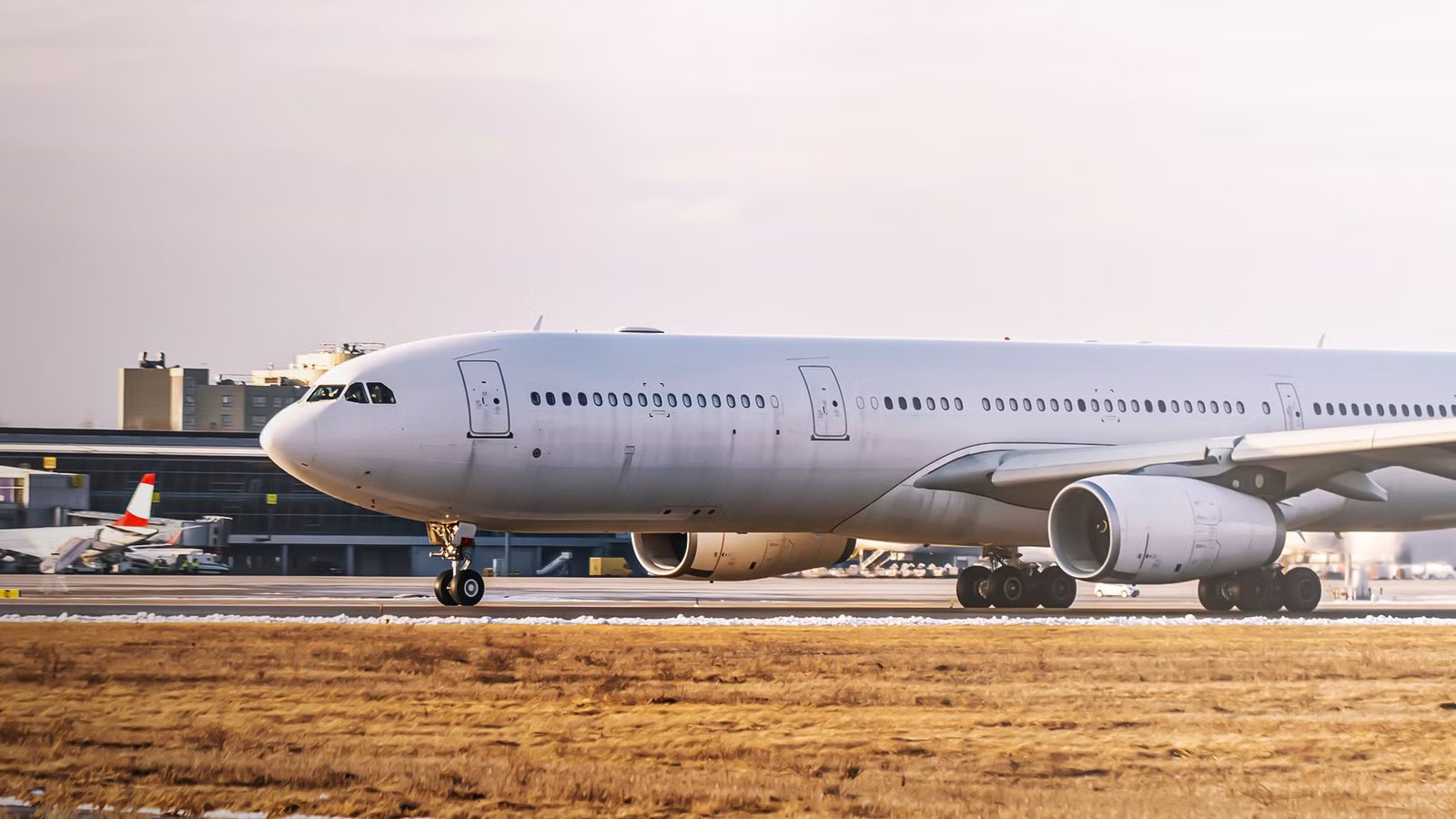
Flying has come a long way since the first scheduled passenger flight. That service carried just one passenger and flew the short distance of around 21 miles, but it marked the beginning of an industry that would eventually transform the way people travel around the world. Today, we can travel from one corner of the world to another with relative ease.
Over the years, airlines have steadily expanded their networks; they have opened routes to new destinations and connected more cities across the globe. Established carriers are continuing to grow; new airlines have also entered the market, which are building international networks of their own and giving passengers access to more destinations. That expansion is continuing in 2026.
Saudi Arabia’s New Airline Begins Building Its Long-Haul Network

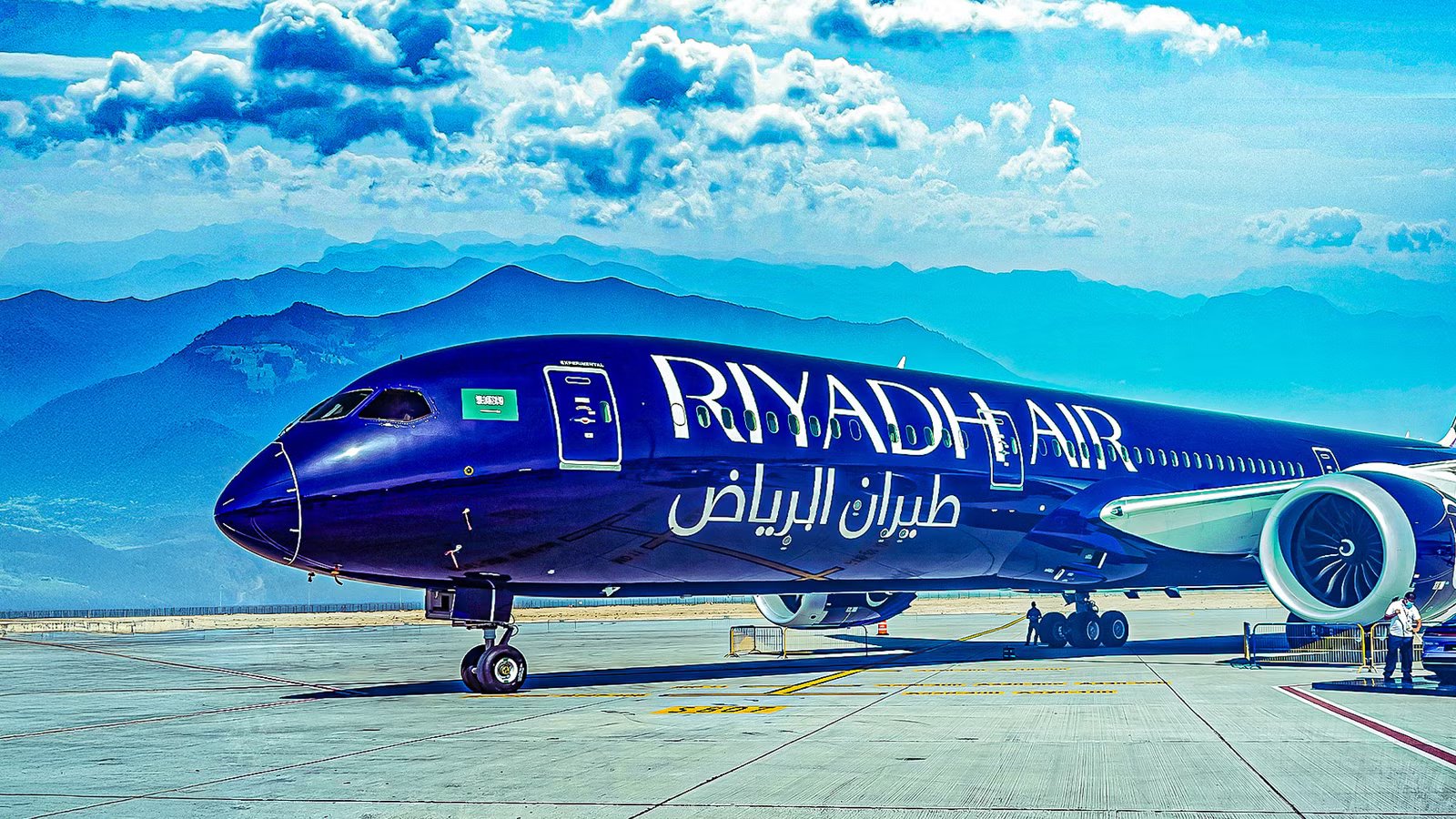
Unsurprisingly, one of the most notable new entrants to the long-haul market this year is Saudi Arabia’s second national airline  Riyadh Air. After years of preparations, the carrier finally commenced scheduled commercial service in June with the launch of flights between Riyadh and London Heathrow using its Boeing 787-9 Dreamliner. Notably, the airline has already been operating flights between the two cities since October 2025.
However, those services were not available to the public; they were part of its “Pathway to Perfect” launch program and carried invited guests, employees, and other authorized travelers. The flights were operated using a leased 787-9 previously flown by Oman Air. Since launching scheduled passenger services, Riyadh Air has wasted little time expanding its network.
By the end of July, it had added Cairo, Dubai, Madrid and Manchester. Currently, the airline operates daily flights to Cairo and Dubai, and three weekly services to Madrid and Manchester. In addition, the carrier has also launched seasonal services to the Spanish leisure destination Malaga, which it is scheduled to operate three times a week during the summer season. Notably, some of these destinations were previously not served nonstop from Riyadh.
Where Riyadh Air Goes Next

Furthermore, Riyadh Air’s network expansion will continue beyond these destinations, as the airline is set to launch several new international routes from late July and into August. Starting July 30, it will launch three weekly flights to Kuala Lumpur in Malaysia. From August 7, it will commence daily services to Dhaka in Bangladesh. In addition, scheduled data from aviation analytics provider Cirium shows that the carrier is also expected to begin daily flights to Mumbai from August 4, adding another major South Asian destination to its network.
Looking further ahead, Riyadh Air has announced plans to launch flights between Riyadh and Bangkok for the 2026/27 winter season. Thailand’s Civil Aviation Authority has allocated seven weekly slots between Riyadh and Bangkok Suvarnabhumi Airport. Beyond Asia, the airline has also received approval from the US Department of Transportation to launch services to the United States. Indeed, these initial developments are only the beginning of Riyadh Air’s planned expansion. The airline was launched as part of Saudi Arabia’s Vision 2030 strategy, which includes efforts to develop Riyadh into a global aviation hub and increase the country’s international connectivity.
As part of those ambitions, Riyadh Air expects to serve around 22 destinations by March 2027 and has set a long-term target of connecting Riyadh with 100 destinations by 2030. Of course, supporting this growth will require a larger fleet. The carrier currently operates a fleet of seven Boeing 787-9s, but the fleet is expected to grow over the years. Recently, during the Farnborough International Airshow, Riyadh Air strengthened its future widebody plans by exercising options for 28 Boeing 787 Dreamliners from its previous agreement announced in 2023.
The agreement included commitments for up to 72 787-9 aircraft split between firm orders and options. Of the newly exercised options, 20 aircraft will be converted from the 787-9 to the larger 787-10 variant. Additionally, the airline also confirmed six additional Airbus A350-1000s, increasing its firm commitment for the type to 31 aircraft from the original agreement for up to 50 aircraft announced at the 2025 Paris Air Show.
Brazil’s GOL Enters The Long-Haul Market

Besides Riyadh Air, Brazil’s GOL also made its first move into the long-haul market. Earlier in July, the airline launched three weekly flights between Rio de Janeiro Galeão International Airport and New York John F. Kennedy International Airport. It is initially operating a service using a leased Airbus A330-200 from Spanish charter and ACMI operator Wamos Air. This allows GOL to operate the route before deliveries of its own Airbus A330-900neo fleet begin later this year.
Once those aircraft enter service, they are expected to gradually replace the leased aircraft on the route. Indeed, the New York service marks a significant shift in GOL’s strategy. Since its launch in 2001, the airline has focused primarily on domestic services within Brazil and regional international routes across Latin America using its Boeing 737 fleet. The introduction of the A330-900neo will allow the carrier to expand beyond its traditional markets.
The airline plans to introduce five A330-900neos as it gradually expands its long-haul network across North America and Europe. Following the launch of New York, GOL is scheduled to begin flights between Rio de Janeiro and Lisbon in September. Some reports have also indicated that the airline is planning to launch services to  Orlando International Airport and
  Paris Charles De Gaulle Airport later this year.
Established Carriers Continue Expanding

Apart from the new entrants, some established players are also adding new long-haul routes and returning to previously served markets.  Qatar Airways is one of them. From August 1, the airline is resuming flights between Doha and Philadelphia after its oneworld partner, American Airlines, withdraws from the route. In addition, the carrier resumed services to the Finnish capital Helsinki in July. Qatar Airways first launched services between Doha and Helsinki in 2018, but Finnair later began operating the route on behalf of the airline.
With the Qatari flag carrier returning to the market, both airlines will now operate flights between Doha and the Finnish capital. Notably, services between the Gulf and Helsinki have historically been limited. Neither Emirates nor Etihad Airways has previously served the route. However, the UAE flag carrier is preparing to launch its own Helsinki service from October 1. Flydubai also operated flights between Dubai and Helsinki from 2018 to 2022.
Route | Frequency (Timing – Local time)* |
|---|---|
Doha (DOH) – Helsinki (HEL) | 4 weekly flights (8:40 AM – 3:30 PM) 3 weekly flights (1:30 AM – 8:20 AM) |
Helsinki (HEL) – Doha (DOH) | 4 weekly flights (5:05 PM – 12:05 AM (+1 day)) 3 weekly flights (9:50 AM – 4:50 PM) |
Doha (DOH) – Tokyo Haneda (HND) | One daily (7:50 AM – 12:05 AM (+1 day)) |
Tokyo Haneda (HND) – Doha (DOH) | One daily (1:35 AM – 6:45 AM) |
*Schedule shown above reflects Qatar Airways’ August schedule only | |
Furthermore, Qatar Airways has returned to Tokyo Haneda as well. The airline last operated the route in 2024 before its oneworld alliance partner, Japan Airlines, began operating flights on its behalf. Both Qatar Airways and Japan Airlines now operate the route, although the latter will only operate the service during the winter season.
Beyond these returning routes, the  oneworld alliance member is also adding new international destinations. From September, the airline is scheduled to commence flights to El Dorado International Airport in Bogotá, Colombia, and Simón Bolívar International Airport in Caracas, Venezuela. The services were originally expected to begin on July 22; however, following the recent earthquake in Venezuela, Qatar Airways postponed the launch until September 2.
Turkish Airlines Is Preparing For Ultra-Long-Haul Growth

 Turkish Airlines is another carrier pushing the boundaries of long-haul operations. As part of its long-term growth strategy, the airline is planning multiple ultra-long-haul routes over the coming years. By its 100th anniversary in 2033, the carrier aims to significantly expand its global network and grow its fleet to more than 800 aircraft. According to ch-aviation data, Turkish Airlines currently operates a fleet of around 486 aircraft and has more than 350 aircraft on order.
Among them are around 15 Airbus A350-1000s, which will play an important role in supporting its ultra long haul expansion. The A350-1000, which has a range of around 9,000 nautical miles (16,700 kilometers), is capable of operating flights of around 17 to 18 hours without requiring a refueling stop. Speaking to Anadolu Agency (AA), Turkish Airlines Chairman Ahmet Bolat said the airline expects to begin receiving ultra-long-range aircraft from the end of 2027, which will allow it to operate nonstop flights to Australia and certain destinations in South America.
Turkish Airlines has served both Sydney and Melbourne since 2024, although neither route is currently operated nonstop. Flights to Sydney operate via Kuala Lumpur and remain the longest journey in the airline’s network in terms of scheduled block time. Melbourne services also include a stop in Singapore. The arrival of the A350-1000 is expected to allow the airline to eventually operate both routes nonstop. In addition, the new aircraft will allow the carrier to launch nonstop routes to destinations such as Buenos Aires, Santiago and Lima, which currently require intermediate stops.
A New Era Of Long-Haul Expansion

These are just some examples, but these developments signal a decisive shift in the long-haul market. New airlines are entering the market with ambitious international expansion plans, while established carriers are returning to previously served destinations, opening new routes and strengthening their presence in existing markets. Since launching scheduled passenger services, Riyadh Air has rapidly expanded its network across Europe and Asia.
Some of the routes launched by the airline, including Madrid and Manchester, are either restoring previously available connections or introducing new nonstop links from the Saudi capital. Looking ahead, the carrier is planning further expansion across Asia, Europe and, eventually, the United States. In South America, GOL has entered the long-haul market for the first time and is preparing to expand beyond its traditional domestic and regional network.
Alongside these new and first-time long-haul entrants, established carriers are also strengthening their networks. Together, these developments show that the global long-haul map is continuing to evolve, with airlines investing in new aircraft, new markets and new ways of connecting passengers across continents.