dailynewsnblog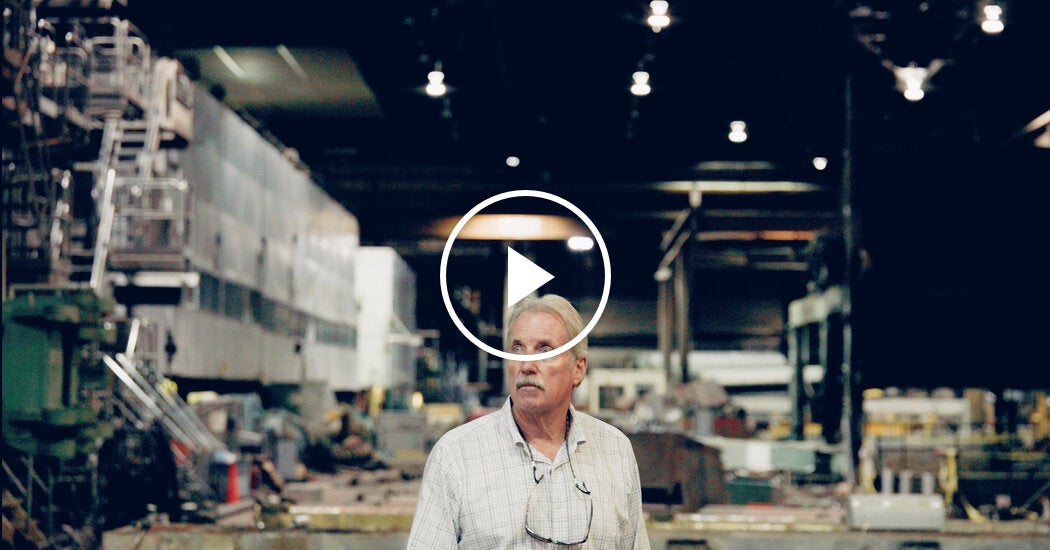
Earlier this year, Maine nearly became the first state to ban data centers, the massive warehouses that are powering the A.I. boom and consuming enormous amounts of water and electricity. But then, in the small town of Jay, Maine, supporters of an A.I. data center project rallied to fight the ban. “That’s our opportunity to become part of the 21st century.” More than 70 percent of Americans say they’re against data centers. So what’s driving the supporters in Jay? It starts at this paper mill, which used to be the lifeblood of the town. “The parking lot we’re standing in was full. There were probably about 800 employees. Good money and good salaries.” Former State Senator Tom Saviello worked as a manager at the mill in the ’90s. His job was to reduce the pollution coming from the plant, which once made the river run red with toxic runoff. “We turned the place around. We did it. And it wasn’t just me. It was everybody. The first time we rose as a phoenix rises from the ashes.” But jobs at the mill disappeared. First slowly, with decades of downsizing, then all at once. A massive explosion at the mill led to its closure. Three hundred people lost their jobs and the town of Jay lost millions in tax revenue. The mill has been dormant ever since, but Tom says with water and power infrastructure already in place, the site is perfect for an A.I. data center. “I felt we were being challenged again, another time to rise from the ashes, and I think that this project has the opportunity to do that.” Just down the street, we met a group of former workers to talk about their hopes for the mill. “I can remember it back when I was here, everyone worked there. And I remember the day when it blew up.” “But now we got an opportunity.” “Absolutely.” “So what is your thoughts about the data center?” “This project coming back, it’s going to immensely help this town, this county, this area. I mean, everything. It’s going to help our economy and everybody around us.” “Manufacturing is dying, so —” “Absolutely.” Real estate developer Tony MacDonald bought the plant in 2023 and plans to transform it into an A.I. data center. “In two years time, I expect this will be gleaming, clean, well-lit and full of computer servers.” Workers are taking the paper machines apart, a first step in the remodel. MacDonald has promised that the data center could generate somewhere between 100 and 150 permanent jobs in Jay, in a town of only 4,600 residents, and officials say it could generate around $6 million a year in tax revenue. “We’re just not the problem child that you’re seeing in other parts of the country. We’re employing people, we’re paying taxes.” But state lawmakers are not so sure the potential benefits outweigh the risks. “When data center development outruns policy, communities pay the price.” Democratic State Representative Melanie Sachs led the effort to ban new data centers in Maine. “Utility bills spike, water systems are strained, taxpayers subsidize these projects, communities deal with constant noise, light pollution and environmental degradation.” “When you see the abuses that these data centers have done, I am perfectly OK saying, ‘let’s pause.’” The pause, she said, would give Maine time to figure out how to protect its water and power, and to make sure towns like Jay really benefit from A.I. data centers. “The promises made by this developer were that there would be jobs. The promises by any developer should be kept.” Her bill passed the legislature, but Democratic Governor Janet Mills vetoed it, specifically citing jobs for Jay. “It’s hard for me to wrap my head around vetoing a bill that would provide protections for 1.4 million Mainers for the promise of 100 jobs for one town in Maine.” Just when the promised jobs and tax revenue seemed within reach, another setback. The company that would have provided the computer servers pulled out of the project. Tony’s deal fell apart. Now, he says he’s working on finding a new partner. But for the time being, the parking lot at the paper mill is still empty, and the town of Jay is still waiting for a lifeline.