dailynewsnblog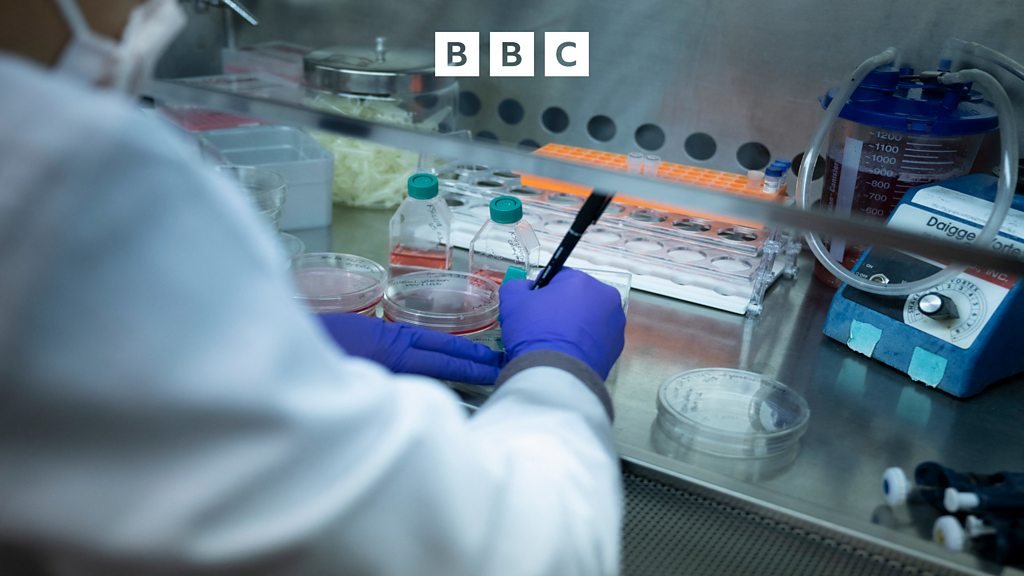
Available for over a year
Gene therapy has changed what is possible for people living with sickle cell disease. New treatments have shown that the condition can be successfully treated. But the therapy is costly and available to only a small number of patients.
Millions of people around the world still rely on early diagnosis and preventative medicines, with access to basic care remaining a challenge in many places, including sub-Saharan Africa, which has almost 80% of global sickle cell cases. Are we closer to gene therapy for sickle cell disease being accessible?
We speak to Dr Natasha Archer, director of the Sickle Cell Program at the Dana-Farber/Boston Children’s Cancer and Blood Disorders Center, US; Dr Alexis Thompson, paediatric haematologist at the Children’s Hospital of Philadelphia and a professor of paediatrics at the University of Pennsylvania, US; Dr Leon Tshilolo, professor of paediatrics and haematology at the University of Mbuji-Mayi, DR Congo and Prof Baba Inusa, consultant paediatrician in the School of Life Course & Population Sciences at King’s College London, UK
(Photo: Cell lines are prepared in a laboratory in Maryland, US. Credit: Brendan Smialowski/Getty Images)
Presenter: Daniel Rosney
Producer: Matt Toulson
Researcher: Evie Yabsley
Sound engineer: Cameron Ward
Production co-ordinator: Phoebe Lomas and Liam Morrey
Editor: Tom Bigwood
Programme Website