dailynewsnblog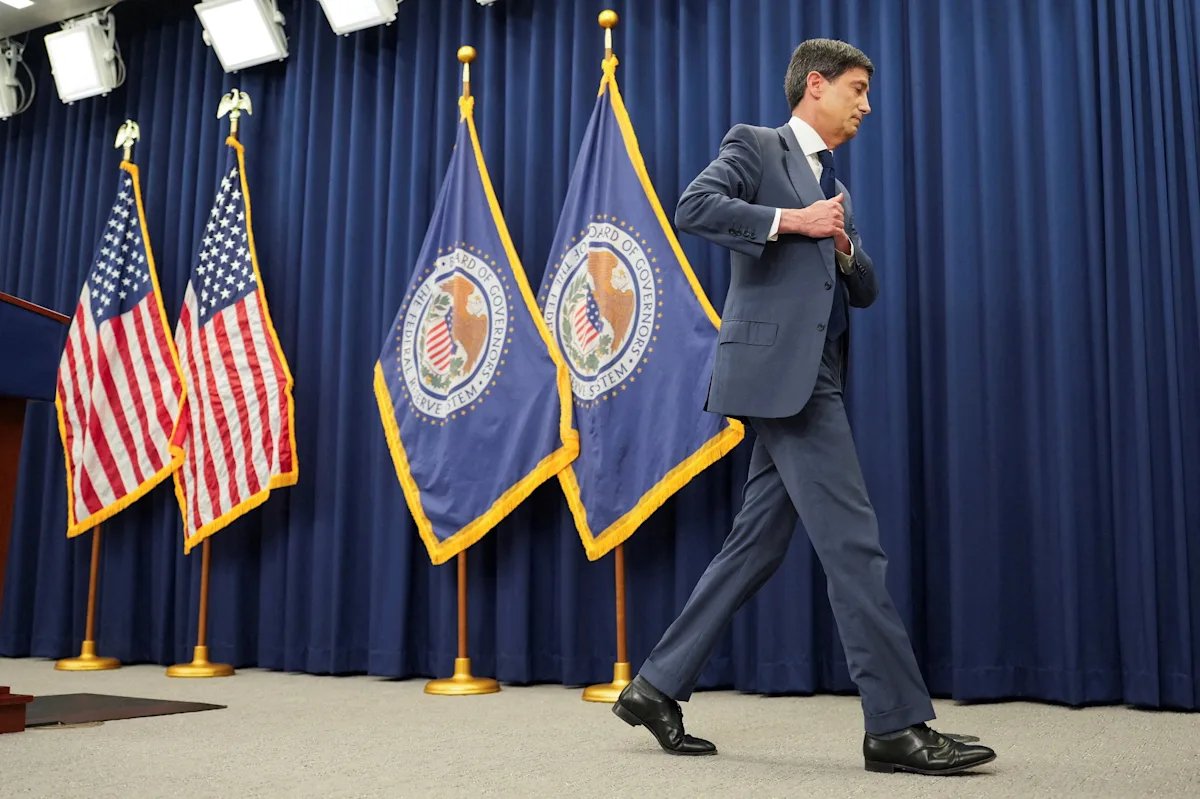
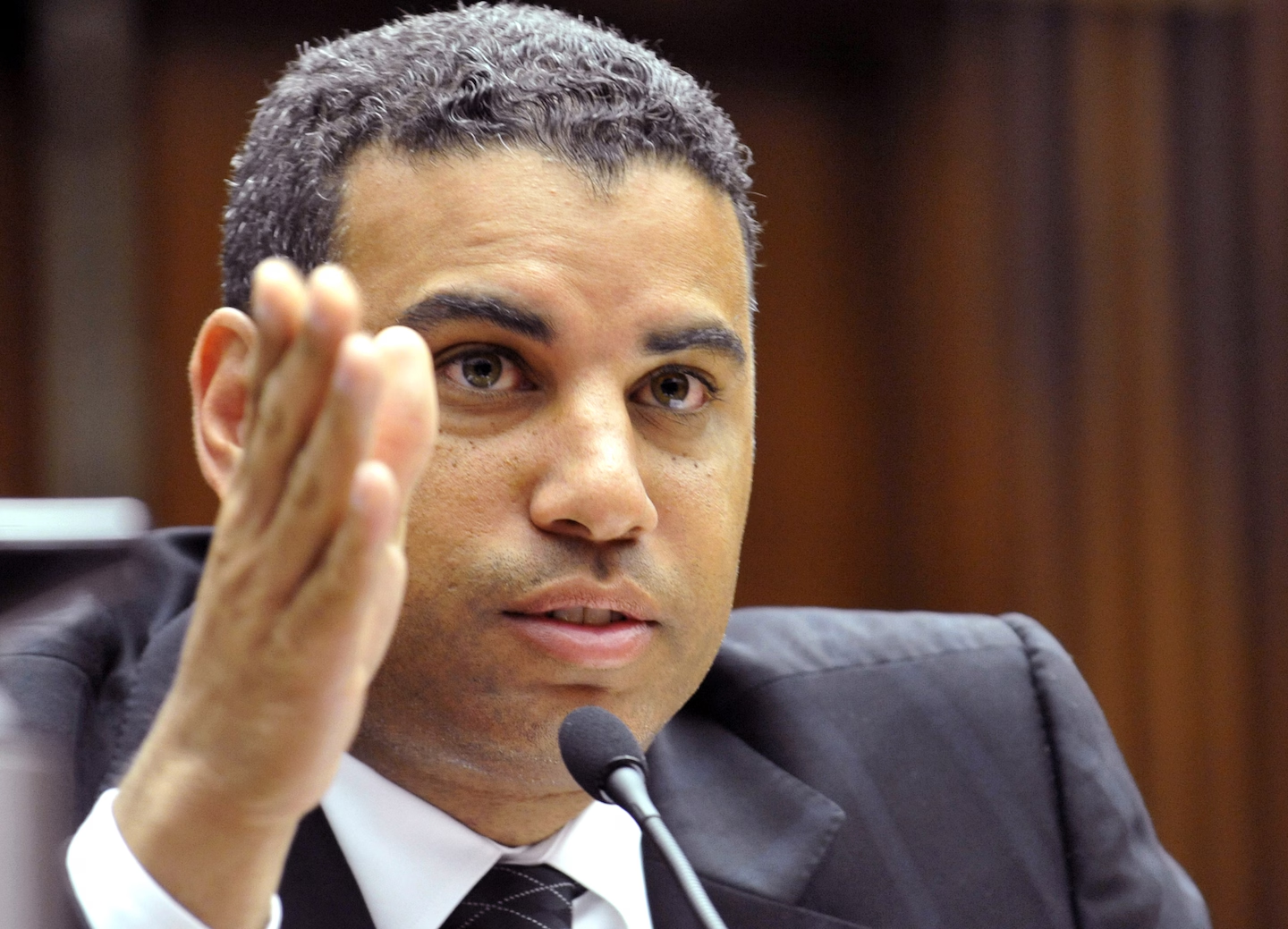
Kevin Warsh seemed to be having a great time.
The new Federal Reserve chairman presided over his first press conference this week. He poked fun at his own plan to install five task forces to catalyze change at the central bank. He bantered with reporters. At the same time, he seemed to delight in stonewalling their attempts to get forward guidance out of him.
Gone is the weary mien of his predecessors, who seemed to physically carry the gravity of the dual mandate. Warsh reads more politician than academic: he was smooth, nimble, at times glib, and ready to blow up recent Fed protocols, from frequent communication to the much-maligned Summary of Economic Projections (SEP), aka the dot plot.
Investors should welcome some selective hand grenades. Let’s take the dot plot as an example. Yahoo Finance analyzed the December median federal funds rate forecast versus the actual following year-end rate. The committee’s predictive record is spotty. The projections tend to be an extrapolation of current conditions into the future rather than a crystal ball.

That’s why members’ forecasts are more accurate when the central bank is holding rates steady. Misses cluster around the moments that matter most, in a couple of categories: external shocks like COVID that make predictability almost impossible, or Fed members’ misjudgment of the economy and the effect of interest rates on it. Despite Jerome Powell’s exhortations to the contrary, the market keyed off of these projections.
Warsh himself declined to submit forecasts for the SEP, and its days may be numbered. In general, he seems ready to preside over a return to the Alan Greenspan era of Fed communication, i.e. much less of it.
Warsh introduced task forces to address communication and four other areas, including the Fed’s balance sheet, data sources, productivity and jobs, and inflation framework. All of these are worthy of tackling. Any institution can use periodic reform, especially one as important as the Fed.
But back to Warsh’s sometimes jocular, confident tone. “I’ve said for years that inflation is a choice,” he told reporters. “You bet it is.”
His pledge to fix inflation and promises to remake the central bank bear watching to make sure they don’t tip from commitment to hubris. It’s possible that inflation got out of hand because of the Fed’s incompetence, short-sightedness or bad data. It’s also possible that even the best data access and judgement can still result in unintended outcomes.

Warsh was lauded by some for expressing appropriate hawkishness in the press conference with his dedication to price stability, and for hewing to the Fed’s inflation target of 2%. When the FOMC meets again in late July, will that warrant a rate increase? Or will he ask the committee to await task force reports?