dailynewsnblog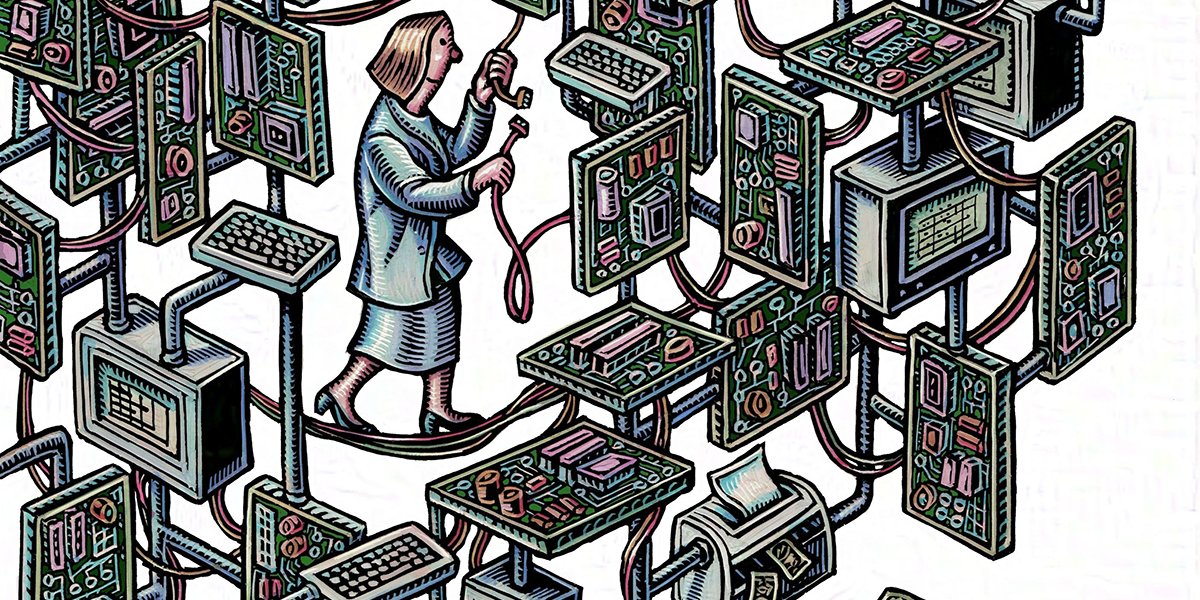
- Models: The underlying AI systems that interpret prompts, generate responses, and make predictions
- Tools: The integration layer that connects AI to enterprise systems, such as APIs, protocols, and connectors
- Context: Before making decisions, information agents need to understand the full business picture, including customer histories, product catalogs, and supply chain networks
- Governance: The policies, controls, and processes that ensure data quality, security, and compliance
This framework helps diagnose where reliability gaps emerge. When an enterprise agent fails, which quadrant is the problem? Is the model misunderstanding intent? Are the tools unavailable or broken? Is the context incomplete or contradictory? Or is there no mechanism to verify that the agent did what it was supposed to do?
Why this is a data problem, not a model problem
The temptation is to think that reliability will simply improve as models improve. Yet, model capability is advancing exponentially. The cost of inference has dropped nearly 900 times in three years, hallucination rates are on the decline, and AI’s capacity to perform long tasks doubles every six months.
Tooling is also accelerating. Integration frameworks like the Model Context Protocol (MCP) make it dramatically easier to connect agents with enterprise systems and APIs.
If models are powerful and tools are maturing, then what is holding back adoption?
To borrow from James Carville, “It is the data, stupid.” The root cause of most misbehaving agents is misaligned, inconsistent, or incomplete data.
Enterprises have accumulated data debt over decades. Acquisitions, custom systems, departmental tools, and shadow IT have left data scattered across silos that rarely agree. Support systems do not match what is in marketing systems. Supplier data is duplicated across finance, procurement, and logistics. Locations have multiple representations depending on the source.
Drop a few agents into this environment, and they will perform wonderfully at first, because each one is given a curated set of systems to call. Add more agents and the cracks grow, as each one builds its own fragment of truth.
This dynamic has played out before. When business intelligence became self-serve, everyone started creating dashboards. Productivity soared, reports failed to match. Now imagine that phenomenon not in static dashboards, but in AI agents that can take action. With agents, data inconsistency produces real business consequences, not just debates among departments.