dailynewsnblog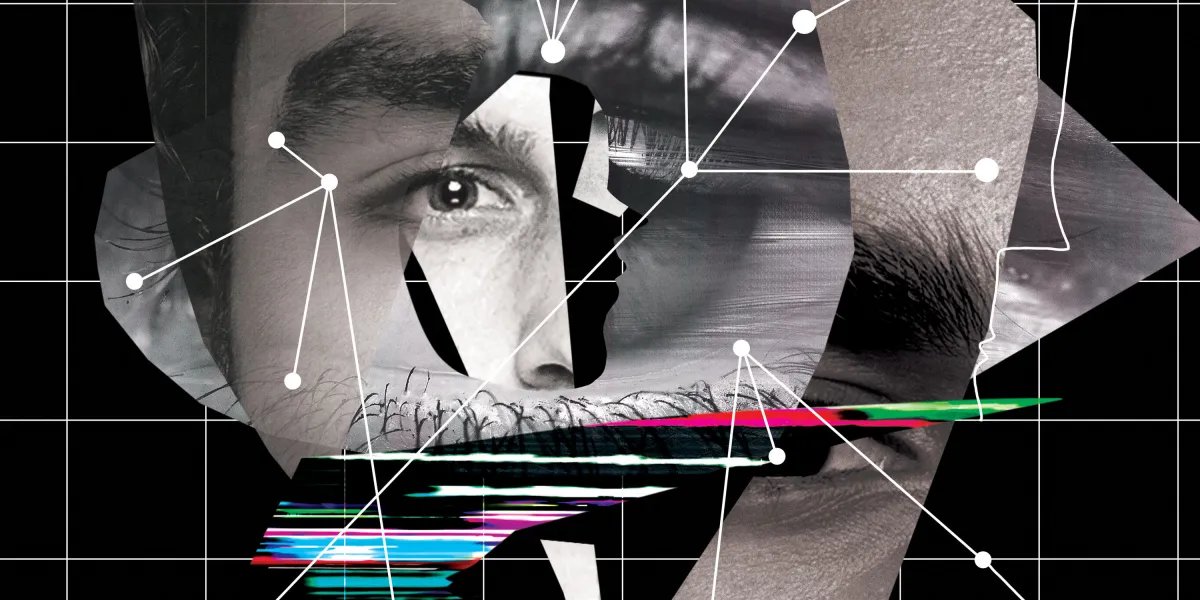
In April 2024, a mysterious someone using the online handles “Waifu” and “Judische” began posting death threats on Telegram and Discord channels aimed at a cybersecurity researcher named Allison Nixon.
These anonymous personas targeted Nixon because she had become a formidable threat: As chief research officer at the cyber investigations firm Unit 221B, named after Sherlock Holmes’s apartment, she had built a career tracking cybercriminals and helping get them arrested.
Though she’d done this work for more than a decade, Nixon couldn’t understand why the person behind the accounts was suddenly threatening her. And although she had taken an interest in the Waifu persona in years past for crimes he boasted about committing, he hadn’t been on her radar for a while when the threats began, because she was tracking other targets.
Now Nixon resolved to unmask Waifu/Judische and others responsible for the death threats—and take them down for crimes they admitted to committing. Read the full story.
—Kim Zetter
This story is from the next print issue of MIT Technology Review magazine, which is all about crime. If you haven’t already, subscribe now to receive future issues once they land.
ALS stole this musician’s voice. AI let him sing again.
There are tears in the audience as Patrick Darling’s song begins to play. It’s a heartfelt song written for his great-grandfather, whom he never got the chance to meet. But this performance is emotional for another reason: It’s Darling’s first time on stage with his bandmates since he lost the ability to sing two years ago.
The 32-year-old musician was diagnosed with amyotrophic lateral sclerosis (ALS) when he was 29 years old. Like other types of motor neuron disease, it affects nerves that supply the body’s muscles. People with ALS eventually lose the ability to control their muscles, including those that allow them to move, speak, and breathe.
Darling’s last stage performance was over two years ago. By that point, he had already lost the ability to stand and play his instruments and was struggling to sing or speak. But recently, he was able to re-create his lost voice using an AI tool trained on snippets of old audio recordings. Another AI tool has enabled him to use this “voice clone” to compose new songs. Darling is able to make music again. Read the full story.