dailynewsnblog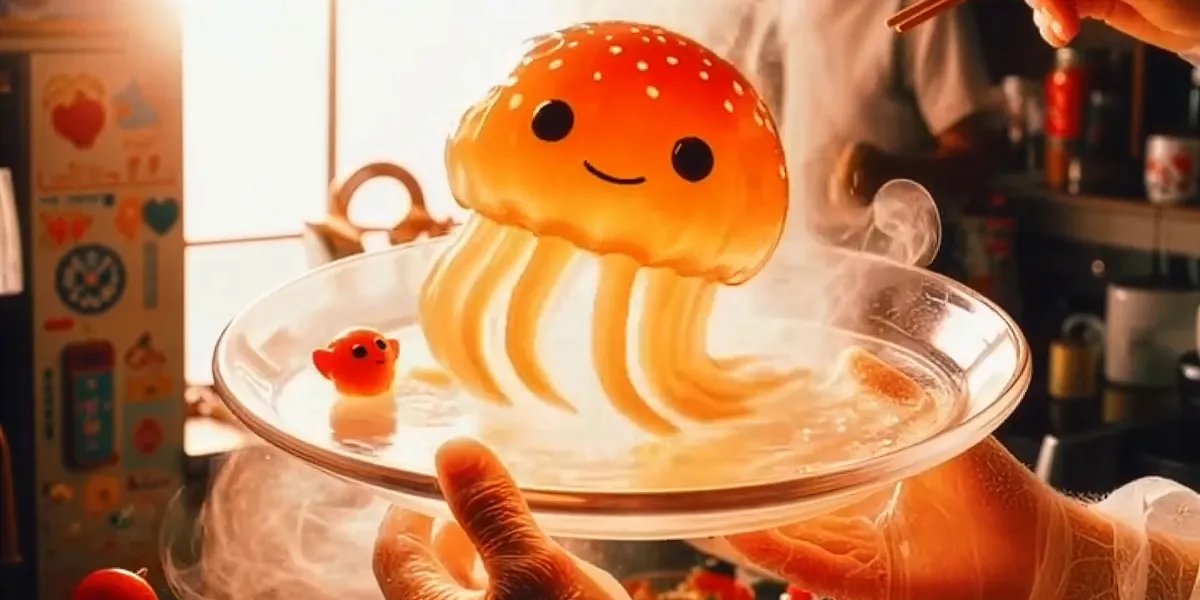
—Caiwei Chen
If I were to locate the moment AI slop broke through into popular consciousness, I’d pick the video of rabbits bouncing on a trampoline that went viral last summer. For many savvy internet users, myself included, it was the first time we were fooled by an AI video, and it ended up spawning a wave of almost identical generated clips.
My first reaction was that, broadly speaking, all of this sucked. That’s become a familiar refrain, in think pieces and at dinner parties. Everything online is slop now—the internet “enshittified,” with AI taking much of the blame. Initially, I largely agreed. But then friends started sharing AI clips in group chats that were compellingly weird, or funny. Some even had a grain of brilliance.
I had to admit I didn’t fully understand what I was rejecting—what I found so objectionable. To try to get to the bottom of how I felt (and why), I spoke to the people making the videos, a company creating bespoke tools for creators, and experts who study how new media becomes culture. What I found convinced me that maybe generative AI will not end up ruining everything after all. Read the full story.
A new CRISPR startup is betting regulators will ease up on gene-editing
Here at MIT Technology Review we’ve been writing about the gene-editing technology CRISPR since 2013, calling it the biggest biotech breakthrough of the century. Yet so far, there’s been only one gene-editing drug approved, and it’s been used commercially on only about 40 patients, all with sickle-cell disease.
It’s becoming clear that the impact of CRISPR isn’t as big as we all hoped. In fact, there’s a pall of discouragement over the entire field—with some journalists saying the gene-editing revolution has “lost its mojo.”
So what will it take for CRISPR to help more people? A new startup says the answer could be an “umbrella approach” to testing and commercializing treatments which could avoid costly new trials or approvals for every new version. Read the full story.
—Antonio Regalado
America’s new dietary guidelines ignore decades of scientific research