dailynewsnblog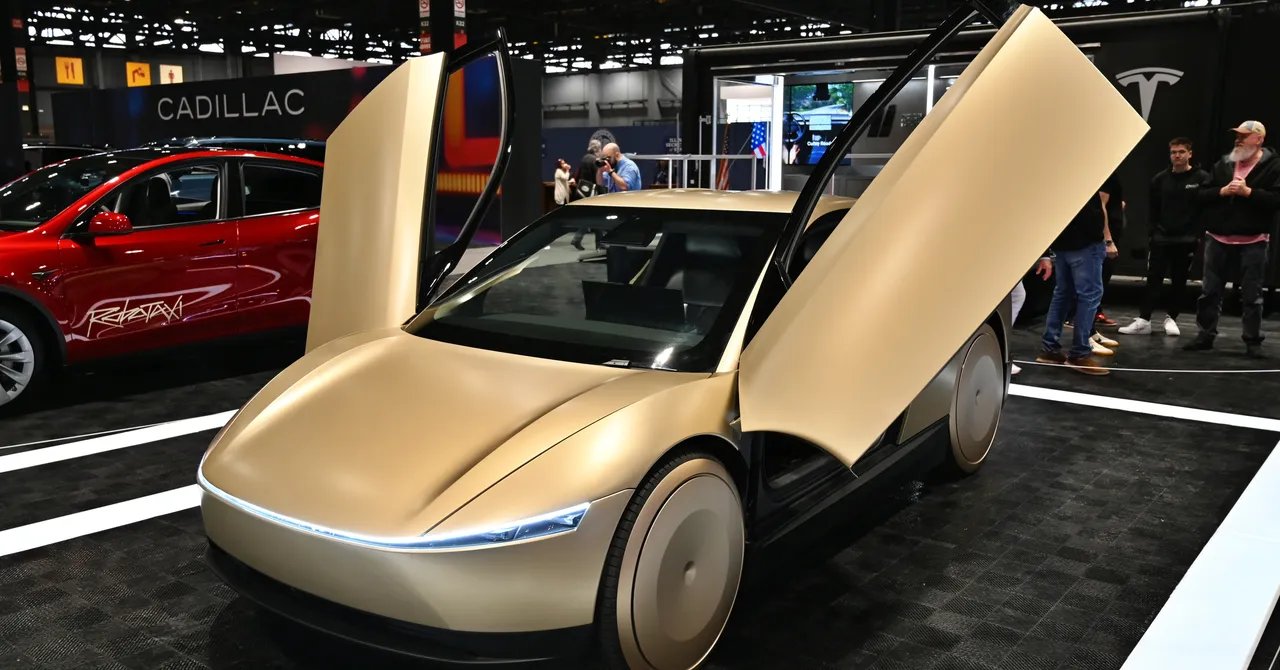
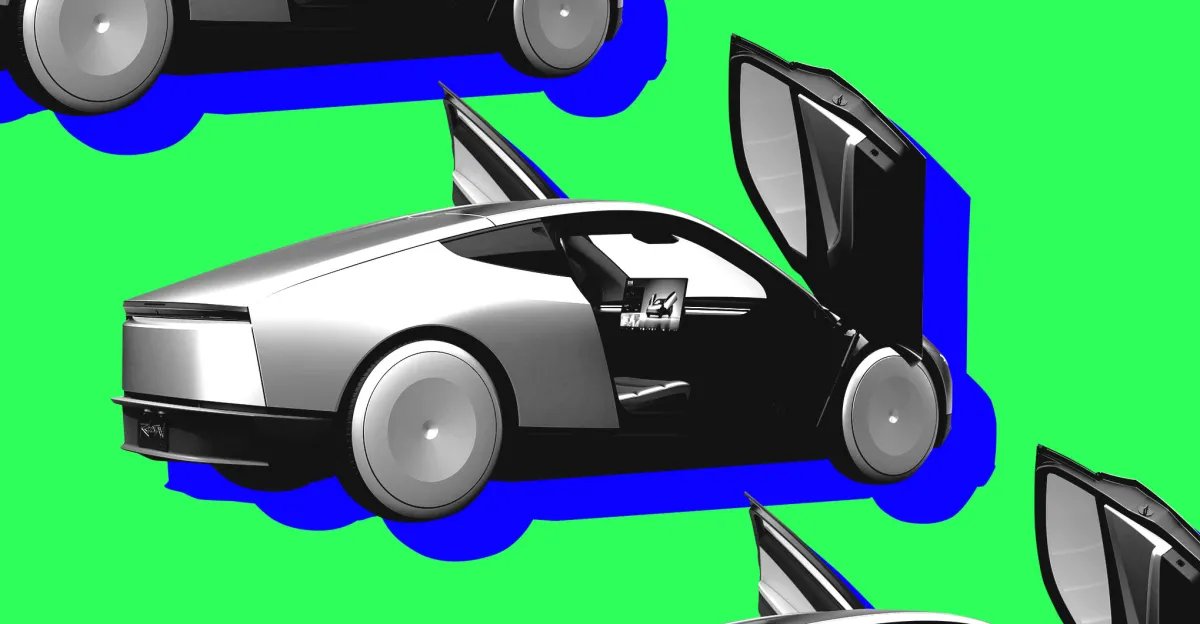
Matte gold, sloped, and steering-wheel-free, the Tesla Cybercab seems designed to catch the eyes of looky-loos. Now rubberneckers may have more opportunities: Tesla is set to host an event on Thursday at its Austin, Texas, headquarters to debut the Cybercab.
Tesla first rolled out a prototype Cybercab at a flashy event on the Warner Bros. lot in 2024. This week’s unveiling will likely mark the vehicle’s official introduction to the electric-auto maker’s small ride-hail service. It has operated a pilot program in Austin since last summer, and has since expanded to a handful of other cities in Texas and Florida, with permits to launch in Arizona and Nevada. (A “robotaxi” service in the San Francisco Bay Area is not legally permitted to operate without drivers behind the wheel.) Before the event, Tesla added 51 Cybercabs to its fleet of vehicles registered to operate in Texas (263 Model Ys are also registered).
“The streets won’t be the same anymore,” Ashok Elluswamy, Tesla’s head of AI software, posted last month on X. When an X user asked whether the Cybercabs would “flood Austin,” Tesla CEO Elon Musk, with his characteristic moth-to-the-flame tendencies toward hyperbole, responded with a simple “Yes.”
Details on the event are still scant, and the basic business model for the Cybercab is in question—are the vehicles just for ride-hail operations, or meant to be sold to individual drivers? States regulate autonomous vehicles, and some tightly control permits and data collection. However, Musk still insisted this year that Tesla will sell Cybercabs directly to consumers before the end of 2026.
Either way, the physical Cybercab slated to be shown off in Austin on Thursday may be the easiest lift in Tesla’s deeply ambitious plan to shift from a company that builds cars to one entirely focused on autonomous vehicles and robotics. Manufacturing a car isn’t easy. But neither is running a functional autonomous vehicle service, nor building the software to power it. Tesla hasn’t yet proven that it can do either at scale.
“Longer term, the software is the most important piece,” says Seth Goldstein, a senior equity analyst for Morningstar who follows Tesla. “This is a very important step, to put the Cybercab in production, but ultimately, it only matters if the software can allow a car to navigate safely.”
Musk has promised for nearly a decade that the Teslas sold to everyday consumers are just a software update away from driverless capabilities, but that has yet to come true. (Musk admitted earlier this year that some vehicles will need a hardware upgrade to get the capability.) The company’s critical thesis is that a car can drive on complicated, chaotic public roads with only inexpensive cameras, which could allow it to deploy self-driving robots much more cheaply than the competition. Waymo, the US industry leader, took a direct swipe at Tesla last month, writing in a blog post that “cameras are incredible, but they aren’t enough.” Waymo’s more expensive setup uses lidar and radar along with cameras.
Tesla’s Full Self-Driving (Supervised) product, available to drivers for a $99 monthly fee, currently does many driving tasks, including changing lanes and stopping at red lights. But the company warns in its manuals that drivers must pay attention and be ready to intervene at all times. The National Highway Traffic Safety Administration (NHTSA), the US’s top auto safety regulator, opened an investigation into crashes involving FSD in 2024 following concerns that the system falters in situations with poor visibility. That probe is ongoing.