dailynewsnblog
The Curator independently decides what topics and products we feature. When you purchase an item through our links, we may earn a commission. Promotions and products are subject to availability and retailer terms.

Spring is the season when everyone suddenly wants a fresh start. Windows get washed, closets get reorganized, and people start researching things they’ve been quietly wondering about all year. Read of for four TMS audience questions, and cleaning expert Melissa Maker’s answers. There’s a good chance you’ve been wondering about the same thing, too.
Q: Shoes bring in dirt and germs. Is there something to clean the bottom of shoes before putting them in the closet?
A: Yes—and this is more important than most people realize. Research from the University of Arizona found an average of 421,000 bacteria on the bottom of a typical shoe, including E. coli. When those shoes travel through the home and into a closet, that contamination goes with them.
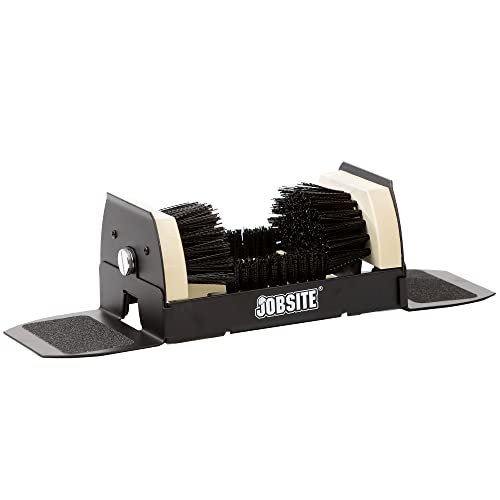
First, a boot scrubber at the entrance—this can sit in a garage, on a deck or patio, or right by a front entryway. It’s discreet yet powerful. It’s got bristles on the sides and base to aggressively brush off debris from soles before anyone crosses the threshold, but it isn’t an eyesore.

The second option, used before shoes go into a closet, is a tacky shoe mat that sits just inside the door. This is used in high-stakes spaces like laboratories and is designed to capture the fine particles the brush or outdoor mat might miss. It’s sort of like a mega, super sticky lint roller for your shoes. When the surface looks dirty, peel the layer to reveal a fresh one.

Third, if you’re really concerned about germs or odours, a quick mist from a disinfectant fogger loaded with a diluted disinfectant can quickly solve the issue. Each shoe needs just one pass, and the job is done. This fogger can be used all over the house; shoes are just one cool use for it.
Q: What’s the best way to clean window screens that can’t be taken out of the frame?
A: Most people never clean their screens because they assume removal is required. In many cases, you can remove the frames; in some cases, you can’t, but the key point here is that removal is not required for cleaning. And dirty screens aren’t just an aesthetic problem; they trap pollen, dust, and fine particles so that every time a window is opened, a breeze pushes them inward. No thanks.

This Mesh Screen Cleaner is designed specifically for in-frame cleaning. Its angled bristles reach through the mesh to clean both sides simultaneously, which means no removal required and no damage to the screen. You can use it dry for a quick seasonal dust-off, or wet with a little soapy water for a more thorough clean. Once done, wipe the screen with a microfiber cloth and clean water to remove any excess dirt or suds. The detachable handle extends reach for high or awkward windows. And before you start, lay a towel along the windowsill. It catches drips and prevents water marks on painted or wood surfaces.
Q: How do I get streak-free windows?
A: This comes down to having the right PTT: Product, tool, and technique. Most people get this wrong, and then get frustrated – they spray, wipe, see streaks, spray more, and make it worse. Don’t be like most people, do this instead!

The professional approach: mix 2 cups of warm water, ¼ cup white vinegar, and ½ teaspoon of dish soap in a bucket. Use this professional window cleaner–or a double-sided squeegee – to apply the solution to the glass (with the microfibre part of the squeegee). It should be sopping wet; this will help to break down dirt. Once done, flip to the rubber tip side and pull the solution off the glass. Start at the top and work your way to the bottom. Now here’s a pro move that’ll get you the very best results: after every single stroke using the rubber tip, wipe the squeegee blade clean with a cloth before the next pass. Enjoy your gorgeous, streak-free glass!
You may also like:
3 Tier Shoe Organizer – $29.99
CANAGER Hanging Moisture Absorber – $27.80
Febreze Antibacterial Fabric Refresher – $7.79
Q: I keep cleaning, but the dust and lint just keep coming back. What am I missing?
A: Nothing is being done wrong here, but this is an indication that some things are being overlooked. Dust and lint that return quickly are indicative of a systems issue; something in the home is producing or recirculating them, and no amount of surface cleaning will keep pace with an unaddressed source.
If this is happening to you, here are three things to address, in order:

Vacuum more frequently, and with the right tool. The Bosch Unlimited Cordless Vacuum has a blue halo light that signals when a surface is genuinely clean — not just when it looks clean. This makes cleaning super efficient because you are getting that ‘Goldiolox’ vacuum. It’s also got HEPA filtration, which means fine particles get captured, not recirculated. And the main floor tool functions on all floor surfaces, both front and back, for a much more efficient clean.

Change the furnace filter every three months. If it’s been longer than that—and for most households, it has—let this be your rally cry to do it! A Filtrete Allergen Defence filter traps fine particles before they get pushed through the home’s air supply. Without a clean filter, you can’t have fresh air circulating; you need to do this to quell the dust.
Book a duct cleaning if it hasn’t been done in five years. It’ll run you a few hundred dollars but the difference is remarkable. A duct system carrying years of built-up debris deposits dust throughout the entire home every single time the HVAC runs. Without clean ducts, a cleaning to remove dust is like brushing your teeth with Oreos (to quote an old meme). You should also do this right after a renovation.
You may also like:
Amazon Basics Foldable Laundry Basket Hamper – $27.43
Foldable Storage Bins Cubes – $28.16
Minimalist Dual-Purpose Bedside Caddy Organizer – $22.99
© 2026 Global News, a division of Corus Entertainment Inc.