dailynewsnblog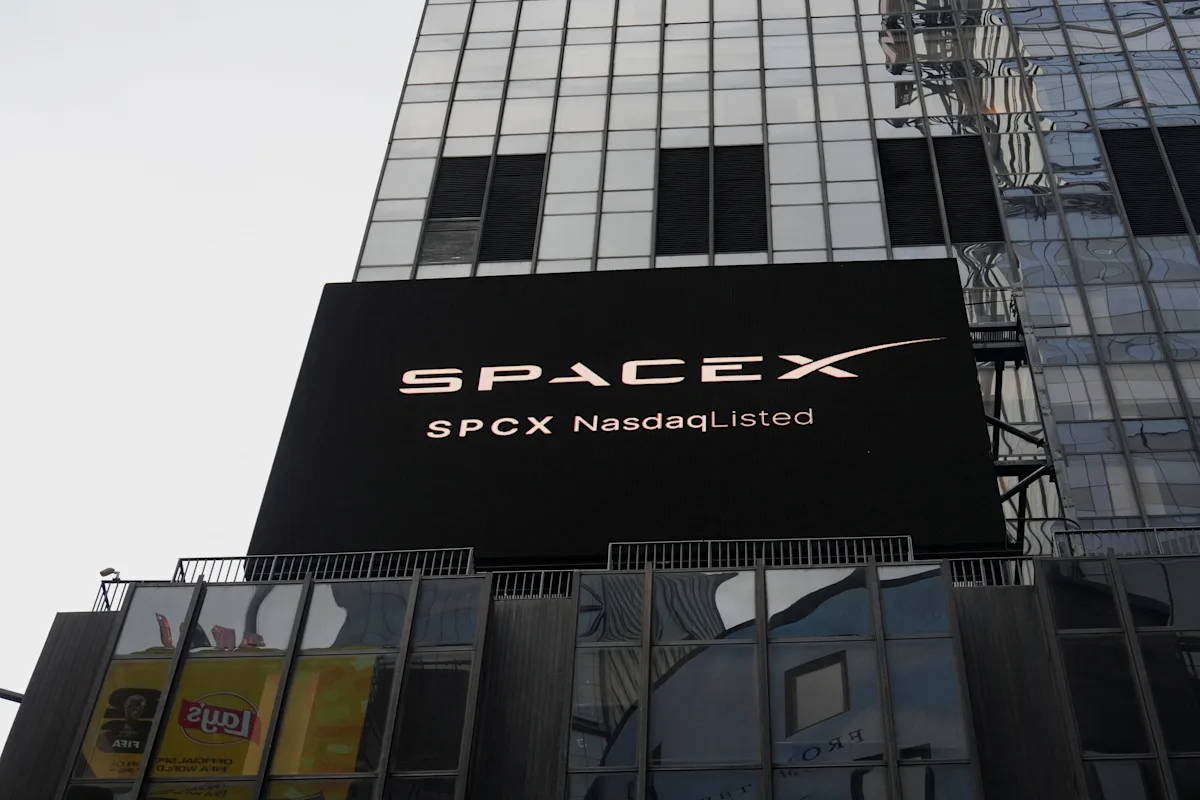
In the wake of the SpaceX (SPCX) IPO on Friday, I just want to offer up something that should be obvious — but maybe it isn’t to the new retail investors that have hopped aboard the spaceship company’s sure-to-be-wild ride.
Elon Musk isn’t some mythical god that exists only as a picture online or a post on X — he is human, and he has worked with teams of people.
There was the team at PayPal (PYPL) that included Affirm (AFRM) founder Max Levchin and LinkedIn founder Reid Hoffman. There was the early team at Tesla that included the likes of General Motors (GM) and Lululemon (LULU) board member Jon McNeill. There was the X team Musk rebuilt, which included eMed Health CEO Linda Yaccarino.
And there have been countless engineers and software designers Musk has literally slept in offices with. In other words, Musk is a proven commodity at the youthful age of 55. And the one thing he has proven is that he is a winner. Sure, he says crazy shit, but he is a winner and has achieved things none of us will achieve in our lifetimes.
I have spent a lot of 2026 chatting with various folks from Musk’s career in the lead-up to the SpaceX IPO. They have all told me the same thing: He knows how to unlock the most potential out of a human. Most will agree the process Musk unleashes to reach true innovation isn’t always fun, but the outcome is often achieved — even if it takes longer than expected.
It’s for that reason SpaceX priced where it did. It’s for that reason SpaceX stock closed up nearly 20% by the closing bell on Friday. It’s for that reason that it’s hard to imagine SpaceX shares not being much higher a decade from now.
Here are two brief perspectives on the Musk mystique from my recent chats.
Jon McNeill
Now a board member at General Motors and Lululemon, Jon McNeill served as a president at Tesla from 2015 to 2018, working directly with Musk. During that time, revenue at the electric vehicle maker grew from $2 billion to $20 billion.
In his new book, “The Algorithm,” McNeill breaks down what made Tesla so successful, from its processes to how billionaire CEO Elon Musk thinks.
“I think what Elon constantly does is he looks at what is the existential threat to the business right now,” McNeill said on “Power Players with Brian Sozzi.”
For Tesla, McNeill said, it means “you have to have autonomous cars because nobody’s going to choose a car that doesn’t become a chauffeur if they have a choice. And the second is you’ve got to be a low-cost manufacturer. And the proxy for that is robotics … And so [Musk] focuses just on those two things.”