dailynewsnblog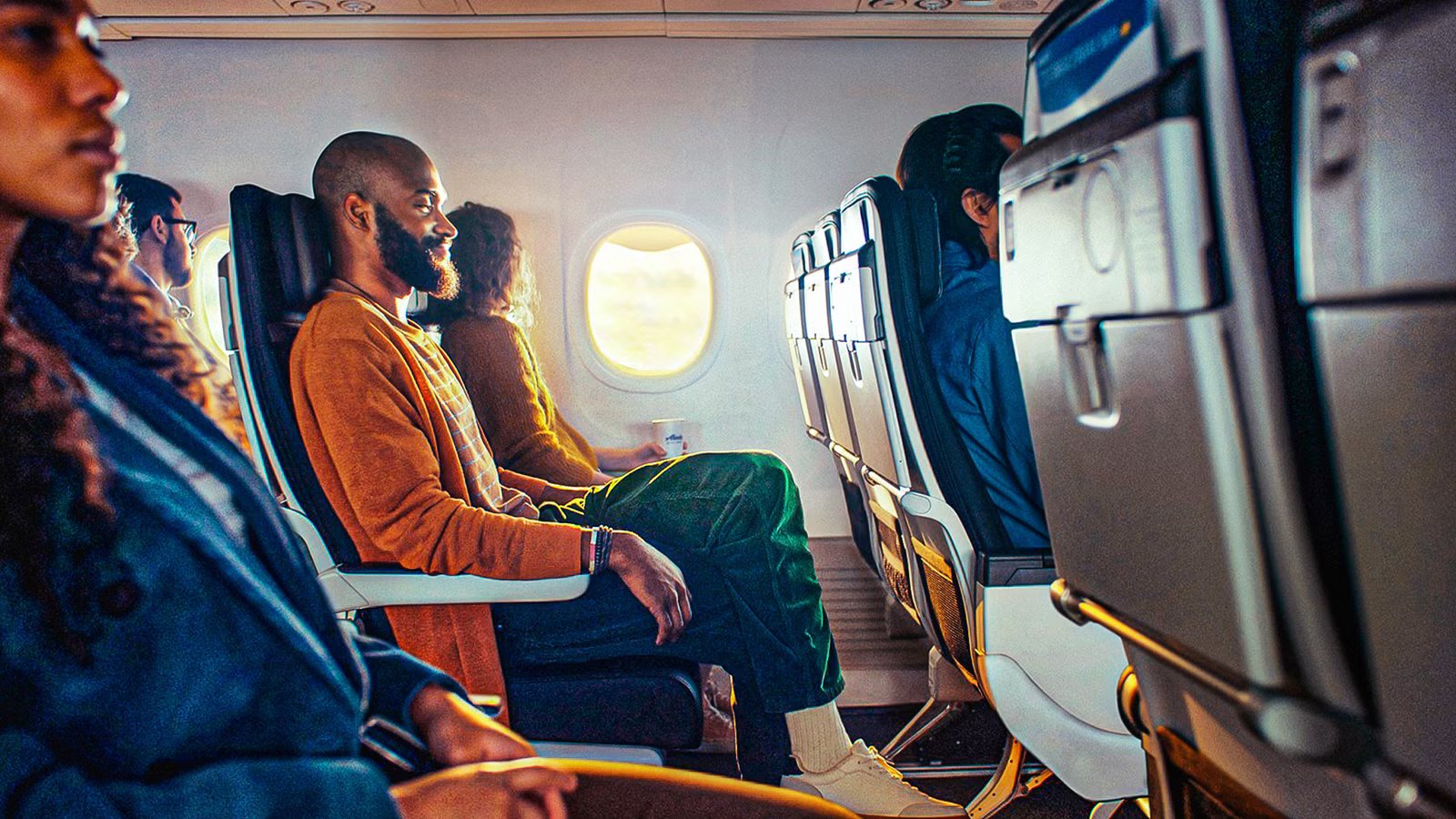
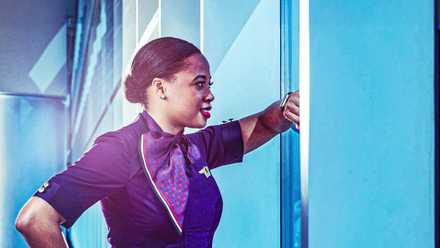
For many passengers, boarding an aircraft feels like a fairly ordinary process. You walk through the cabin door, a flight attendant smiles and greets you, checks your boarding pass, points you toward your seat, and helps keep the flow of passengers moving. Most people assume those interactions are brief and routine. However, it is rarely as casual as it appears, and cabin crew are trained to remain attentive from the moment boarding begins.
In just a few seconds, they are already observing passengers far more closely than many of us realize. They can often tell who appears confident, who seems overwhelmed, who may need assistance, and who is unfamiliar with the overall boarding process. There is also one particular habit during boarding that flight attendants tend to notice very quickly. According to them, it is often enough to tell whether someone is flying for the first time or is a frequent traveler.
The Overhead Bin Habit That Gives It Away

One of the quickest ways for them to spot the difference is how passengers handle the overhead bin. Frequent flyers usually know exactly what they are doing before they even arrive at their row. They lift their bag, store it quickly, close the compartment, and move out of the aisle without interrupting the boarding flow behind them. Indeed, it is a small thing, but on a full aircraft carrying hundreds of passengers, those few seconds make a noticeable difference.
Passengers who travel less often tend to approach the process very differently. Some stop in the aisle to reorganize their belongings, pull items out of their carry-on, or spend time deciding where the bag should go, while other passengers begin queuing behind them. Cabin crew notices these situations immediately because overhead bin delays are one of the biggest causes of slow boarding on busy flights.
The way a carry-on is placed inside the compartment is another giveaway. Airlines recommend placing carry-on bags with their wheels first into the bin, which helps maximize available space and allows more passengers to fit their luggage overhead. Frequent flyers often do this automatically, but amateurs are more likely to place bags sideways, using more space than necessary.
There is also a practical reason: the wheels of a suitcase pass through streets, airport terminals, security areas, boarding gates, and aircraft aisles before reaching the cabin. Putting the wheels inside just makes more sense from a hygiene perspective. Also, keeping the handles facing outward is more practical once the flight lands.
What Other Behaviors Give Away Frequent Flyers?

Another thing that quickly gives away whether someone is a first-time traveler or a frequent flyer is how they navigate the cabin after boarding. People flying for the first time, or those who travel only occasionally, often appear far more cautious as they enter the cabin. Many repeatedly check their boarding pass, stop to look at seat numbers row by row, or slow down while trying to work out where they need to go.
Frequent flyers normally move through the cabin with far more confidence because the process already feels familiar to them. They usually know roughly where their row will be and tend to avoid stopping unnecessarily once inside the aircraft. Many also prepare in advance by keeping important items such as headphones, chargers, medication, or passports easily accessible instead of reopening their carry-on multiple times during boarding.
Flight attendants often say experienced travelers settle into their seats very quickly once they reach their row. One crew member told Travel + Leisure that frequent flyers “come on, they put their stuff away, [and] boom, they’re seated. Everything’s tucked in, and nothing else has to be said, allowing boarding to be quick and efficient.”
Other than these, there are some smaller details that can also reveal whether someone flies regularly or only occasionally. Many frequent flyers are enrolled in airline loyalty programs, so their status often appears directly on their boarding pass. Sometimes, even their luggage tags show mileage levels or frequent flyer status.
What Flight Attendants Notice First About Passengers When Boarding A Flight
Flight attendants are very observant and with good reason.
Cabin Crew Can Usually Tell When Someone Is New To Premium Cabins

Furthermore, premium travel has grown significantly in recent years. According to IATA’s latest World Air Transport Statistics report, international premium-class traffic, which includes both business and first class, increased by around 12% in 2024 to roughly 116 million travelers. Premium passengers generate a large share of airline revenue, so airlines have been expanding premium seating.
As a result, premium cabins, particularly business class, are no longer used almost exclusively by corporate travelers or frequent flyers. Cabin crews are now regularly serving passengers experiencing premium cabins for the first time. One question that naturally follows is whether cabin crew can tell when someone is flying business or first class for the first time. In most cases, the answer is yes.
The signs are usually subtle. Some passengers hesitate slightly while boarding, seem unsure about overhead bin etiquette in premium cabins, or spend extra time exploring the seat controls and storage compartments. Others photograph the suite, ask detailed questions about the menu or drinks selection, or seem visibly excited by features frequent premium travelers already expect.
Experienced business and first class passengers tend to settle in very quickly because they already understand the flow of service and the general rhythm of premium travel. They usually know when pre-departure drinks are offered, how the seat functions work, and what is included without needing much explanation.
First-time premium travelers are more likely to pause before using certain features, ask questions about amenities, or feel uncertain about smaller etiquette details, such as when to recline the seat, whether pajamas should be changed immediately, or how often it is acceptable to request drinks or snacks during the flight. It is worth noting that none of these behaviors are viewed negatively by cabin crew.
Boarding Is About Much More Than Greeting Passengers For Cabin Crew

Indeed, for most passengers, boarding feels like a simple and routine process. However, for flight attendants, those few minutes are also an important safety assessment. They identify anything that could affect cabin safety, emergency evacuations, passenger wellbeing, or the overall flow inside the aircraft before departure. One of the first things they notice is whether a passenger may face mobility challenges during an emergency.
Shoes such as high heels or loose sandals can make it harder to move quickly on evacuation slides or across debris outside the aircraft, and clothing can also play a role if it restricts movement. Crews are not judging passengers for these choices, but they are mentally noting anything that may require clearer instructions or extra assistance if an emergency occurs.
They also pay close attention to elderly travelers, adults traveling with very young children, and those with limited mobility, who may need additional support during the flight. They may also spot signs that someone is feeling unwell before takeoff. Symptoms such as dizziness, difficulty walking, heavy coughing, or visible discomfort can sometimes indicate that a passenger may require medical attention or closer monitoring once the flight is airborne.
Besides this, crew members also identify potential disruptive behavior before the aircraft leaves the gate. They are trained to spot signs of intoxication such as slurred speech, unsteady balance, aggressive behavior, or a strong smell of alcohol. Recognizing these signs early allows them to intervene if necessary.
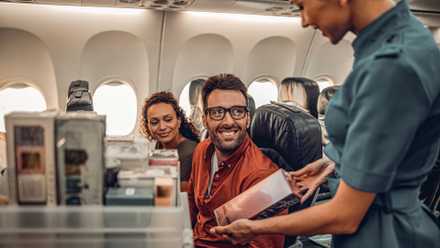
From Goody Bags To Overhead Bins: The Passenger Habits Flight Attendants Actually Love
Every little makes a difference to our day.
One Small Gesture Can Change The Tone Of The Flight

For flight attendants, boarding is one of the busiest parts of the entire flight. They are managing safety checks, monitoring passengers, answering questions, and helping keep the cabin organized before departure. They notice all sorts of things (some good, some bad), but there is one small gesture that tends to stand out more positively to them than anything else: simply acknowledging the crew while boarding the aircraft.
Something as basic as making eye contact, smiling, or saying hello is often noticed immediately. Also, during the flight, simple things such as saying thank you, remaining patient during busy periods, or speaking respectfully to the crew are usually appreciated. It shows an understanding that flight attendants are trying to keep the flight safe, organized, and comfortable while managing hundreds of passengers at the same time.
Indeed, cabin crew notices these interactions just as much as they notice disruptive behavior. While nobody is guaranteed special treatment, friendly passengers may sometimes receive small gestures in return, whether that is an extra snack, another drink, or slightly more attentive service during the flight.
Small Boarding Habits Often Reveal More Than Passengers Expect

Ultimately, cabin crew notice far more during boarding and throughout the flight than most passengers realize. Indeed, boarding is one of the few moments when flight attendants can assess hundreds of passengers in a short period of time before the aircraft leaves the ground. From the moment you step onto the aircraft, they are already observing small details.
The way someone stores their luggage to how they navigate the cabin, interact with the crew, or respond to the boarding process itself can quickly reveal whether a passenger is an experienced traveler or someone flying less frequently. At the same time, many of these observations have little to do with judgment and far more to do with safety, efficiency, and understanding how best to manage the cabin before departure.