dailynewsnblog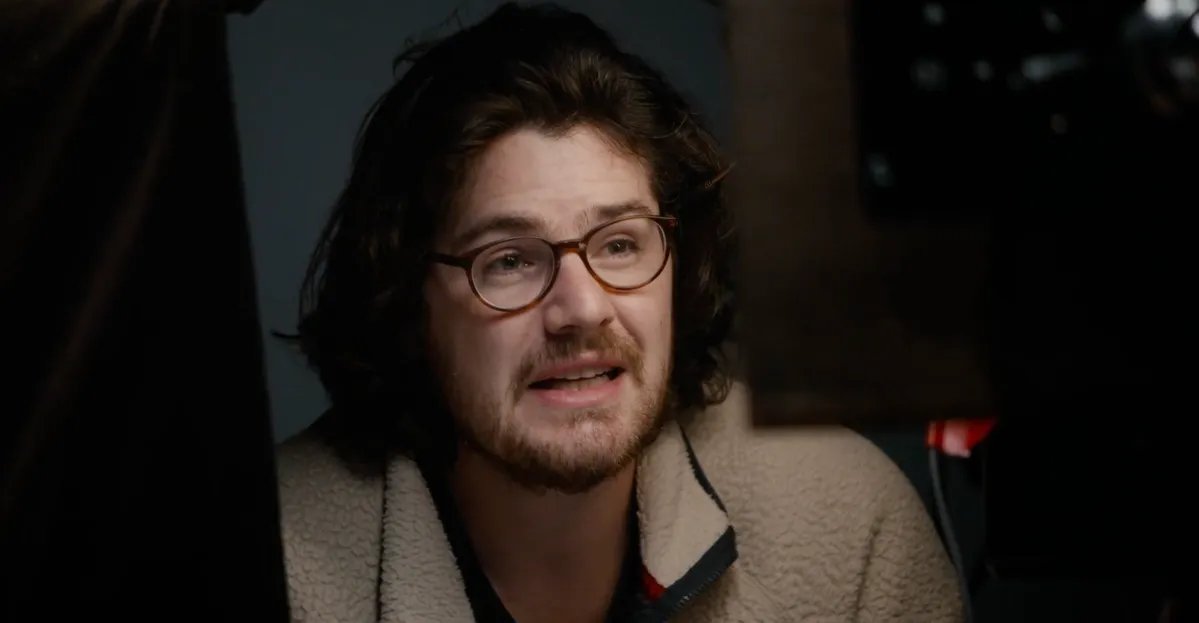
We are in the thick of a massive push to incorporate generative AI into almost every aspect of our lives, but it is still easy to be confused about what it is and how it works. It doesn’t help that many of gen AI’s proponents and detractors both speak about it with a feverish hyperbole that comes across like fantastical ad copy. And the rate at which AI firms release new iterations of their products can make it hard to keep track of what’s going on in the industry as a whole.
In The AI Doc: Or How I Became an Apocaloptimist, codirectors Daniel Roher and Charlie Tyrell attempt to make sense of this moment in gen AI’s rise to prominence The film features researchers, developers, and gen AI company CEOs — the exact people you would want to see a documentarian speak with about this genesis and possible future of this technology. But as much excellent access as The AI Doc’s production team was able to secure, the documentary barely makes an effort to use it effectively. The AI Doc is imaginatively produced with clever art direction, but it lacks substance and doesn’t say anything truly insightful about its subject matter. At a time when people could really use a thoughtful primer about how gen AI is already impacting their lives, this documentary fails to meet the moment.
The AI Doc is also a story about one man’s (codirector Roher) general anxieties about gen AI’s impacts on society. Early into the film, Roher (who won an Oscar in 2023 for his documentary Navalny) introduces himself as someone who doesn’t have the strongest grasp on what models like ChatGPT, Claude, and Gemini really are. But he has heard portentous headlines about how gen AI could give rise to sentiment machines that destroy humanity, which scares him because he and his wife — Caroline Lindy — are expecting a baby. Roher wants a better understanding of this new technology that makes him wonder what kind of world his child will be born into. So, he sets out to speak with a number of experts with different perspectives on AI.
The documentary is structured into four acts that map the arc of Roher’s feelings as he interviews AI doomers, accelerationists, academics, and some of the industry’s most powerful executives. Roher leads with pessimists like Center for Humane Technology cofounders Tristan Harris and Aza Raskin who both frame AI as an existential threat that could lead to societal collapse. One interviewer insists that there could be a robot uprising that ends in humanity’s destruction, and the documentary cuts to clips from The Terminator and The Matrix. And in response to Roher asking if an apocalypse scenario is on the horizon, the documentary’s AI critics often respond with ominous variations of “maybe” and “probably.” This kind of fearmongering doomerism is one of the most prominent forms of advertising that AI firms have used to convince people that their products must be taken seriously.
Roher — who presents himself as a kind of guileless audience surrogate — seems to take these statements at face value — especially in moments when he turns the camera on himself to wax emotional about the gravity of his impending fatherhood. Notably, The AI Doc never takes a beat to explore the ways that AI has upended aspects of filmmaking, which is something you would think might concern an artist / director like Roher, whose hand-drawn sketches and paintings are used throughout the documentary as a way to visualize his feelings. The lack of commentary about how AI is impacting Hollywood and the lives of creative professionals feels particularly glaring because of how much The AI Doc relies on animated sequences produced by Toronto-based studio Stop Motion Department to illustrate its finer points.
Roher’s dim outlook on AI begins to shift as the documentary introduces optimists like Anthropic president / cofounder Daniela Amodei and LinkedIn cofounder Reid Hoffman who insist that now is actually the ideal time to become a parent because AI is about to unlock all kinds of new possibilities in a future utopian society like easily accessible, bespoke healthcare. It feels like Roher is trying to give the audience a “fair” overview by contrasting these two sides of the AI debate. But by giving its doomer and accelerationist voices so much time to present AI’s most hyperbolic potential outcomes with little pushback, the documentary’s first half plays more like an overlong advertisement for the technology as opposed to a piece of measured analysis.

Image: Focus Features
The AI Doc is on much stronger footing as it shifts to conversations with journalists including Karen Hao and whistleblowers like Daniel Kokotajlo who speak at length on how AI products are reflections of the companies that build them. Whereas the film’s first two segments frame generative AI as an almost magical thing that can’t be fully understood, the third spells out how many LLMs are really just sophisticated pattern recognition machines that need to be trained on huge amounts of data to function. The third act also briefly touches on some of the real harms the big push for AI is currently causing. But because The AI Doc powers through each of its segments so briskly, some of its most keen observations — like the way these companies rely on brutal, underpaid human labor to process their datasets — about AI don’t get as much emphasis as they should.
At one point, Roher acknowledges that all of the conversations he’s having will feel outdated by the time The AI Doc releases because of how quickly AI is advancing and being deployed. That becomes especially true as he sits down with OpenAI head Sam Altman and Anthropic CEO Dario Amodei. Roher had no way of knowing that his film would be debuting at a time when Altman is under fire for securing a deal with the Department of Defense to provide models that can be used for mass domestic surveillance. Roher also could not predict that Amodei would spend weeks fighting with the Pentagon over Anthropic’s refusal to give the government unchecked access to its technology (and that its AI would be used to strike Iran). But when you come to the film with some awareness of what’s going on in the news, Roher’s softball questions to these industry heads about their feelings on the future feel shallow.
As companies and governments continue to push AI into basically everything, the public needs more thoughtful interrogations of the technology that leaves them with a strong understanding of its potential benefits and the ways that it can be weaponized against them. Unfortunately, The AI Doc doesn’t rise to the occasion.
The AI Doc: Or How I Became an Apocaloptimist hits theaters on March 27th.