dailynewsnblog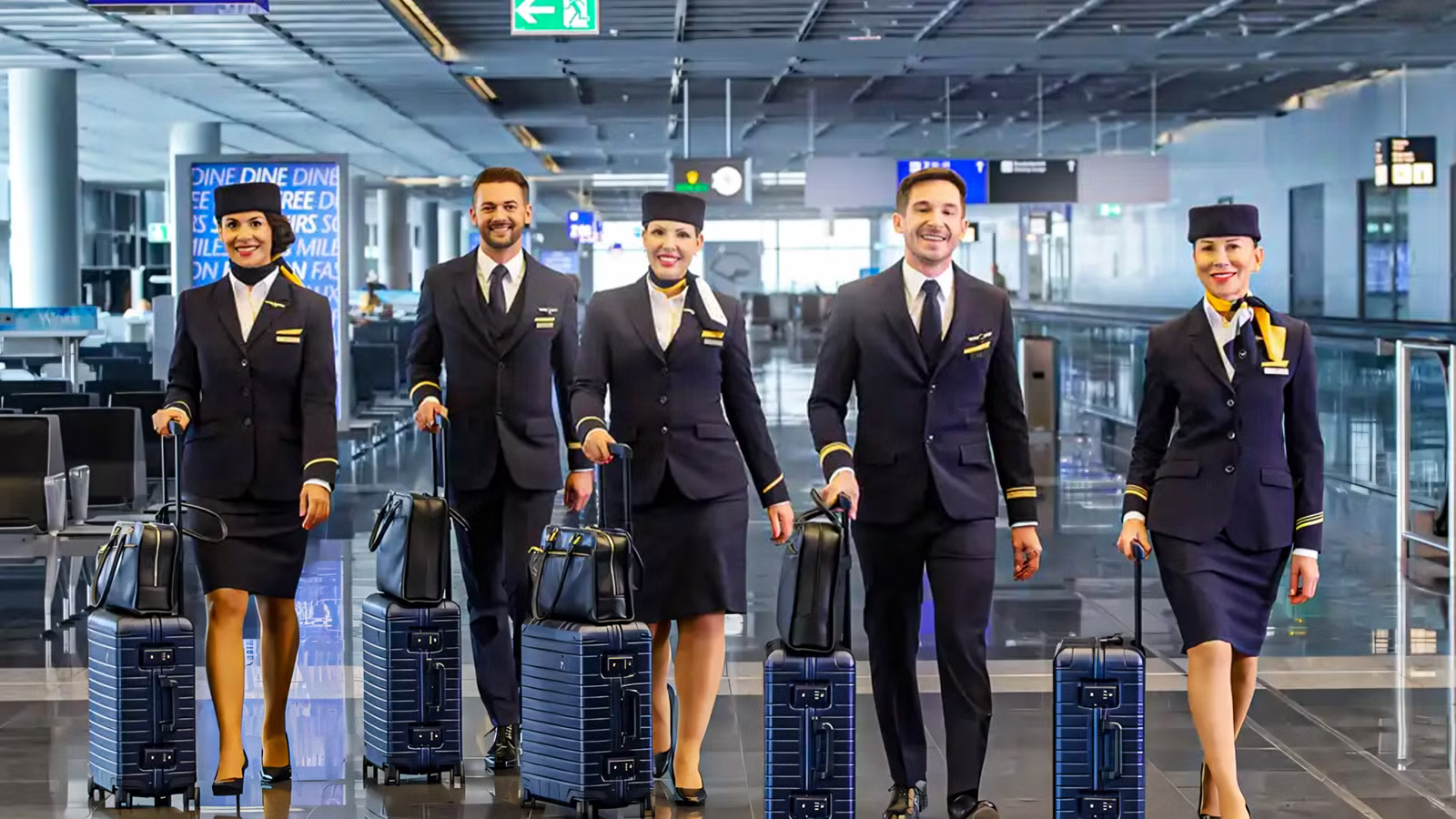
Safety and security are very much part of the flight attendant role, and this doesn’t stop once they get to their destination. Airlines often advise crew members during initial training to stay as safe and secure as possible while on duty. The 90-second rule, or the ‘Hotel Autopsy’ as dubbed by Travel + Leisure, is a good procedure to follow when traveling anywhere and also useful for solo travelers.
Flight attendants and flight crew are always on the go, staying in different hotels around the world with different safety and security standards, so they must take responsibility for their own safety and ensure that, if anything goes wrong, they have the best chance of survival. So what exactly do they do once they get to their hotel room before they even unpack? Let’s take a look.
Inspect The Room

Once in the room, crew members check that there is no one following them or who can follow them into the room, before propping open the door with their suitcase. They then check that there is no one in the room, as sometimes reception may make a mistake and the room may already be occupied, or housekeeping may not have finished cleaning. Leaving the door open ensures that if someone is in the room, you can make a quick escape.
They then check that no one is hiding anywhere. It is not paranoia but a Safety protocol, as sometimes flight attendants can also be targets, and you cannot assume that a hotel room is safe. Flight attendants check behind the curtains, under the bed, in the bathroom and shower, and in the closets, just in case someone is hiding there. Only then can you safely close the door behind you, before making a few more checks. Check that any connecting room doors are locked. Place the ‘Do Not Disturb’ sign on the door.
It is also wise to check for any hidden cameras, if at all possible, although these can be extremely difficult to spot. The door locks must be checked, and there should be a double-lock mechanism. Some crew have their own personal locking device, or a door alarm, or just a door wedge to stop an intruder from entering the room. As a last resort, a chair can be wedged against the door, as the noise from the door hitting a chair would be enough to wake you up. The locks on any windows should be locked securely while sleeping.
Catch what other flight trackers miss
Emergency squawks, holds, NOTAMs — live signals, no signup.
Open tracker
Catch what other flight trackers miss
Emergency squawks, holds, NOTAMs — live signals, no signup.
Open tracker
Simple Safety Tips

Flight attendants also make sure that, when collecting their key card, they do not show their room number in public or say it loudly. Discretion is extremely important. The senior crew member usually takes a list of everyone’s room numbers, so that they know where everyone is. Crew members may also write down other crew members’ room numbers in case they want to meet up later to go out or need to contact them by phone.
Crew members are usually placed near each other, although at some hotels this isn’t possible, especially with a large long-haul crew. Hotel rooms are always above the first floor for safety reasons, as in the past female crew have been attacked by outsiders. If there is any outside space, like a balcony, make sure that the door locks securely. You should also check that the telephone dials out, so that you can contact someone in an emergency. When answering someone knocking on the door, always check the spyhole first before opening it, as it may be someone you do not know.
When putting items in the hotel safe, there is one trick that crew members use in order not to forget their items. They put one of their uniform shoes inside so that, when they put their shoes on to go back to work, there is no way to forget the items they put in the safe. Items such as laptops, phones, and watches should be kept out of sight when not in the room and locked in a suitcase.
In Case Of An Emergency

Another thing that flight crew and flight attendants do before settling into their room is to check where the nearest fire exit is. This can be checked on the fire exit map on the back of the hotel door. It is also a good idea to go into the corridor, look for the fire exit sign, and make a mental note of where it is located in case of an evacuation.
When traveling as a passenger, crew counts the rows to the nearest emergency exit; you can do the same by counting how many doors lead to the exit. Some crew members place a rolled-up towel at the base of the door to stop smoke from entering the room if there is a nearby fire. Keep a flashlight and spare key card by the bedside so you can leave the room quickly if you need to.
Crew are usually warned before the flight if there are any safety or security issues that they may need to know about. For example, knowing what to do in an earthquake or tsunami-prone area is important. Hotel rooms usually have instructions on what to do in these circumstances. Most hotels that crew use are four or five stars and have security guards in place; it can differ from country to country how much security there actually is.
Going Out During Layovers

Although most crew members go out in small groups as it’s safer and more fun, sometimes you need to go out alone. It is always a good idea to tell another crew member where you are going and when you expect to be back, or leave a note in your room. Usually, one flight attendant on the crew will have been to the destination before, so they can guide the crew on where to go. It’s always important to know where not to go.
When out and about, crew never dress like tourists or wear anything expensive, and they stay very low-key. They carry a small amount of cash and take some form of ID with them. At nighttime, they stay with another crew member or in a group and stay in well-lit areas. They stay situationally aware; if something feels out of place or wrong, it usually is, so they will head back to the hotel or a safe place. The hotel key cardholder usually has the hotel address, so you can use it to explain to a local taxi driver where you need to go, including the room number. Always ask for the fare before getting a taxi, and don’t use it if the meter is broken.
At a bar or restaurant, locals may recognize groups of flight crew and flight attendants, as they tend to frequent the same places at similar times. Scams have occurred where there is no price list, and crew is overcharged. Drink spiking is something to be aware of too, as crew members have been targeted and then taken to ATMs to take out cash by the perpetrator.
Security Threats?

At the Airport and at the hotel, crew keep an eye on their bags at all times, so that nothing goes missing or is put inside. Crew members always check that all their bags are loaded onto the crew bus to and from the airport. Sometimes extra security measures are needed, and there may be a security guard or the bus may have curtains that must be closed so we are not identified as crew. In some places, crew buses have been targeted in roadblocks and crew members robbed.
Crew members should never disclose where they are staying, as it becomes a security risk. Unfortunately, crew members can become targets as people often know when we arrive and leave, recognize uniform items, and can spot groups of crew. It may be as subtle as three female crew being out together, and a shop owner may know they are crew because they have the same earrings and the same nail polish.
The most dangerous cities for flight attendants:
- Rio de Janeiro, Brazil
- São Paulo, Brazil
- Kingston, Jamaica
- Mexico City, Mexico
- Johannesburg, South Africa
Some people may believe that flight attendants, because of their uniform and presence, are wealthy and carry expensive items. A flight attendant may not always know the local customs and areas of risk; for example, some cities are well known for pickpockets. In a few cities, crew are advised to stay in the hotel and not go out at all during a layover, due to potential risks of the local environment.
The Bottom Line

Airlines, as a rule, look after their crew when downroute, but the unexpected can happen, and crew members can be a target. Hotels are generally in safe areas and are of high quality with appropriate security. However, crew also need to be very aware of their own safety at the hotel and when out and about, and be very aware of their surroundings.
The 90-second hotel rule for checking a hotel room is a standard procedure ingrained in flight attendants, as they stay in so many hotels in different countries with varying levels of safety. It is always better to spend a few minutes checking things than to take a risk or not know what to do. As safety and security are so important to crew anyway, it is perhaps not altogether surprising that they take measures to stay safe.
Unfortunately, things still occasionally happen, however safe and consistent we may be, and it might be a case of being in the wrong place at the wrong time. Flight attendants tend to look after each other both on and off the aircraft, so there is usually someone there who’s got your back.