dailynewsnblog
The sheer scale of international aviation within the United States is nothing short of a marvel, driving the circulatory system for the global economy. As air travel continues to rebound and expand, these seven primary gateways act as the vital ports where cultures, commerce, and millions of travelers converge every single day. This list highlights the specific airports that carry the heaviest burden of transoceanic and international arrivals, revealing how global connectivity is distributed across the country.
These hub rankings are based on 2025 international passenger traffic data, moving from the seventh-largest gateway to the undisputed leader. From this list, we will gain a clear perspective on which regional airports are truly essential to the nation’s global standing and which hubs are currently serving as the busiest international landing zones for travelers entering the US.
7
George Bush Intercontinental Airport (IAH)
12.4 Million Passengers
 Houston George Bush Intercontinental Airport (IAH) solidified its role as a premier connection point, handling 12.4 million international passengers. This record-setting performance reflects the airport’s strategic importance as a primary conduit between the United States and the diverse markets of Latin America, Europe, and increasingly, Asia.
The airport’s growth is bolstered by an expanding route map, highlighted by KHOU, that connects the energy capital of the world to key financial and industrial hubs across the globe. With a focus on aggressive international expansion, Houston has positioned itself as the dominant gateway for the south-central United States, effectively bridging regional economies with international partners.
Houston provides a massive system of connectivity that is specifically designed to facilitate efficient transfers. With over 70 international destinations served, it remains a critical linchpin for both leisure tourism and business travel, allowing Houston to remain competitive on the world stage as the demand for international transit continues to climb.
6
Chicago O’Hare International Airport (ORD)
14.8 Million Passengers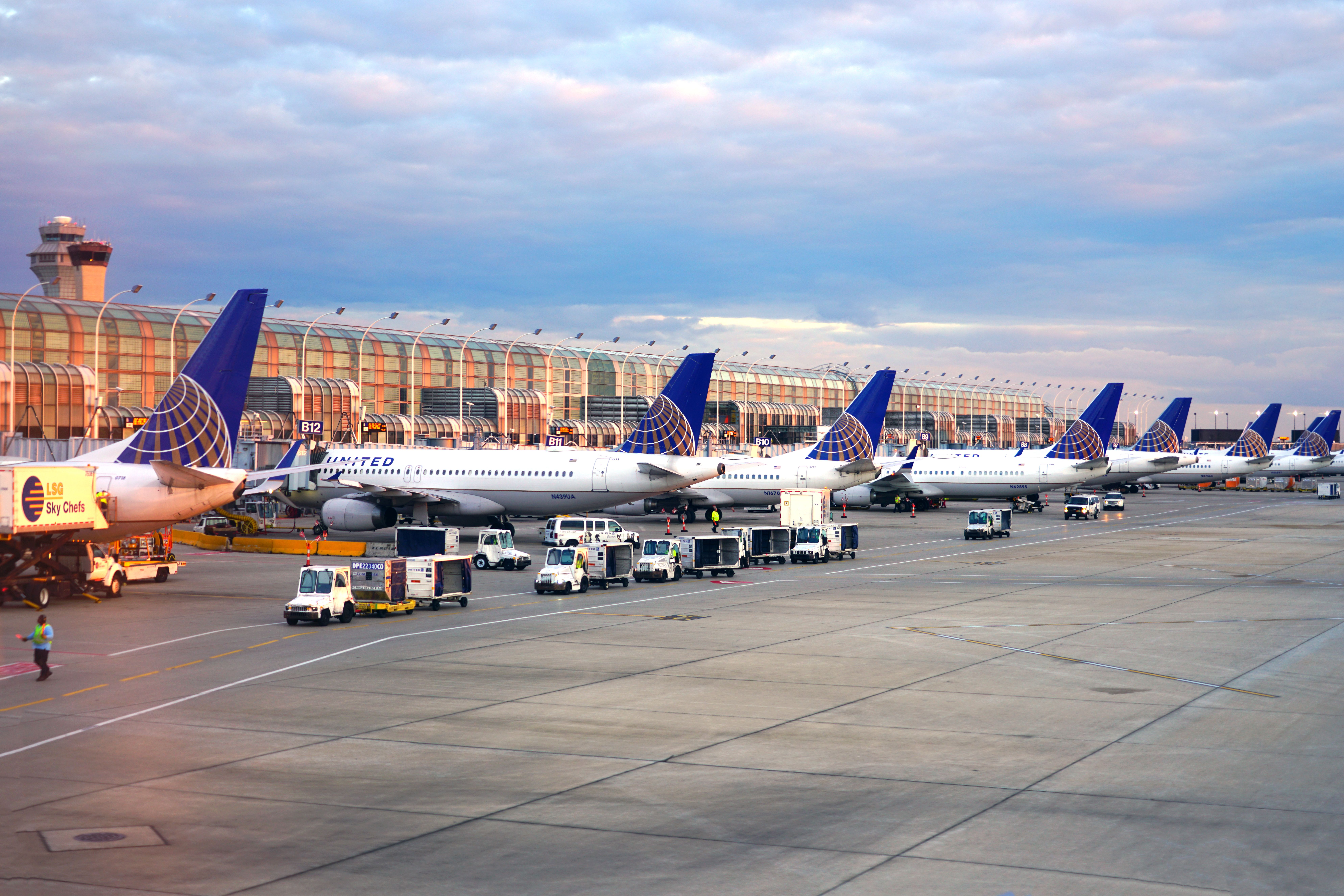
As a historical titan of the aviation world,  Chicago O’Hare (ORD) remains a powerhouse, serving 14.8 million international travelers. It may no longer hold the title of the absolute busiest airport globally, but its sheer capacity to manage high-volume international flows from Europe, Asia, and the Americas is unmatched in the Midwest.
O’Hare functions as the primary international entry point for the heart of the country, and dominates overall in terms of metrics. Its ability to manage nearly 857,000 total aircraft movements annually allows for a complex, high-frequency schedule that keeps Chicago deeply integrated into the global network. It is a massive, complex engine of transit that never truly sleeps, which makes Chicago truly vital for many of the largest carriers in the US.
O’Hare is what truly shows the sheer scale of the US hub system, where dozens of carriers coordinate to provide a seamless connection point to the rest of the world. Its ongoing infrastructure improvements, such as the O’Hare 21 project, are aimed at maintaining this relevance, ensuring the airport keeps pace with the surging demand for international flight options.

The 10 Largest Airline Megahubs In 2025
How many of the airports on the list do you know?
5
Newark Liberty International Airport (EWR)
15.2 Million Passengers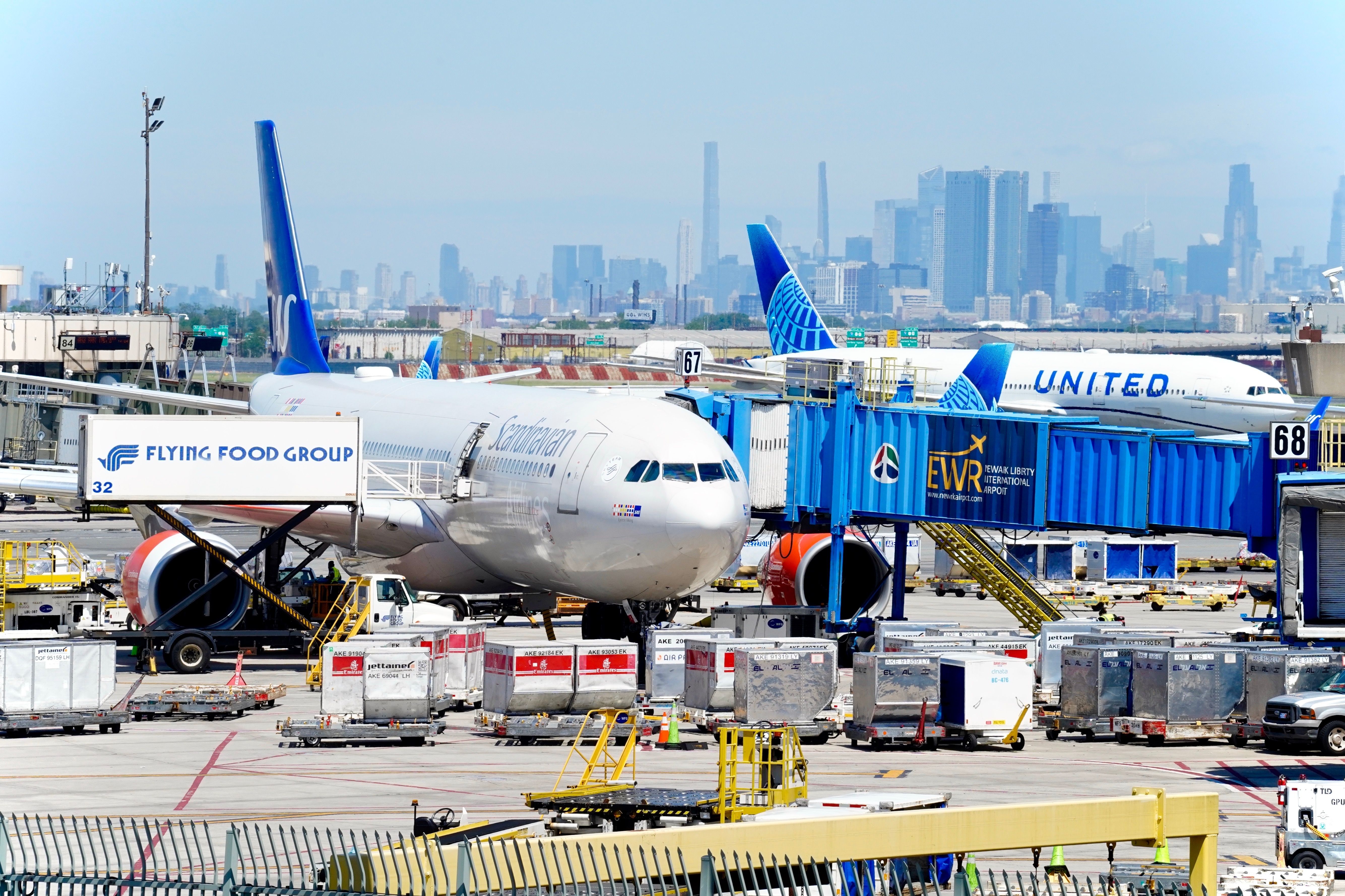
 Newark Liberty International Airport (EWR) handled approximately 15.2 million international passengers, just a touch more than Chicago, but differently here is the fact that Newark is not the busiest airport in its region. While it operates in the shadow of JFK, Newark is a vital component of the New York City region’s international connectivity, functioning as a massive hub for major carriers that prioritize transatlantic and global routes, particularly for
  United Airlines and its impressive route network from the East Coast.
Despite facing significant air traffic control staffing challenges throughout 2025, Newark demonstrated remarkable resilience. Its ability to serve as a high-frequency, premium-focused gateway for international travelers, particularly those seeking efficient access to the Manhattan business corridor, makes it an indispensable part of the Port Authority’s commercial airport system.
The airport continues to see high demand for international travel, with record months logged even amidst operational constraints, according to NJBIZ reports. This highlights the airport’s strategic importance; it is not just a secondary hub anymore, but a primary entry point for global travelers who demand direct access to the most dynamic metropolitan area in the nation.
4
San Francisco International Airport (SFO)
15.9 Million Passengers
 San Francisco International Airport (SFO) saw its international passenger numbers rise to 15.9 million in 2025. As the West Coast’s premier technological and transpacific hub, SFO is uniquely positioned to handle the high-volume travel demand generated by the Silicon Valley corridor and its deep, permanent links to Asian markets. New links, including United Airlines’ upcoming services to Sapporo, reflect this, with airlines across the board increasing frequency to many destinations across Asia.
SFO’s international traffic is a testament to the region’s specific economic needs. It serves as the primary gateway for business and leisure travelers heading to and from Japan, China, and Southeast Asia, offering a high density of non-stop widebody services that are rarely matched by other regional airports in the US. This unique position that SFO occupies, as reported by Aviation Week, allows it to grow its international passenger presence consistently year-on-year.
The airport’s focus on long-haul international travel ensures that San Francisco remains one of the most vital nodes in the global flight network. With international passengers now representing nearly 30% of its total traffic, SFO is actively refining its terminals to better accommodate the massive widebody aircraft that define its operations.
3
Los Angeles International Airport (LAX)
23.6 Million Passengers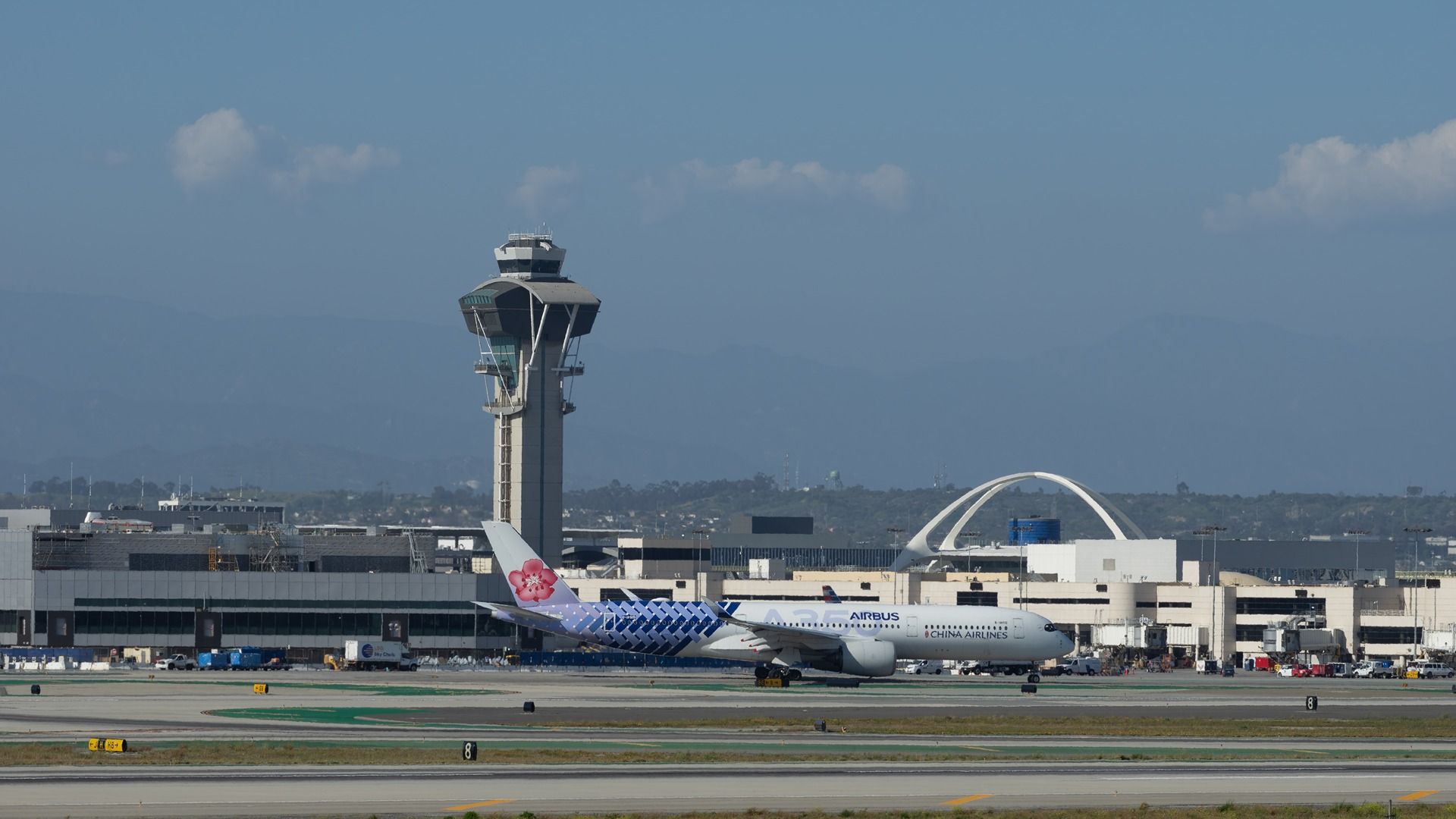
 Los Angeles International Airport (LAX) remains an ever-dominant force in international aviation, recording 23.6 million international passengers in 2025. As the primary gateway for the western United States, LAX serves as the essential meeting point for the vast majority of transpacific traffic, connecting North America to the Far East and Oceania. It is the king of the West Coast, outperforming all airports in this part of the nation for international passenger numbers.
LAX is quite like a front door for international visitors arriving in California, being one of the most well-connected airports globally, and the airport’s sheer volume of widebody aircraft movements makes it one of the most complex environments in the world. Its geographic position allows it to capture a massive share of the Pacific market, securing its status as a top-tier international hub.
Despite a slight decrease in overall volume, the airport’s international segment remains remarkably strong. The stability of these international flows underscores the deep economic and cultural ties between Los Angeles and its global neighbors, confirming that LAX will continue to be a necessary destination for any major international airline.
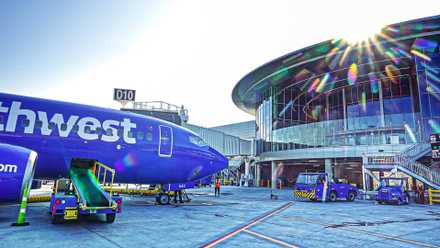
The Massive US Airport Expansions That Will Transform Air Travel
Several of the country’s largest airports are currently undergoing significant overhauls.
2
Miami International Airport (MIA)
24.8 Million Passengers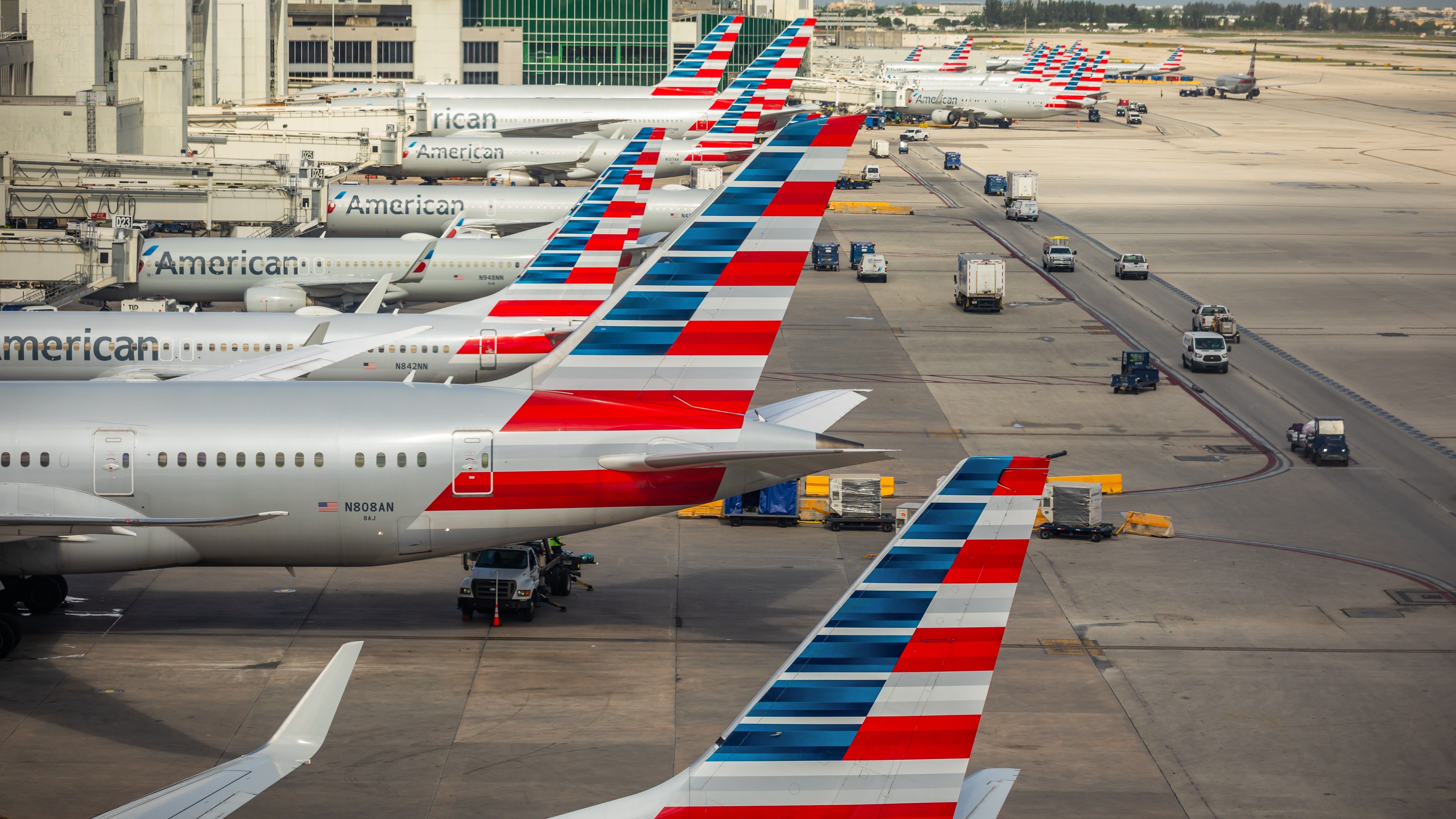
 Miami International Airport (MIA) is the clear unanimous king of Latin American and Caribbean connectivity, serving 24.8 million international passengers in 2025. This massive figure is driven by a unique geographic and strategic advantage, with MIA acting as the primary hub for American Airlines’ massive network serving the Americas.
MIA’s role is distinct from other hubs because it prioritizes north-south traffic flows and is in the prime location to facilitate such connections. Its ability to move millions of passengers from across the Caribbean and Central and South America into the United States is almost unparalleled, making it an essential anchor for US-Latin American trade, tourism, and family travel.
The airport is not only a passenger hub: it is also a global leader in international freight, handling massive volumes of cargo that bolster the entire regional economy. This dual-focus, serving both global passengers and essential cargo, keeps Miami as one of the most critical and economically vibrant international gateways in the Western Hemisphere.
1
John F. Kennedy International Airport (JFK)
34 Million Passengers
New York John F. Kennedy International Airport (JFK) stands alone at the top of the list, having served over 34 million international passengers in 2025. As the nation’s premier international gateway, JFK hosts more than 90 airlines, with a sheer density of global service that dwarfs every other airport in the United States by a significant margin.
JFK is the face of international travel to the US in today’s landscape, and is likely to remain in this position for some time. From its iconic historical terminals to its massive, modern infrastructure upgrades, it is the primary entry point for transoceanic travelers arriving from Europe, the Middle East, and Asia. It is, in every sense, the heartbeat of the American international aviation system.
The airport’s ability to handle this massive international volume, consistently and efficiently, is a logistical achievement that sets the standard for the industry. As it continues to push forward with multi-billion dollar renovations, JFK is not just looking to remain the busiest, but it is looking to define what the future of international air travel will feel like for the millions who pass through its gates each year.