dailynewsnblog
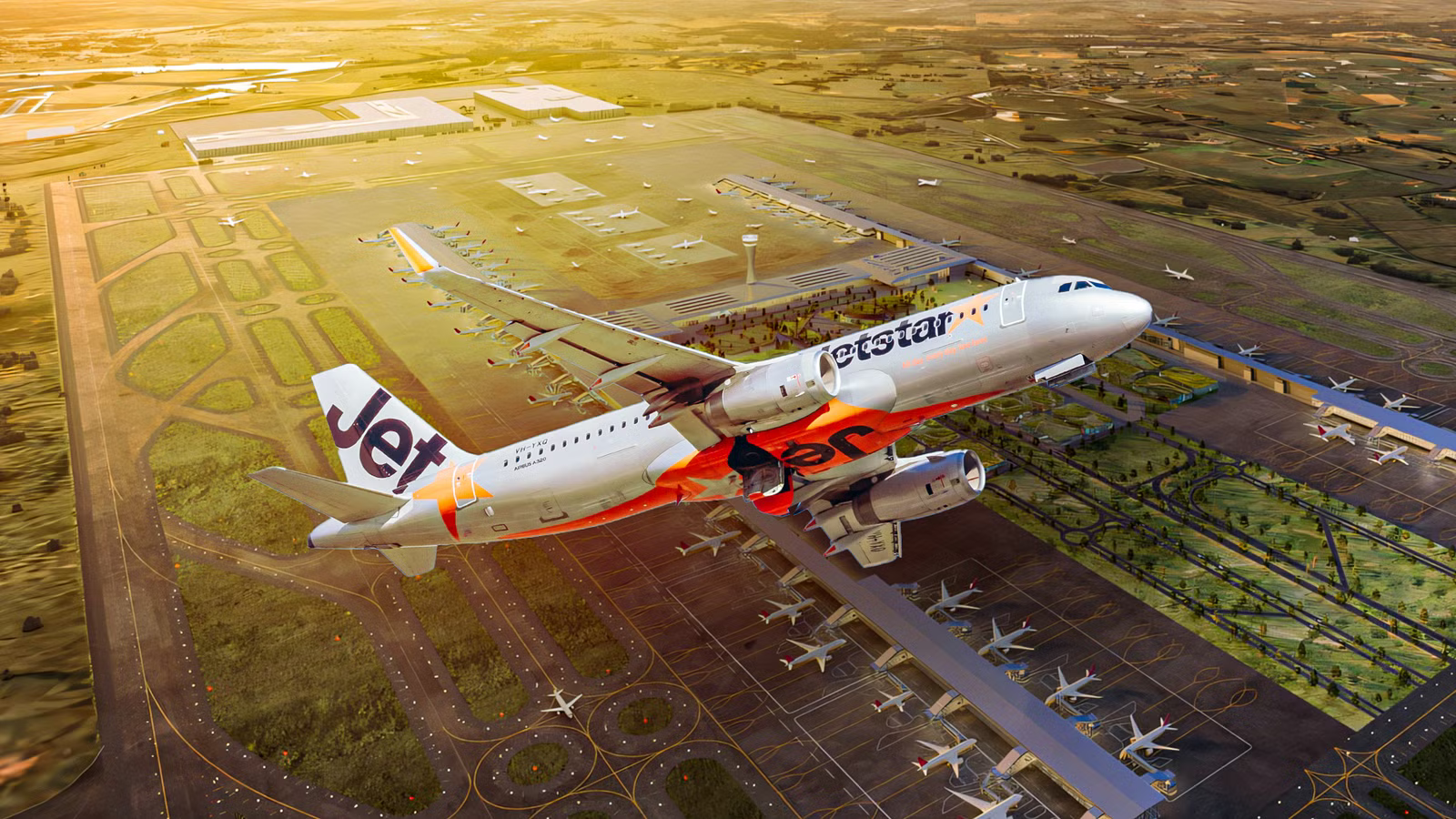
Sydney’s brand-new Western Sydney International Airport (WSI) is currently gearing up for domestic and some limited international operations over the next year. One of the biggest reasons why the new airport has been built is to provide a curfew-free alternative to Sydney’s main  Sydney Kingsford Smith Airport (SYD).
In July, the Australian government announced four airlines that will be operating from the new airport, with at least two more announcing they will also fly there since the announcement. Fortunately for the Western Sydney airport, these airlines appear to be scheduling throughout the day, so it won’t just be operating as the backup for when Sydney Kingsford is closed for curfew. While the airport has humble beginnings, it also has plans to eventually be one of Australia’s largest airports.
Western Sydney International Airport Is Commencing Operations

In June 2026, the Australian government announced that the new Western Sydney International Airport (WSI) would operate its first freight flights on July 27, 2026, and passenger flights on October 25, 2026. The government noted that “the new airport will provide travellers and businesses with better access to domestic, international and freight services. It will also help meet Sydney’s growing demand for air travel and freight.”
The new airport is set to complement Sydney’s primary international airport and will allow for curfew-free operations. It is located around 27 miles (44 kilometers) west of the Sydney CBD and will be a secondary international airport. Western Sydney is finally ready after seven years of construction and a year of testing.
The primary Sydney Airport (Kingsford Smith Airport) currently handles around 42.5 million passengers and is operating close to capacity. With that being said, Australia has a plan to boost its capacity to 72 million passengers over the next 20 years. By contrast, the new Western Sydney Airport only has an initial capacity of ten million passengers, placing it solidly into complementary, not replacement, territory.
The First Western Sydney Operations

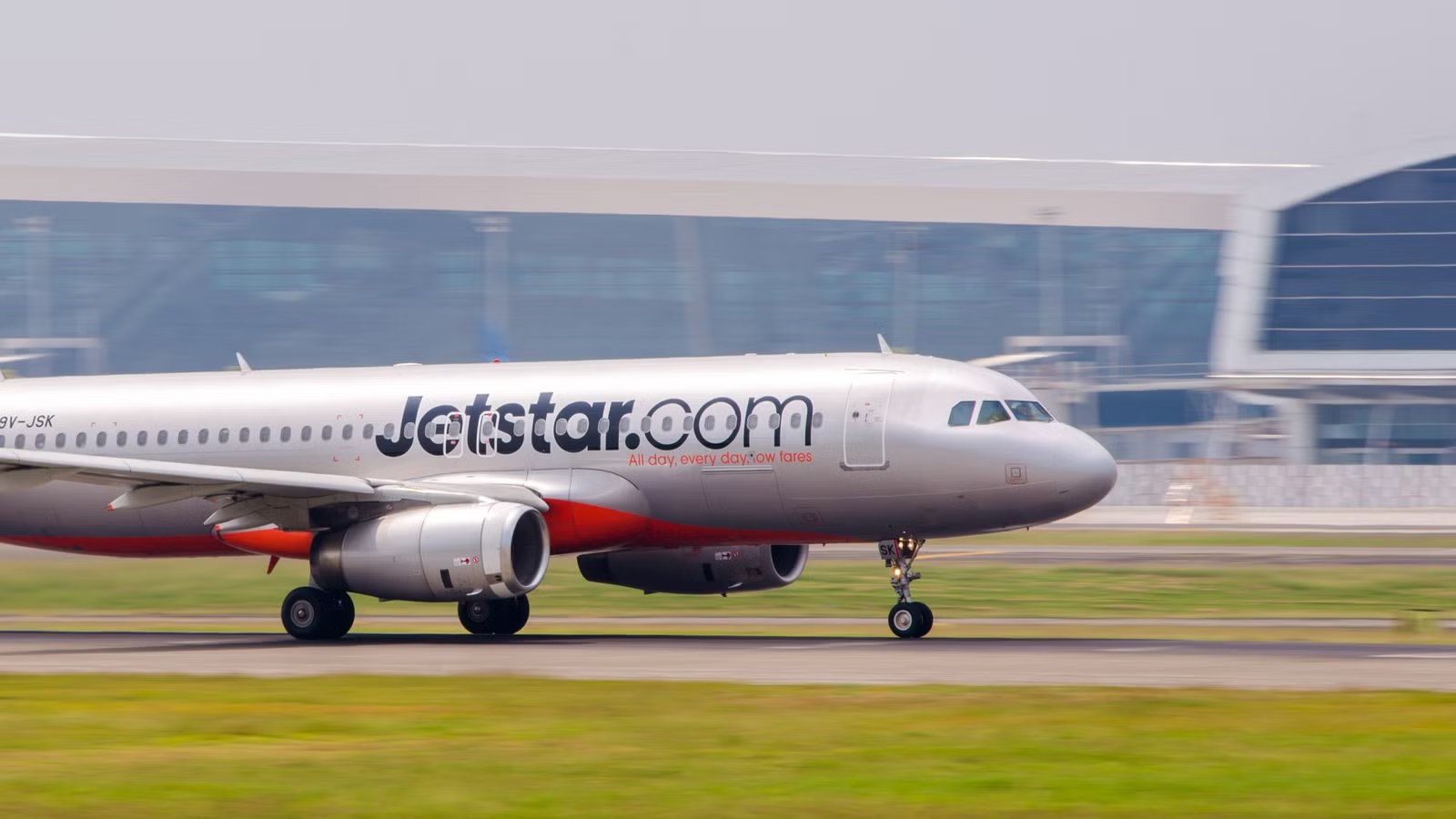
The first passenger flight will be operated by Qantas’ low-cost subsidiary, Jetstar. The flight will be an Airbus A320 bound for the Gold Coast just south of Brisbane. From launch, Jetstar will operate up to 14 flights a week to Melbourne, four weekly flights to the Gold Coast, and three to Brisbane. Australia has previously announced that Jetstar and Qantas would be the first to operate at the airport, although that was for Qantas Freight and QantasLink.
The first international airline to operate at the new airport is to be Air New Zealand, which is scheduled to start flights from New Zealand’s busiest airport, Auckland, in October 2026. Singapore Airlines will join the following month. The first passenger Qantas flights will be four flights a week to Brisbane and four flights a week to Melbourne through its regional QantasLink brand.
QantasLink will start moving some passenger operations to the new airport in March 2027, making Qantas’ passenger flights later than Air New Zealand and Singapore Airlines. So far, Jetstar, Qantas, Singapore Airlines, Air New Zealand, Vietjet, and Fiji Airways (from March 2027) are the only confirmed airlines to operate out of Western Sydney. Notably absent is Qantas’ mainline international brand, as announcements only include Jetstar, QantasLink, and Qantas Freight.
Qantas: The Curious Case Of The Missing Flag Carrier

Qantas brands itself as the ‘Spirit of Australia’ and is the official flag carrier, and it dominates Australia’s international routes. Its rival, Virgin Australia, also operates some international routes, but it has a substantially lower share of the market and relies more on its partnerships.
However, the Flying Kangaroo’s mainline operations are missing from the announced lineup set to migrate to Western Sydney. Qantas’ declared operations are low-cost and/or domestic. Qantas already has an extremely valuable Sydney hub at Kingsford Smith and appears to be reluctant to split its international operations.
Western Sydney Airport Specs (Per the Australian Government) | |
|---|---|
First passenger operation | October 25, 2026 (Jetstar) |
Announced airlines | Jetstar, QantasLink, Qantas Freight, Air New Zealand, Singapore Airlines, VietJet, Fiji Airways |
Notable missing airlines | Qantas mainline operations (domestic and international), Virgin Australia |
Initial airport capacity | Ten million |
Eventual planned capacity | 82 million |
Role | Complementing Sydney Kingsford Smith, especially with curfew constraints and to absorb growth |
It appears unconvinced that establishing flagship international routes from Western Sydney will generate more passengers. As a premium airline, it is more concerned with high-yield passengers who want better access to downtown Sydney and Qantas’ established suite of lounges at Kingsford Smith. It may be that Qantas will take a wait-and-see approach and watch competitors like Singapore Airlines prove the market.
For now, it remains unclear when Qantas will start moving flagship long-haul routes to the new airport, or start generating new routes, especially inside of SYD’s curfew period. The other elephant not in the room is Virgin Australia, Australia’s second-largest airline. Virgin Australia has not provided a public explanation for its current absence, and it is unclear why it has not yet announced any operations.
Sydney’s Longstanding Curfew Issue

The Australian government boasted that “Western Sydney’s new 24-hour airport is the centrepiece of the Albanese Labor Government’s near $18 billion investment in Western Sydney, including the future Sydney Metro Airport rail connection and significant road upgrades to nearby Elizabeth Drive, Fifteenth Avenue and Mamre Road.”
Government self-promotion aside, the curfew-free status of the airport is significant. Since 1996, Sydney Kingsford Smith has had a legislated 11:00 pm to 6:00 am local curfew. In general, this means that large commercial passenger aircraft are prohibited from taking off and landing during those seven hours.
The curfew has significant impacts on how airlines schedule their aircraft, plan connections, and recover from delays. Notably, a limited 5:00 am to 6:00 am shoulder period allows up to 24 international passenger landings weekly, a maximum of five operations a day, and no international passenger departures.
The 11:00 to midnight shoulder period is more restrictive. SYD also limits operations to up to 80 aircraft movements per hour, with a daily movement limit of 1,360. The new Western Sydney airport is intended to help relieve these restrictions. It will also help build resilience into the system. For example, if an arriving aircraft is late and will miss its curfew, it can plausibly reroute to Western Sydney instead of to another airport further away.
Expanding Sydney’s Combined Capacity

Western Sydney was always planned and approved to operate on a 24/7 curfew-free basis. It has been designed to take some of the pressure off SYD and absorb some of the growth that the primary gateway can’t cope with. As stated, the current initial stage of the airport will only have capacity for up to ten million annual passengers.
However, this is only the beginning, as there are long-term plans to progressively build out the airport to the point where it can handle 82 million passengers. It is also worth noting that Singapore Airlines’ A350 route to Western Sydney is not a rerouting of a Sydney Kingsford flight: instead, it is an additional daily service.
The flight is due to depart at around 11:55 pm, during SYD’s curfew period. This is allowing Singapore to add capacity to Sydney. The detail is important for Western Sydney as it will already be generating more flights. Taken together, the two Sydney airports are set to dramatically expand the aviation capacity of Sydney in the decades ahead.
Currently, the new airport adds another ten million passengers to Sydney’s 40+ million capacity. However, the Master Plan 2045 is set to boost Kingsford Smith’s capacity by 75% to 72.6 million, while also expanding its freight capacity by 133%. This would give Sydney a combined capacity of around 155 million passengers when both airports are fully developed.
Sydney Remains Australia’s Top Aviation Gateway Despite Melbourne’s Growth

There is some irony in the dramatic expansions taking place in Sydney. Sydney is Australia’s largest and most famous city. However, it is not the capital city (Canberra is), and it is projected to lose its status as Australia’s largest city in the early 2030s to Melbourne for the first time in Australian history.
Despite Melbourne overtaking Sydney, Sydney is expected to remain Australia’s premier gateway. Melbourne’s primary Tullamarine Airport already handles around 37 million passengers annually and is expected to reach a capacity of 76 million passengers annually by 2047. A third runway is scheduled for completion in 2031.
Melbourne’s airport has the benefit of being curfew-free and operating 24 hours a day. Other notable Australian airports subject to curfews include Adelaide and the Gold Coast. All of these are located in urban areas. There is some nuance to the headline airport capacity numbers, and they do not necessarily imply that planners actually expect that to be the passengers served in a given year.
Sydney’s need for a second airport is partly due to constrained geography and its curfew. Melbourne has room to expand. By 2050, the two regions are expected to be close to parity, with the Sydney region handling 88.2 million passengers and Melbourne 82.3 million. Even so, Sydney is expected to retain some tourism-related prestige advantages as the primary Australian gateway.
This route · Live
Watch – flights in real time
See every flight on this route today, with live altitude, speed and delays.
Follow this route
· Live
See ‘s fleet in the air right now
Every flight on the map, with delays, diversions and holds flagged
live.
Track
· Live
See what’s happening at right now
Live arrivals, departures, holds and go-arounds at the airport in this story.
Open live
Right now
Follow the sky’s most interesting moments, live
Holds, diversions and rare aircraft, spotted as they happen. Free, no signup.
Open the tracker