dailynewsnblog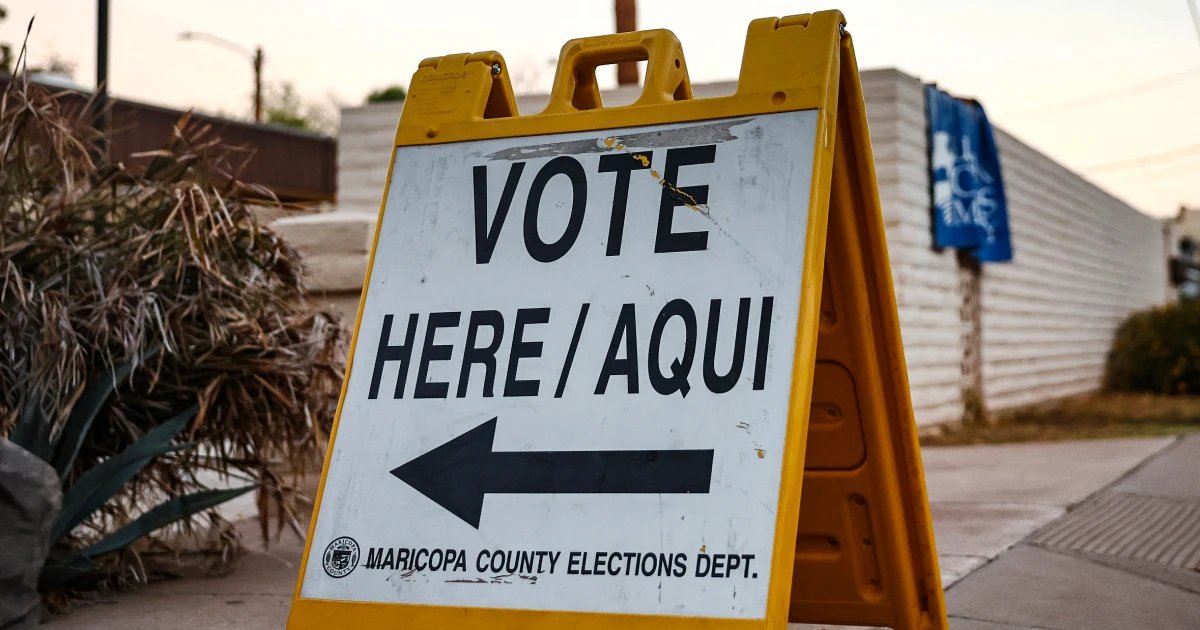
WASHINGTON — Taking up a new case touching on Republican warnings about alleged election fraud, the Supreme Court on Monday agreed to consider whether Arizona rules requiring voters to show proof of citizenship when registering to vote violate federal law.
Limited time: Save 25% on NBC News subscription
Get exclusive reporting, live Q&As and ad-free reading.

In the court’s next term, which starts in October, the justices will decide whether the state can seek more information than what is mandated under the federal National Voter Registration Act.
Under the Arizona law, people would have to show a birth certificate, passport or some other proof of citizenship in order to register to vote using the state registration form.
The case, arising from an appeal brought by the Republican National Committee, does not affect the separate process in which people can register using the federal form, which only requires that applicants attest they are U.S. citizens.
Separately, the court will also consider another Arizona provision that allows officials to conduct a purge of voter rolls in order to remove any noncitizen voters ahead of an election. The Supreme Court in 2024 allowed Virginia to do so just before that year’s election.
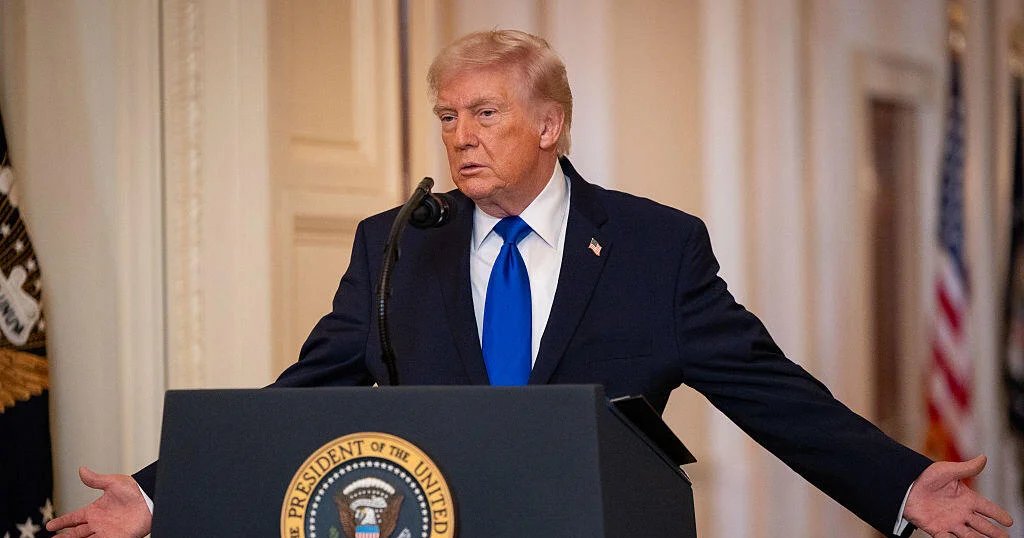
President Donald Trump has frequently alleged without offering evidence that people who are not U.S. citizens regularly vote in elections. His Justice Department has struggled to provide evidence of widespread voter fraud and non-citizen voting is illegal and rare.
The case, arising from a lawsuit filed by various civil rights groups, including Mi Familia Vota and Voto Latino, has a complicated backstory dating back to the Biden administration.
Arizona’s 2022 law, enacted by Republicans, was itself a response to a 2013 Supreme Court ruling that invalidated an earlier attempt to impose a proof-of-citizenship requirement for those using the federal form.
At an earlier stage of the litigation, the Supreme Court in 2024 allowed the proof of citizenship provision to go into effect.
The 2022 law contains other provisions that were successfully challenged in lower courts, including one imposing new requirements for those using the federal form, but those are not at issue in the Supreme Court.
In 2023, there were about 20,000 voters in Arizona who were registered to vote in federal elections only, as they did not provide the required proof of citizenship to the state.