dailynewsnblog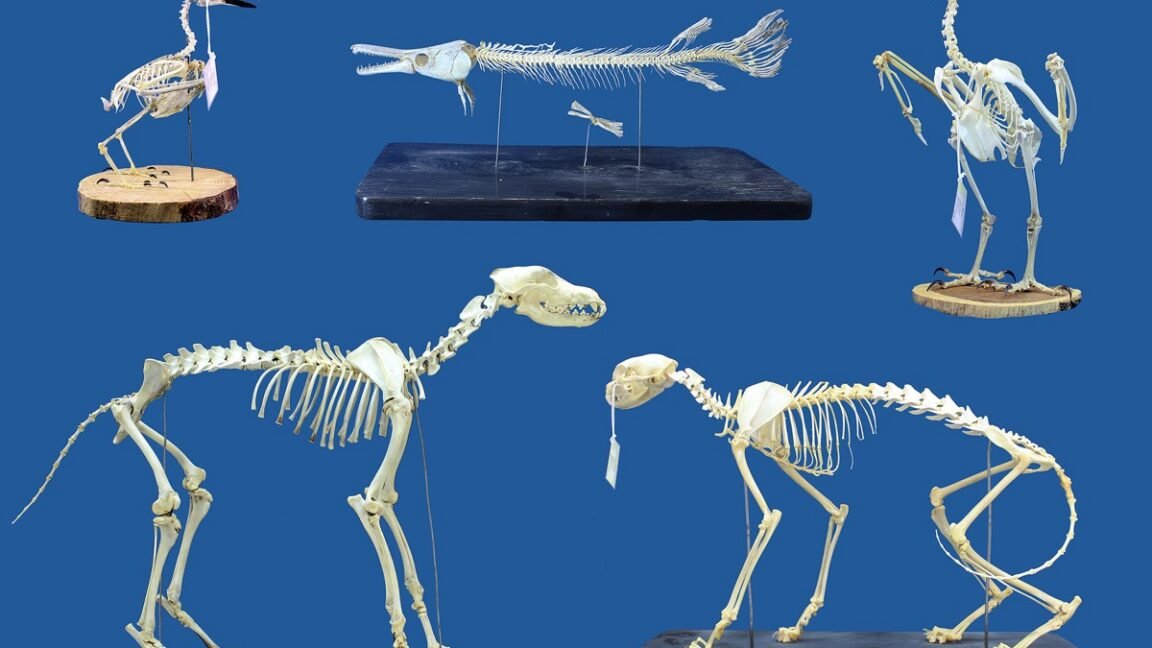
Fatemeh Rastekar, Niloofar Alaei Kakhki and Morteza Monfared discuss the safe and practical utility of superworm larvae for cleaning museum specimens. Credit: Anthony Lewis, PLOS/CC-BY 4.0
Preparing skeletal specimens for display in museums or for forensic studies requires the bones to be thoroughly cleaned to remove any remaining flesh or soft tissue. However, the need for thorough cleaning must be balanced against the risk of damaging the actual bones. According to a new paper published in the journal PLoS One, the larvae of so-called “superworms” (Zophobas morio)—a common pet food—offer a practical alternative.
There are existing methods for cleaning skeletal remains, such as burial, digestive enzymes, or chemical treatments. But most have drawbacks, including damaging bones, taking a long time to process, having expensive operational costs, or the use of environmentally hazardous substances. Using dermestid beetles has become the preferred method for skeletal cleaning since they can efficiently remove soft tissue without damaging the bone. The downside is that without strict containment practices, the beetles can escape and lay eggs that hatch, leading to infestations that threaten museum collections.
Fatemah Rastekar of Ferdowsi University of Mashhad in Iran and co-authors thought superworms might bring the same benefits as the beetles without the risk of infestation. For one thing, beetle colonies span all life stages and hence require complex containment; superworm cleaning only requires the larval stage, which lasts 10–12 weeks compared to just five to seven weeks for the beetles. And the larvae don’t pupate in crowded conditions, so it’s easier to manage the colonies while reducing the risk of escape. But could superworms match the cleaning efficiency of their rival beetles?
As the worm turns
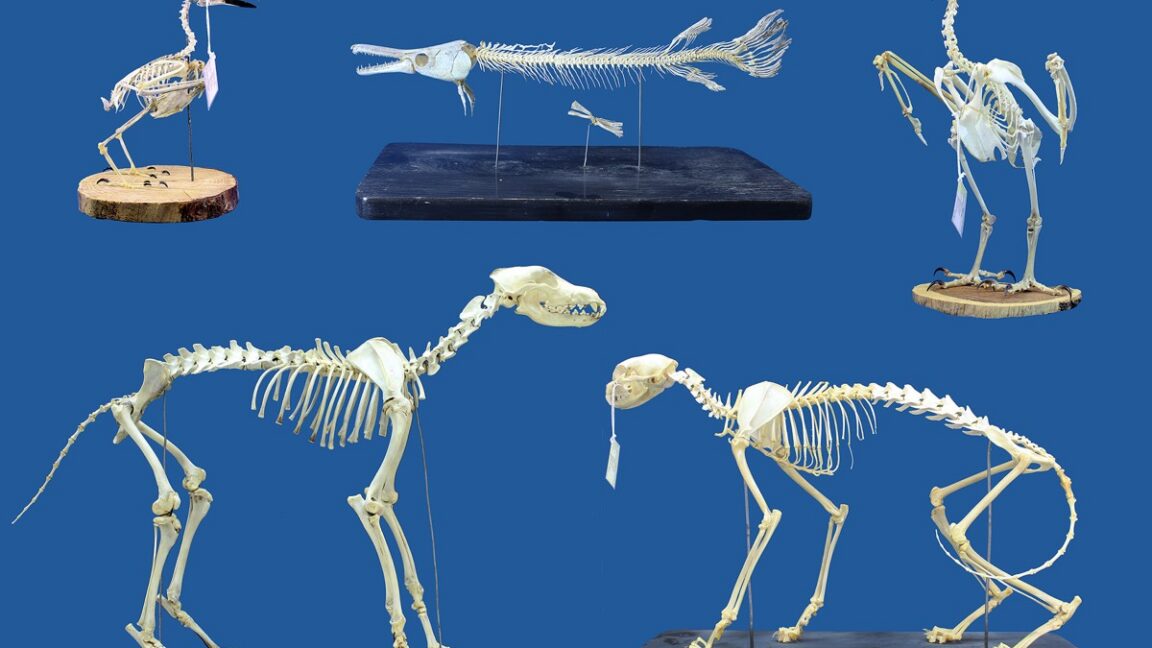
To find out, Rastekar et al. collected several donated specimens of various sizes and species and cleaned them using commercially available superworms: an Egyptian rosette, a house mouse, a little bittern, an alligator gar, a Eurasian eagle-owl, a rook, a wild cat, and a gray wolf. They also performed a parallel experiment for comparison, cleaning the skeleton of a marbled polecat using a conventional boiling method to remove the flesh.