dailynewsnblog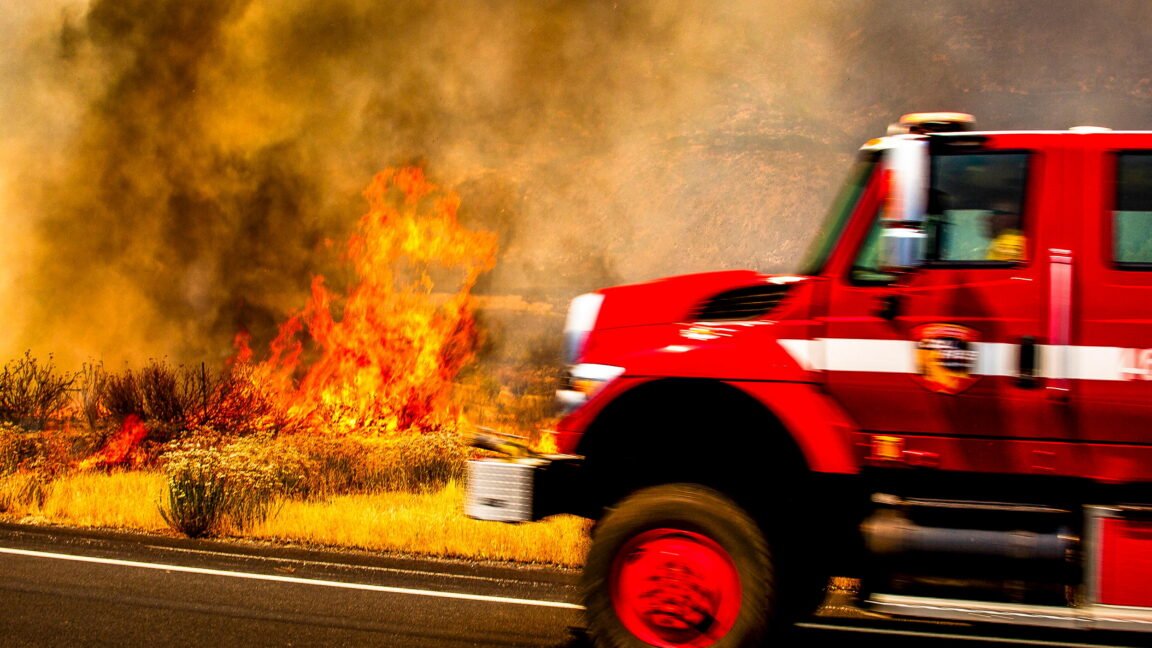
Aplet, with The Wilderness Society, characterized the push to rescind the rule not as a genuine attempt to mitigate fire risk, but part of the larger administration crusade to roll back environmental regulations.
The legal test
The Administrative Procedure Act requires that when an agency rescinds a rule, it must be able to demonstrate a rational connection between the evidence and the eventual decision, and cannot be “arbitrary and capricious.” Essentially, the administration must be able to logically and scientifically defend its argument in the environmental impact statement due this month, and a court will rule on whether it meets that standard.
“They cannot offer as an explanation a decision that just runs counter to the evidence before it,” says Gendzier.
Under the National Environmental Policy Act, the agency must fully analyze the environmental consequences of rescinding the rule, consider a full range of alternatives to the rescission, and meaningfully grapple with the science, including the Aplet study.
“They’ve been pretty cavalier in their public statements so far about the fire-based reasons,” Caputo said. “Much of what they’re saying is seemingly contrary to the science, and those are all things they’re going to have to deal with.”
While the administration’s motive in lifting the rule won’t determine the legal outcome, and proving it is using the nation’s wildfire crisis as a pretext to increase logging would be difficult, Caputo said failure to engage with the body of evidence indicating that roads increase fire ignition risk will be actionable and will likely result in legal challenges.
The Wildland Fire Mitigation and Management Commission, a congressionally chartered, bipartisan body with 50 members from across industry, science, and fire management, spent years producing a comprehensive look at wildfire policy. That resulted in 167 official recommendations in 2023 across every dimension of the problem, including risk reduction, fire suppression, post-fire recovery, workforce, and technology.
According to Tyson Bertone-Riggs, co-founder of the Alliance for Wildfire Resilience and a staff co-lead of the commission, the Roadless Rule didn’t feature in any recommendations or significant discussion.
“I think there is a risk in wanting to use fire as a piece of an argument,” he said. “Roadless certainly deserves a conversation, but it’s probably a separate conversation.”
This story originally appeared on Inside Climate News.