dailynewsnblog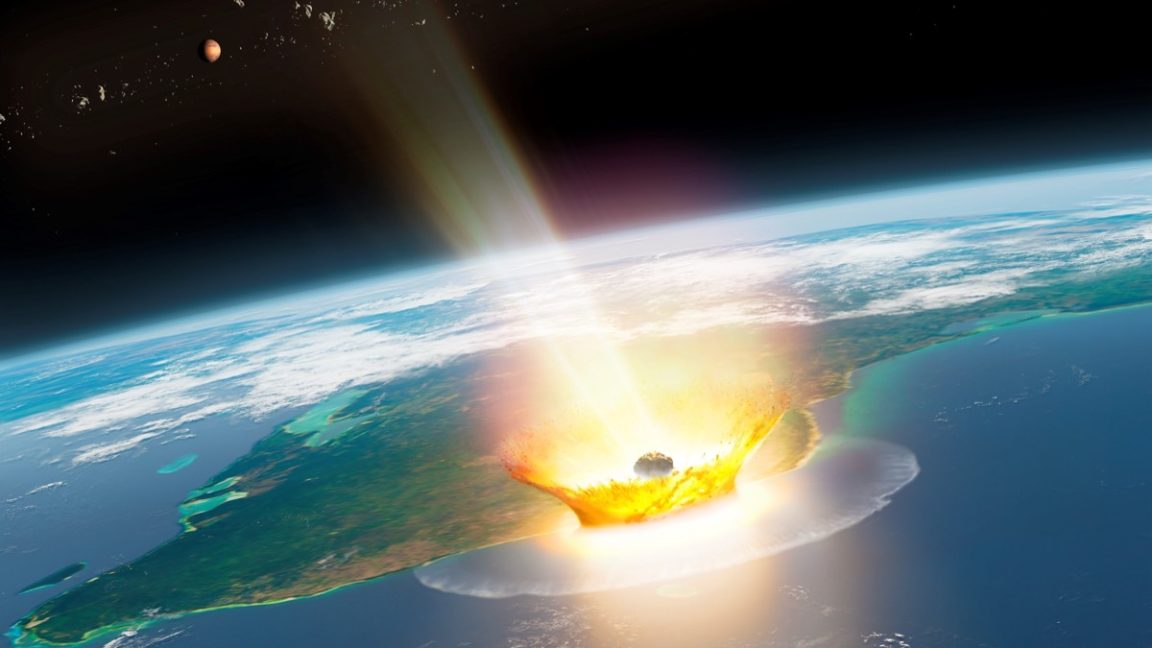
This, in turn, had a devastating effect on the global climate, leading to mass extinction. In 2022, scientists suggested that one reason so many species perished while others survived may have been because the impact occurred in the spring (at least in the Northern Hemisphere), thereby interrupting the annual reproductive cycles of many species.
This latest paper combines previous simulations of the impact with geologic observations. After the initial impact, tiny droplets of rock called spherules formed when some of the rocky vapor cooled and condensed. These spherules would have generated an intense pulse of heat as they fell through Earth’s atmosphere to the surface—equivalent to an oven broiler. But scientists have long assumed that the pulse would not have been hot enough to cause wildfires or roast the Cretaceous creatures to death.
Dust to dust

Credit:
Purdue University/Kelsey Lefever
Credit:
Purdue University/Kelsey Lefever
However, co-author Brandon Johnson, a planetary scientist at Purdue University, was intrigued when new evidence emerged in 2023: a layer of extremely fine post-impact dust. He thought it was possible that this dust could have formed from leftover rock vapor that didn’t condense into spherules. Add in the effects of that dust in the atmosphere, and “we’re in the realm where we might be essentially killing off everything within that first hour to two,” said Johnson.
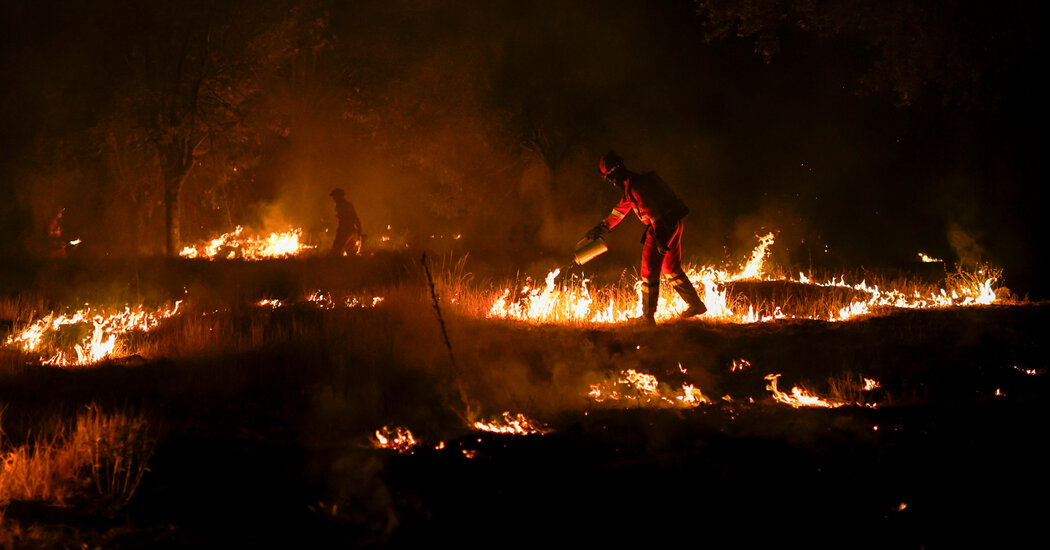
Once the authors accounted for the fine dust in their models, they found that the dinosaurs and other organisms would have been blasted with 17 times the lethal dose of radiation for humans, which most likely would have been fatal, burning the skin of even thick-skinned dinosaurs and causing heat stroke. While the radiation heat might not have been quite sufficient to directly ignite wood, the authors concluded that it would have more than enough to set fire to grass, lichen, and pine needles, indirectly setting off wildfires.