dailynewsnblog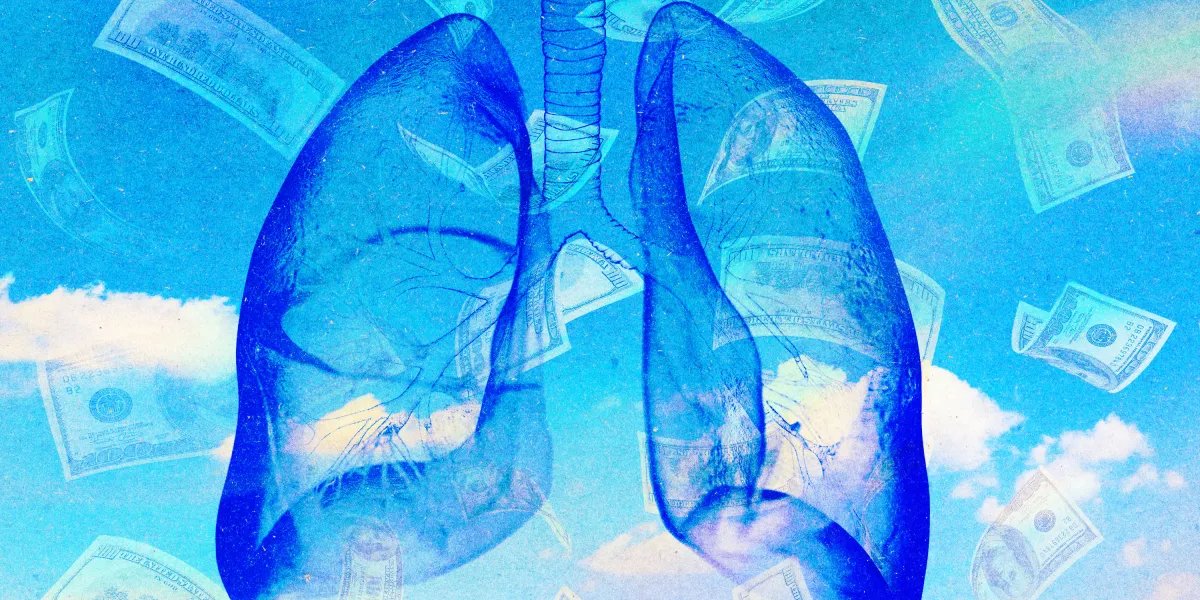
The project takes inspiration from efforts to fight the covid-19 virus, where Veesler’s group was among those involved in the speedy development of vaccines, anti-viral drugs, and antibodies.
According to Ransohoff, Intercept’s advisers will include Peter Marks, a former top FDA official, as well as Moncef Slaoui, the pharmaceutical executive who led the US coronavirus vaccine effort, Operation Warp Speed.
A key challenge for Intercept will be coming up with ways to counter many—even all—viruses at one time. That accounts for the group’s interest in air-cleaning technology, such as using strong ultraviolet light to inactivate viruses. The idea, the group says, is to remove viruses from the air in the same way municipalities remove impurities from the water supply before it’s piped to people’s homes.
The US funds about $6.5 billion a year in virus research through the National Institute of Allergy and Infectious Disease, or NIAID. But that agency’s budget hasn’t grown in recent years, leaving more room for private philanthropy.
And Stripe’s Collison brothers have become some of the most reliable philanthropists in viral research. After giving away “fast grants” to help labs during the covid-19 pandemic, they later joined other donors who committed $650 million to establish the Arc Institute, in Palo Alto, which has developed AI models for biological research.
“The diversity of viruses is just too large and seems daunting, so people don’t even try,” says Veesler. “I’m happy that someone is ready to help scientists, not accepting the status quo, and doing something different.”